Medical gas systems are a lifeline in any healthcare facility, from hospitals and surgery centers to dental offices. Ensuring these systems are installed correctly and deliver the specified gas without contaminants is not just a best practice; it's a strict requirement mandated by law and enforced by bodies like the Florida Agency for Health Care Administration (AHCA) and The Joint Commission (TJC). This process, known as medical gas certification or verification, is a critical step for patient safety. This guide provides a definitive overview of the medical gas certification process in Palm Bay, FL, outlines the governing standards, and explains what to look for in a qualified testing partner to ensure your facility is compliant and safe.
Medical Gas Service
Compliance & Standards
Medical Gas Certification in Palm Bay, FL: Your Guide to ASSE 6030 Compliance
Medical Testing SolutionsJune 23, 20267 min read
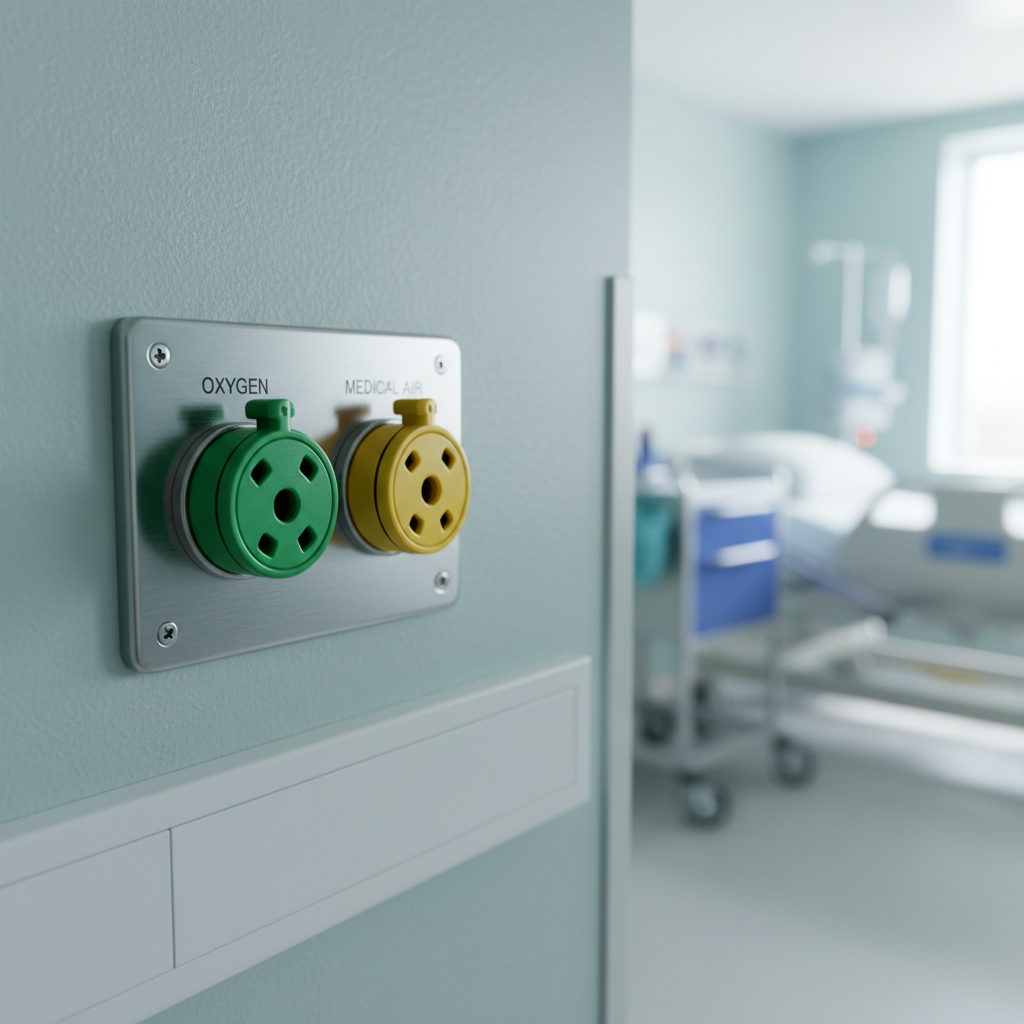
What is Medical Gas Certification? A Matter of Patient Safety
Medical gas certification is the final, exhaustive testing of a new, renovated, or modified medical gas and vacuum system. This is not a simple inspection but a third-party verification performed by a credentialed professional to confirm that the system is safe for patient use. The goal is to ensure that the gas flowing from an outlet labeled "Oxygen" is, in fact, pure medical-grade oxygen, and that all system components, from alarms to valves, function exactly as designed.
This verification must be performed by an individual holding an ASSE 6030 Medical Gas Verifier certification. The process involves a series of detailed tests outlined in the National Fire Protection Association (NFPA) 99, Health Care Facilities Code. Upon successful completion, the verifier provides a comprehensive report that serves as the official record for the facility and the documentation required by regulatory authorities like AHCA.
The Core Standards: NFPA 99, ASSE 6000, and Florida AHCA
Navigating the web of codes and standards can be complex. For facilities in Palm Bay, three pillars of regulation are paramount: NFPA 99, the ASSE 6000 Series, and the specific requirements of Florida's AHCA.
NFPA 99 Health Care Facilities Code
NFPA 99 is the foundational document for medical gas systems in the United States. It establishes the minimum criteria for the design, installation, inspection, testing, and maintenance of these critical systems. Chapter 5, "Gas and Vacuum Systems," is the heart of the code for this work. It details everything from pipeline sizing and materials to the specific testing procedures required for certification.
Why this matters for compliance: NFPA 99 is not a suggestion; it is the code of law in most jurisdictions, including Florida. Failure to adhere strictly to its requirements can result in costly project delays, failed AHCA inspections, and, most importantly, unacceptable risks to patient safety.
ASSE 6000 Series Standards
The American Society of Sanitary Engineering (ASSE) 6000 Series provides the personnel qualifications for everyone who works on a medical gas system. It ensures that individuals have the requisite knowledge and experience. Key credentials include:
- ASSE 6010: Medical Gas Systems Installers
- ASSE 6020: Medical Gas Systems Inspectors
- ASSE 6030: Medical Gas Systems Verifiers
- ASSE 6040: Medical Gas Systems Maintenance Personnel
For certification, the ASSE 6030 credential is non-negotiable. It ensures the individual performing the final testing is a qualified, independent third party who can validate the work of the installer.
The Role of AHCA and The Joint Commission (TJC)
In Florida, the AHCA is the primary state-level authority overseeing healthcare facility regulation. AHCA conducts surveys and reviews documentation to ensure facilities meet state and federal standards, including NFPA 99. TJC is a national organization that accredits healthcare organizations. Both bodies require auditable proof of medical gas certification from an ASSE 6030 verifier before a new or modified system can be brought online.
The ASSE 6030 Verification Process: A Step-by-Step Breakdown
The certification process is methodical and precise. An ASSE 6030 verifier will follow a strict protocol, which includes the following critical steps:
- Initial System Verification: Before introducing gas, the verifier ensures the piping is correctly installed per the design documents. This includes checking for proper labeling, valve placement, and support. A crucial part of this relies on the initial work done by certified installers; learn more about our medical gas installation services.
- Standing Pressure Test: The system is pressurized with oil-free nitrogen to check for leaks. The pressure must hold steady for a specified period (typically 24 hours) to pass.
- Piping Purge Test: High-volume nitrogen is flushed through the pipelines to remove any debris or contaminants left over from the installation process.
- Particulate Testing: The verifier tests the gas flow at each outlet to ensure it is free of particulate matter, which could be harmful if inhaled.
- Purity Testing: Each gas system is tested to confirm gas identity and concentration, ensuring no cross-connections have occurred and that the gas meets USP (United States Pharmacopeia) medical standards. This includes testing for contaminants like moisture and hydrocarbons.
- System Function Tests: The verifier tests every component, including master and area alarms, shut-off valves, and outlet/inlet functionality and pressure.
- Final Documentation: Once all tests are passed, the verifier provides a comprehensive, multi-page report detailing the results of every test for every outlet. This report is the official certification document for the facility and AHCA.
Which Medical Gas Systems Require Certification?
Any system that delivers medical gases or supports a medical vacuum needs to be certified after installation or modification. This includes:
- Oxygen (O2)
- Medical Air
- Nitrous Oxide (N2O)
- Carbon Dioxide (CO2)
- Nitrogen (N2) for powering surgical tools
- Medical Vacuum
- Waste Anesthetic Gas Disposal (WAGD or EVAC) systems, which are critical for staff safety. Proper monitoring of these systems is also essential, and you can learn more about our WAG chemical vapor monitoring services.
Choosing Your Medical Gas Certification Partner in Palm Bay
Selecting the right verifier is crucial for a smooth, successful certification. You are entrusting patient safety to their expertise. As a leading provider of medical gas services, Medical Testing Solutions recommends you evaluate potential partners on the following criteria.
Credentials, Experience, and Reporting
Your verifier must be more than just a technician; they are your compliance partner. When evaluating providers, a clear set of questions can help you make an informed decision.
| Feature | Question to Ask | Why It Matters |
|---|---|---|
| Credentials | Are your technicians ASSE 6030 certified? May I see their current credentials? | Ensures testing is performed to nationally recognized standards and the verifier is up-to-date. |
| Reporting | Can I see a sample report? Is it AHCA/TJC compliant? | The report is the final proof of compliance. It must be detailed, accurate, and formatted for regulators. |
| Equipment | What type of testing equipment do you use? Is it calibrated and certified? | Accurate, calibrated equipment is essential for valid test results. Using improper equipment can void the test. |
| Experience | How many projects have you completed in Palm Bay and Brevard County? | Local experience means familiarity with local inspectors, construction environments, and AHCA expectations. |
Beyond the Initial Test: Ongoing Medical Gas Compliance
Certification of a new system is just the beginning. NFPA 99 also mandates a schedule of ongoing care to ensure the system remains safe and reliable throughout its lifecycle. This is where a long-term relationship with a qualified service provider like Medical Testing Solutions becomes invaluable.
Your facility should have a robust program that includes annual medical gas inspections to check for leaks, pressure issues, and alarm function. Furthermore, a preventative medical gas maintenance services program can identify and correct potential problems before they lead to costly downtime or safety incidents. Our team of ASSE-certified technicians provides both of these essential services to facilities across Florida.
Your Partner for Compliance in Palm Bay, FL
Ensuring your medical gas systems are safe and compliant is a foundational responsibility for any healthcare provider. The process is exacting, but it exists for one reason: to protect patients. From initial installation to final ASSE 6030 verification and ongoing maintenance, every step must be handled with expertise and precision.
Medical Testing Solutions is your trusted partner for ensuring patient safety and regulatory compliance in Palm Bay and throughout Florida. Our ASSE-certified team has the experience and equipment to handle all aspects of medical gas service. For a detailed, no-obligation quote for your medical gas certification needs, contact our experts today. Call us at +1 (754) 315-1078 or request a quote online to ensure your facility is safe, compliant, and ready for patient care. You can also learn more about our comprehensive medical gas certification services on our website. '''
Frequently Asked Questions
The duration depends on the size and complexity of the system. A small dental office might take a day, while a new hospital wing could take several days. We provide a time estimate with our quote.
An ASSE 6010 certification is for installers who build the medical gas piping systems. An ASSE 6030 certification is for verifiers, third-party specialists who test and certify that the new or modified system is safe and compliant before it's used for patient care.
Yes. Certification is required for any new installation or modification to an existing system. Furthermore, regular inspections and maintenance, as outlined in NFPA 99, are required to ensure ongoing safety and compliance.
If a system fails, our ASSE 6030 verifier will provide a detailed report identifying the specific issues. The installer of record (often an ASSE 6010 certified professional) must make the necessary repairs, and then the system must be re-tested until it passes.
Request a quote for your facility
Talk with Medical Testing Solutions about your next inspection, repair or equipment request.