Line Isolation Monitor Inspection in Miami, FL: A Guide for Hospitals
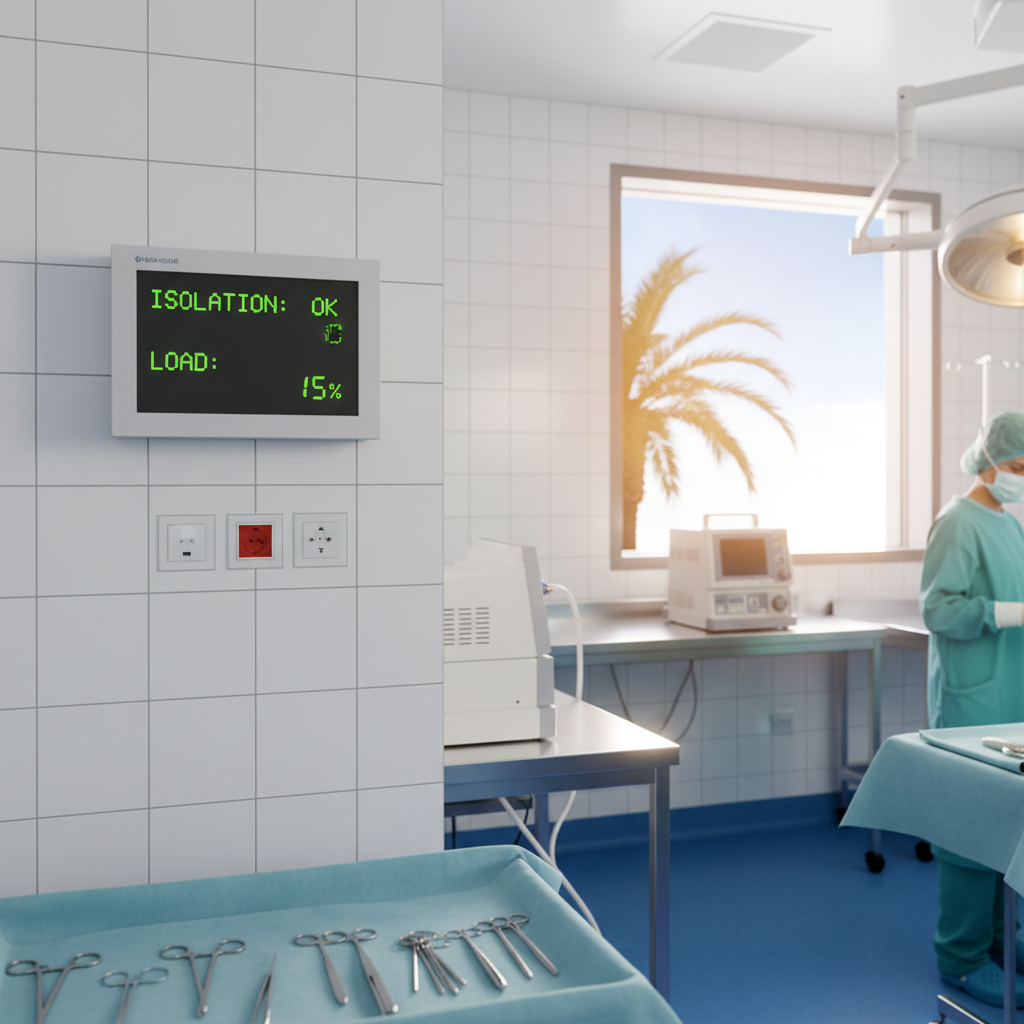
Line Isolation Monitors (LIMs) are critical safety devices in your hospital's operating rooms and other "wet procedure locations." They are the silent sentinels that constantly monitor the integrity of isolated power systems, protecting patients and staff from electric shock hazards. But these devices are not "set it and forget it." The National Fire Protection Association (NFPA) mandates annual testing to ensure they are functioning correctly. For healthcare facilities in Miami, this means finding a qualified, certified partner who understands the unique regulatory landscape of Florida.
This guide provides a definitive overview of line isolation monitor inspection for Miami hospitals. You will learn the specific NFPA 99 requirements, why choosing a local Florida-based inspection provider is a major cost and logistical advantage, and how the process works from start to finish. We will cover everything from AHCA reporting to post-hurricane re-verification, ensuring your facility remains safe, compliant, and always ready for patient care.
What is a Line Isolation Monitor (LIM)?
A Line Isolation Monitor is a device that continuously measures the electrical isolation between an isolated power system and ground. In simple terms, it's looking for potential electrical "leaks." These isolated power systems are required by NFPA 99, Chapter 6, in all "wet procedure locations" such as operating rooms, cardiac catheterization labs, and intensive care units (ICUs). Should the system become compromised, the LIM provides audible and visual alarms to alert staff long before a dangerous condition can develop. This early warning is critical for preventing macroshock or microshock, which can be fatal for electrically susceptible patients.
Why Isolated Power Systems are Critical
In a standard electrical system, a ground fault would trip a circuit breaker, cutting power to the connected equipment. In the middle of a delicate surgery, this loss of power to critical life-support equipment could be disastrous. Isolated power systems, monitored by a LIM, are designed not to trip on a single fault. Instead, the LIM alarms, allowing the procedure to continue safely while alerting staff to have the faulty equipment addressed as soon as possible.
NFPA 99 Requirements for Line Isolation Monitor Inspection
The core standard governing medical gas and electrical systems in healthcare is NFPA 99, Health Care Facilities Code. It explicitly details the requirements for LIM testing.
According to NFPA 99-2021, Section 6.3.4.1.4, each line isolation monitor circuit shall be tested at least annually by a qualified person. This testing must verify that the LIM alarms at the specified trip points for both resistive and capacitive faults.
Why this matters for compliance: The Joint Commission (TJC) and other accrediting organizations survey to the NFPA 99 standards. Failure to provide documentation of annual LIM inspection by a qualified professional can result in a finding during an audit, potentially jeopardizing your facility's accreditation.
Key requirements include:
- Annual Testing: Inspections must be performed at intervals of not more than 12 months.
- Documented Records: A written record of the tests must be maintained and available for inspection by authorities like TJC and the Florida Agency for Health Care Administration (AHCA).
- Qualified Personnel: The code requires testing to be performed by individuals who are qualified to work on these critical systems. This is typically interpreted as an ASSE 6030 Certified Medical Gas Systems Verifier.
The Florida Advantage: Why Miami Hospitals Choose Local for LIM Testing
While many companies offer LIM testing nationwide, Florida hospitals have specific, compelling reasons to partner with a local, state-headquartered provider. Medical Testing Solutions (MTS) is headquartered at 501 East Las Olas Blvd, Ste 300, Fort Lauderdale, FL 33301, giving us an unmatched ability to serve the South Florida region, from Miami to West Palm Beach.
Significant Cost Savings
The most significant advantage is cost. Out-of-state verification companies must pass on substantial travel expenses to their clients. With MTS, these costs disappear.
- NO Travel Fees
- NO Lodging Costs
- NO Per-Diem Charges
For hospitals anywhere in Florida, this translates into savings of 10–25% on average compared to using an out-of-state firm for your annual medical gas inspections.
Understanding Florida's Regulatory Environment
Our Florida-based, ASSE-certified technicians work daily with the state's specific compliance requirements. Verification reports must be structured to satisfy the Florida Agency for Health Care Administration (AHCA), specifically referencing compliance with AHCA OPS Form 3110 and Chapter 59A of the Florida Administrative Code. We ensure your documentation is precisely what AHCA inspectors need to see.
Rapid, Post-Hurricane Response
As outlined in NFPA 99, Section 5.1.12, a facility's medical gas and vacuum systems must be re-verified if the system is breached or if source pressure is lost. This is a common occurrence after a hurricane. Our South Florida crews can mobilize immediately after a storm passes to perform necessary re-verification, including line isolation monitor checks, to get your facility back online faster. Hospitals like Jackson Memorial and Baptist Health understand the importance of having local partners who can respond at a moment's notice.
For facilities throughout the state, our presence on the ground means faster, more reliable service. Explore our services in key areas:
The Line Isolation Monitor Inspection Process
An ASSE 6030 Certified Verifier will follow a systematic process to test each LIM. While the specific equipment used may vary, the core steps are standardized.
- Visual Inspection: The technician first inspects the LIM unit for any physical damage, ensuring all indicators and displays are functioning.
- Alarm Setpoint Test: The verifier connects specialized test equipment to the isolated power circuit. They simulate a fault condition, gradually increasing the fault current until the LIM's audible and visual alarms activate. This test confirms the monitor alarms at the correct NFPA-mandated threshold (typically 5 mA).
- Meter Accuracy Test: The technician will verify the accuracy of the LIM's meter against the calibrated test equipment.
- Documentation: All findings, including alarm setpoints, meter readings, and pass/fail status for each location, are meticulously recorded. This documentation forms the official report for your compliance records.
Choosing Your ASSE 6030 Certified Partner in Miami
When selecting a company for your line isolation monitor testing, certification is non-negotiable. An ASSE 6030 Certified Verifier has undergone rigorous training and examination on all aspects of medical gas and vacuum systems, including the isolated power systems that LIMs monitor.
Medical Testing Solutions provides a team of credentialed professionals who specialize in NFPA 99 compliance. We do more than just test; we partner with your facility management team to ensure a deep understanding of your systems. We offer comprehensive medical gas verification and maintenance services to keep your entire infrastructure safe and compliant.Cost Comparison: MTS vs. Out-of-State Providers
| Cost Factor | Medical Testing Solutions (MTS) | Out-of-State Competitor |
|---|---|---|
| Technician Rate | Competitive Market Rate | Competitive Market Rate |
| Travel Fees | $0 (for all of FL) | $500 - $1,000+ |
| Lodging/Per-Diem | $0 (for all of FL) | $300 - $600+ per day |
| Total Savings | 10–25% Lower Overall Cost | Higher Cost |
FAQs about Line Isolation Monitor Inspection
Q: How often do Line Isolation Monitors need to be inspected?A: According to NFPA 99, Chapter 6, LIMs must be tested at least every 12 months. This is a mandatory annual requirement for hospitals.
Q: Who is qualified to perform LIM testing?A: NFPA 99 states that a "qualified person" must perform the testing. In practice, this means an ASSE 6030 Certified Medical Gas Systems Verifier, who has demonstrated expertise in these systems.
Q: What happens if a LIM fails inspection?A: If a LIM fails, it must be repaired or replaced immediately. The failed device creates a significant patient safety risk and puts the facility out of compliance with NFPA 99.
Q: Do we need to shut down the operating room for the inspection?A: No. Testing is typically coordinated with your OR manager and can be scheduled during off-peak hours or downtime to avoid disrupting patient care.
Q: What documentation do we receive after the inspection?A: You will receive a detailed report for each LIM tested, including the location, serial number, test results, alarm activation levels, and pass/fail status. This report is your proof of compliance for TJC and AHCA audits.
Your Partner for Compliance in Miami and Across Florida
Don't leave the safety of your patients and the compliance of your facility to chance. Partner with a local expert who understands Florida's unique requirements and offers an unbeatable cost advantage.
Medical Testing Solutions is your trusted partner for line isolation monitor inspection and all other medical gas services. Our ASSE-certified technicians are ready for same-day dispatch in South Florida.
Ready to ensure your facility is compliant? Call our Fort Lauderdale office at +1 (754) 315-1078 or request a quote online today.'''
This article is provided for educational purposes and reflects industry standards as of publication. Always verify against current NFPA 99, CGA, and AHJ requirements. Medical Testing Solutions is ASSE-certified and ready to help — contact us for facility-specific guidance.
Need Medical Gas Services?
Contact our certified team for inspections, verifications, installations, and more.
Get a Free Quote