Skip to content
    New: Medical Gas Outlet Retrofit & Rebuild Matrix — cross-reference legacy Chemetron, Ohio Diamond, Puritan-Bennett & more →
    ASSE Certified 24/7
    Medical Gas Service
    Medical Gas Products

    Hospital Oxygen System Installation in Charleston SC: A Guide

    Medical Testing SolutionsOctober 7, 20266 min read
    Share
    Hospital Oxygen System Installation in Charleston SC: A Guide

    Hospital Oxygen System Installation in Charleston SC: A Comprehensive Guide

    Installing a hospital oxygen system is one of the most critical infrastructure projects a healthcare facility can undertake. The safety of patients and staff depends on a flawless installation that adheres to stringent national codes and standards. From the bulk oxygen storage tank to the patient room outlet, every component must be installed with precision and verified for purity, pressure, and flow. This guide will walk you through the essential phases of a hospital oxygen system installation in Charleston, SC, explaining the roles of NFPA 99, ASSE 6010 certified installers, and ASSE 6030 certified verifiers.

    Understanding the Core Components of a Hospital Oxygen System

    A hospital's medical oxygen system is a complex network. While patients may only see the wall-mounted outlet, a robust and redundant system works behind the walls to deliver this life-sustaining gas. Key components include:

    • Source Equipment: This is typically a large, outdoor cryogenic bulk tank holding liquid oxygen (a primary source) and a smaller, high-pressure cylinder manifold as a secondary or reserve source.
    • Main Supply Line: A large-diameter copper pipe that transports oxygen from the source into the building.
    • Risers and Branch Lines: Smaller pipes that branch off the main line to serve different floors and departments.
    • Zone Valves: Ball valves housed in wall-mounted boxes that allow maintenance staff to shut off oxygen to specific zones or areas of the hospital without disrupting the entire facility.
    • Alarm Panels: Master, area, and local alarms that monitor pressure and flow, alerting staff to any deviations from the norm as required by NFPA 99.
    • Station Outlets: The final delivery point in patient rooms and operating suites, equipped with gas-specific DISS or quick-connect fittings.

    The Installation Process: From Design to Verification

    A compliant installation is a multi-phase process managed by certified professionals. Here’s what facilities in Charleston, SC, can expect.

    Phase 1: Planning and Design

    Before a single pipe is installed, a detailed plan is developed. This involves calculating the hospital's peak oxygen demand, sizing pipes appropriately to maintain pressure across the facility, and selecting the right source equipment. The design must be reviewed and approved by a qualified engineer, ensuring it meets all applicable codes, including NFPA 99, Health Care Facilities Code.

    Phase 2: Brazing and Assembly with an ASSE 6010 Certified Installer

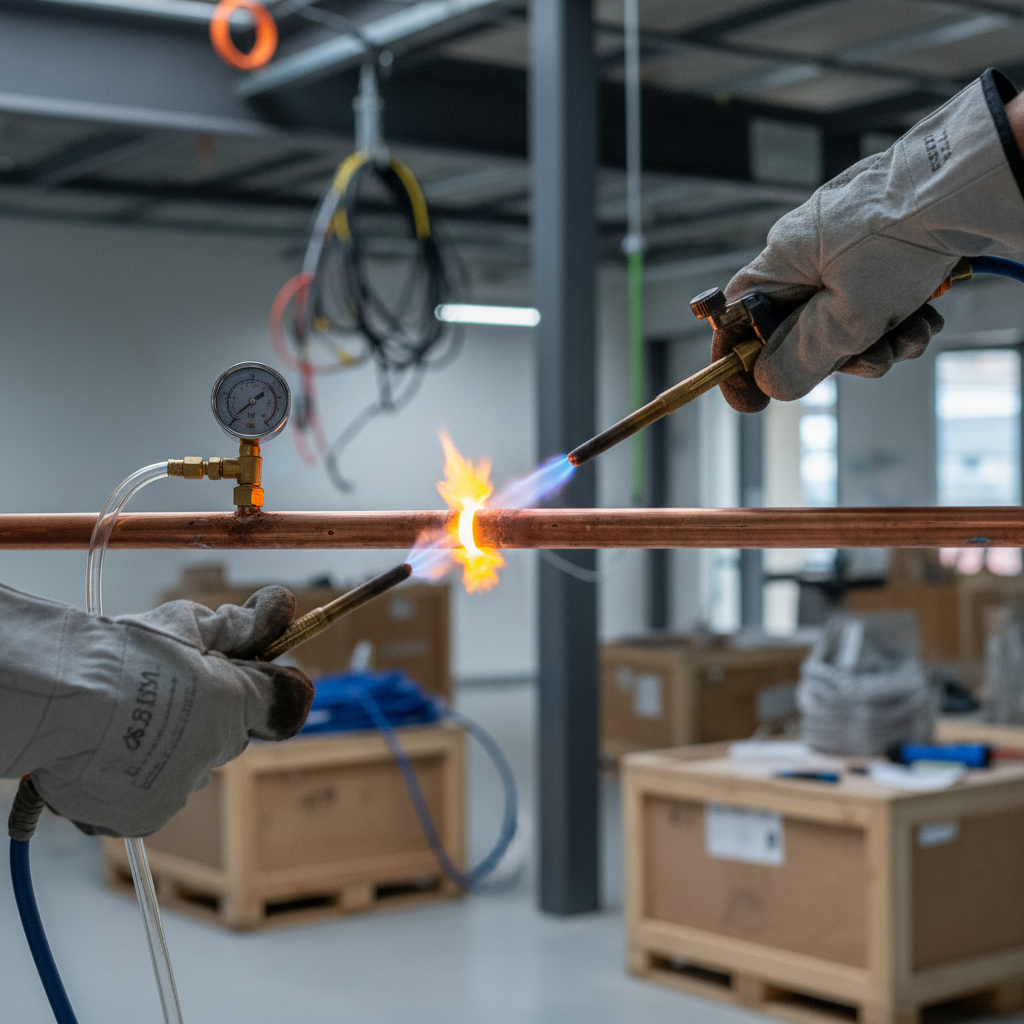
    This is the core of the installation. All copper piping used for medical gas must be cleaned for oxygen service (Type K or L). The crucial part of this phase is the joining of these pipes through brazing. This isn't regular plumbing; it requires a specialized technique outlined in NFPA 99.

    • ASSE 6010 Certification: The technician performing the brazing MUST be an ASSE 6010 Medical Gas Systems Installer. This certification validates their ability to braze medical gas piping safely. The process involves heating the copper joint and introducing a filler alloy (typically a copper-phosphorus-silver alloy).
    • Nitrogen Purge: During brazing, a continuous flow of oil-free, dry nitrogen must be passed through the pipe. This "purge" displaces oxygen, preventing the formation of cupric oxide flakes on the interior pipe wall. These black flakes, if dislodged, can contaminate the system, pose a fire risk in an oxygen-rich environment, and damage downstream equipment.

    Why this matters for compliance: NFPA 99 (Chapter 5) mandates that medical gas piping be installed by individuals qualified under the ASSE 6000 series standard. Using uncertified personnel is a direct code violation and can compromise the entire system's integrity and safety.

    Phase 3: Initial Pressure Testing

    Once the piping is assembled, an initial pressure test is performed by the installer. This test uses nitrogen to pressurize the system to 1.5 times the working pressure (or 150 psi, whichever is greater) to check for leaks at the brazed joints. This is a preliminary check before the official third-party verification.

    The Critical Role of ASSE 6030 Verification

    After the installer has completed their work and preliminary tests, the system cannot be used. It must first be independently inspected and verified by an ASSE 6030 Medical Gas Verifier. This third-party verification is a non-negotiable requirement of NFPA 99 and the final step before the system can be turned over to the hospital.

    At Medical Testing Solutions, our ASSE 6030 certified verifiers provide this crucial service. The verification process is exhaustive and includes:

    • Piping Purge Test: The verifier ensures all nitrogen from pressure testing is purged from the system.
    • Standing Pressure Test: A 24-hour standing pressure test confirms the system is leak-free.
    • Gas Concentration Test: We test every outlet to ensure the gas being delivered is indeed oxygen and meets the purity requirements of the USP.
    • Particulate Test: A test to confirm no particulate matter is present in the gas stream.
    • Alarm and Valve Testing: Every alarm panel and zone valve is tested to ensure it functions as designed.
    • Source Equipment Verification: We inspect the bulk tank, manifold, and all source equipment to ensure they are installed correctly and function properly.

    Only after every test is passed and documented can the verifier provide the written certification that allows the hospital to use the new oxygen system. This is the ultimate guarantee of a safe and compliant medical gas installation.

    NFPA 99 vs. ASSE 6000: A Comparison

    It's common to hear these standards mentioned together. Here's how they relate:

    StandardPurposeWho It's ForKey Focus
    NFPA 99The foundational code for health care facilities.Facility managers, engineers, authorities having jurisdiction (AHJs)Establishes the requirements for safety in a healthcare environment, including medical gas systems (what to do).
    ASSE 6000 SeriesA series of personnel standards for medical gas professionals.Technicians, installers, verifiers, instructors.Establishes the qualifications for the people who work on the systems (who can do it and how).

    Medical Testing Solutions employs a team of ASSE-certified professionals to ensure every installation and verification project we manage in Charleston, SC, and beyond meets the highest standards of safety and compliance.

    Partner with the Experts for Your Charleston, SC Installation

    Installing a hospital oxygen system is a high-stakes project that leaves no room for error. From ASSE 6010 brazing to final ASSE 6030 verification, every step must be executed flawlessly to meet NFPA 99 standards and ensure patient safety.

    Don't leave your facility's compliance and your patients' well-being to chance. Partner with the certified experts at Medical Testing Solutions. Contact us today for a comprehensive quote for your hospital oxygen system installation in Charleston, SC. Call us at (754) 315-1078 or request a quote online.


    Frequently Asked Questions

    Timelines vary based on the project's scale—a single department renovation versus a new hospital wing—but typically range from several weeks to months. The verification phase alone can take several days.

    An ASSE 6010 Installer is certified to physically assemble and braze the medical gas piping system. An ASSE 6030 Verifier is a certified, independent third party who inspects and tests the completed system to ensure it is safe and compliant before it is put into service.

    When copper is heated, it reacts with oxygen to form a black, flaky residue (cupric oxide). A continuous nitrogen purge inside the pipe displaces the oxygen, preventing this oxidation. This is critical for preventing contamination and fire hazards.

    Only if they hold a current ASSE 6010 Medical Gas Installer certification. NFPA 99 explicitly requires this qualification for anyone brazing medical gas lines.

    The verifier will issue a report detailing the deficiencies. The original installer must then correct the issues (e.g., repair leaks, re-braze joints), and the system must be re-verified. The system cannot be used until it passes verification.

    Yes, beyond installation and verification, Medical Testing Solutions provides comprehensive annual medical gas inspections and preventative maintenance services to ensure your system remains compliant and reliable for years to come.

    This article is provided for educational purposes and reflects industry standards as of publication. Always verify against current NFPA 99, CGA, and AHJ requirements. Medical Testing Solutions is ASSE-certified and ready to help — contact us for facility-specific guidance.

    Request a quote for your facility

    Talk with Medical Testing Solutions about your next inspection, repair or equipment request.

    Get a quote in 1 business day

    I agree to receive text messages from Medical Testing Solutions, L.L.C. at the phone number provided, including informational and marketing messages. Consent is not a condition of purchase. Message frequency varies. Message & data rates may apply. Reply STOP to opt out or HELP for help. See our Privacy Policy and Messaging Terms.

    Prefer to talk? Call (754) 315-1078

    Related articles