Skip to content
    New: Medical Gas Outlet Retrofit & Rebuild Matrix — cross-reference legacy Chemetron, Ohio Diamond, Puritan-Bennett & more →
    ASSE Certified 24/7
    Medical Gas Service
    Compliance & Standards

    Hospital Nitrogen System Testing in Weston FL: A Guide

    Medical Testing SolutionsOctober 12, 20267 min read
    Share
    Hospital Nitrogen System Testing in Weston FL: A Guide

    Hospital Nitrogen System Testing in Weston, FL: A Complete Guide

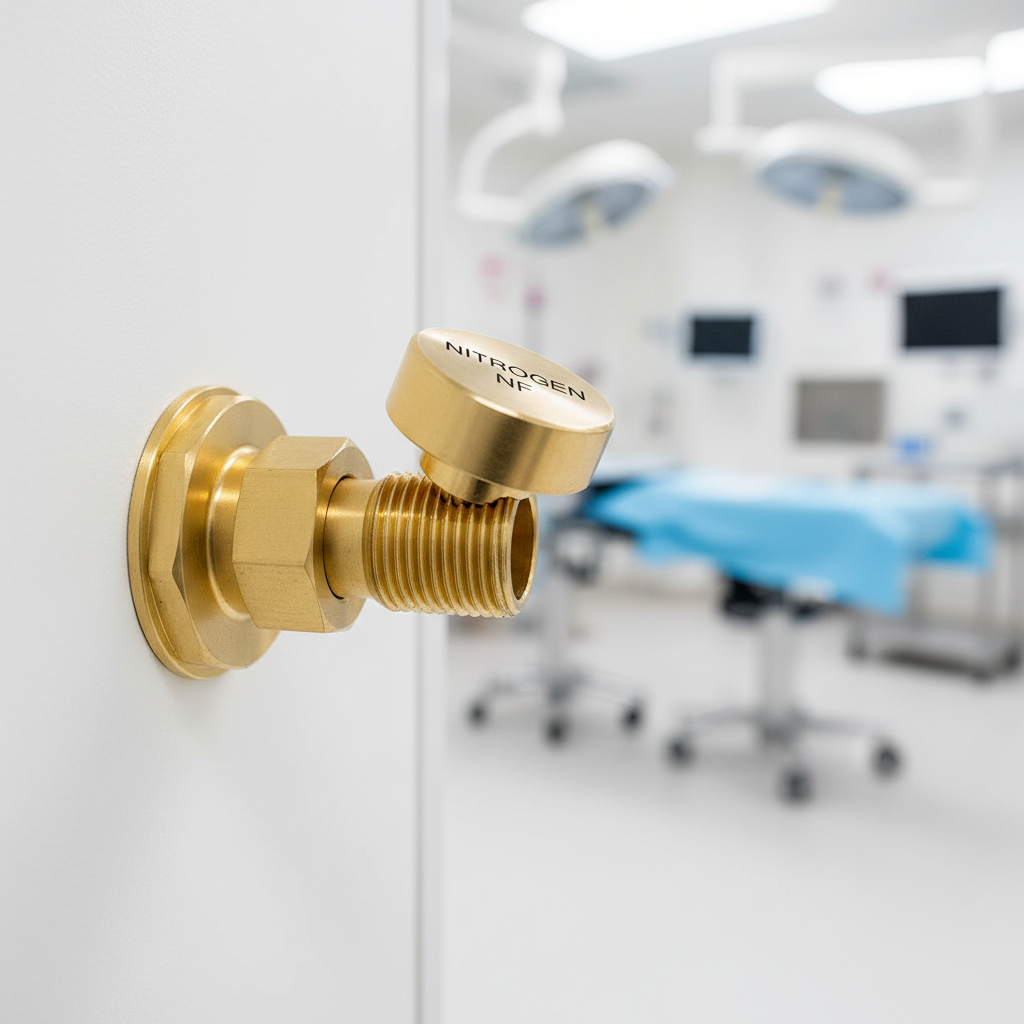
    Surgical nitrogen (NF) is a critical utility in modern operating rooms, powering a range of pneumatic surgical instruments like saws, drills, and reamers. Ensuring this system is functioning correctly, delivering pure nitrogen, and free of contaminants is not just a matter of performance, it’s a fundamental requirement for patient safety and regulatory compliance. Facilities in Weston, Florida, must adhere to strict testing protocols to verify the integrity of their medical gas pipeline systems. This guide explains the critical importance of hospital nitrogen system testing, details the specific procedures involved as mandated by NFPA 99 and ASSE 6000 standards, and outlines what facility managers need to know to ensure their systems are safe, reliable, and fully compliant.

    What is Surgical Nitrogen (NF) and Why is System Testing Crucial?

    Nitrogen, in its medical gas form (NF - National Formulary), is an inert, non-flammable, and oil-free gas. Unlike medical air which is used for patient respiration, nitrogen's primary role is to provide a reliable, high-pressure source to power surgical tools. Its pressure is what gives orthopedic surgeons the power needed for bone-cutting and other procedures.

    The criticality of the system demands equally critical testing. A failure in the nitrogen system can have immediate and severe consequences:

    • Contamination: Particulates, moisture, or hydrocarbons in the line can damage expensive surgical tools and, more critically, pose an infection risk if introduced into the surgical site.
    • Pressure Failures: Incorrect or fluctuating pressure can cause surgical tools to malfunction during a procedure, jeopardizing patient outcomes.
    • Cross-Connection: An improper connection could introduce the wrong gas into the nitrogen system, which could be catastrophic.

    Regular, professional testing by an ASSE 6030 certified verifier is the only way to mitigate these risks and confirm the system is fit for patient use.

    NFPA 99 Requirements for Nitrogen System Verification

    The National Fire Protection Association's NFPA 99, Health Care Facilities Code, is the cornerstone of medical gas safety. It outlines the minimum requirements for the installation, inspection, testing, and maintenance of medical gas and vacuum systems. For nitrogen systems, several key testing mandates apply, primarily during the initial installation or when modifications are made.

    An ASSE 6030 Certified Medical Gas Verifier must perform a series of tests to confirm that a new or modified system is ready for patient use. These initial verification tests include:

    • Piping Purity: Verifying the internal surfaces of the piping are clean and free of contaminants.
    • Pressure Testing: Ensuring the system can hold pressure without leaks.
    • Cross-Connection Testing: Confirming that only nitrogen is flowing to the nitrogen-specific outlets.
    • Gas Concentration and Purity: Analyzing the gas to ensure it meets USP-NF standards for nitrogen.

    Why this matters for compliance: NFPA 99 is not a suggestion; it is the law in most jurisdictions, including Florida. Joint Commission and other accrediting organizations survey to these standards. Failure to provide documentation of proper medical gas verification can lead to citations, fines, and mandated system shutdowns until compliance is achieved.

    The ASSE 6030 Verification Process: Step-by-Step

    When you contract a company like Medical Testing Solutions for nitrogen system testing, our ASSE 6030 certified technicians follow a rigorous, standardized process. This ensures every aspect of the system is evaluated before it is placed into service.

    1. Initial System Inspection

    Before any gas is introduced, the verifier visually inspects the installation. They check for correct pipe labeling, proper component installation (valves, alarms, manifolds), and ensure the work was completed according to the design specifications by an ASSE 6010 certified installer.

    2. Standing Pressure Test

    To check for leaks, the system is filled with oil-free, dry nitrogen to a pressure approximately 1.5 times the normal operating pressure. The system is then sealed, and the pressure is monitored for 24 hours. Any drop in pressure indicates a leak that must be located and repaired.

    3. Cross-Connection Testing

    This is one of the most critical safety tests. The verifier pressurizes the nitrogen system while ensuring all other medical gas systems (e.g., oxygen, medical air) are reduced to atmospheric pressure. They then check every outlet in the facility, including those for other gases, to confirm that pressure is present only at the designated nitrogen outlets. This prevents a scenario where, for example, nitrogen could be mistakenly delivered to an oxygen outlet.

    4. Particulate and Purity Testing

    Once the system integrity is confirmed, the final tests focus on the quality of the gas itself:

    • Particulate Test: A filter is placed on an outlet, and a large volume of nitrogen is flowed through it. The filter is then examined under a microscope to ensure no significant particulate contamination is present.
    • Purity & Concentration Test: The technician uses a calibrated analyzer to measure the concentration and purity of the nitrogen. For Nitrogen NF, the purity must be ≥99.0% by volume. Tests will also check for contaminants like moisture (dew point) and hydrocarbons.

    Only after all these tests are passed can the system be certified for patient use.

    Comparing System Types: Manifolds vs. Generators

    Hospitals in Weston can source their nitrogen in two primary ways: high-pressure cylinder manifolds or onsite nitrogen generators. Both have pros and cons, and the testing requirements are similar.

    FeatureHigh-Pressure Cylinder ManifoldNitrogen Generator
    SourceBanks of high-pressure K-cylindersProduces nitrogen from ambient air
    Upfront CostLowerHigher
    Ongoing CostHigh (gas delivery contracts)Low (electricity and maintenance)
    PurityVery high (USP-grade from supplier)High (meets NF standards)
    MaintenanceCylinder change-outs, regulator checksAnnual filter changes, compressor service
    FootprintRequires significant, secure storageSmaller, can be installed in a mechanical room

    Regardless of the source, the pipeline distribution system from the source to the patient-use outlets must undergo the same rigorous ASSE 6030 verification process.

    Annual Inspections and Ongoing Maintenance

    While initial verification is exhaustive, it's not a one-time event. NFPA 99 also calls for ongoing maintenance and periodic inspections to ensure the system remains safe and functional. Medical Testing Solutions provides comprehensive annual medical gas inspections that include checking outlet and inlet pressures, alarm function, and manifold performance.

    Regularly scheduled preventative maintenance is the best way to prevent unexpected failures. This can include:

    • Calibrating pressure gauges.
    • Checking and servicing alarm panels.
    • Function-testing zone valves.
    • Ensuring manifold change-over operates correctly.

    These checks ensure your facility remains compliant and ready for any survey from accrediting bodies.

    Choosing a Certified Testing Partner in Weston, FL

    When selecting a partner for your hospital's nitrogen system testing, credentials are paramount. Ensure the company you choose employs technicians who are currently certified to the ASSE 6000 series standards. Specifically, testing and verification must be performed by an individual holding an ASSE 6030 Medical Gas Verifier certification.

    Medical Testing Solutions is a premier provider of medical gas services in South Florida, headquartered in Fort Lauderdale. Our technicians are ASSE 6030 and 6040 certified and have years of experience testing and verifying systems in hospitals and surgical centers throughout the Weston area. We provide the detailed, unbiased, third-party documentation you need to prove compliance and ensure patient safety.

    Get a Quote for Nitrogen System Testing in Weston

    Ensuring your surgical nitrogen system is compliant, safe, and reliable is a non-negotiable responsibility for any healthcare facility manager. Don't leave patient safety to chance. The ASSE-certified experts at Medical Testing Solutions provide comprehensive, document-driven testing services for hospitals throughout Weston and South Florida.

    Protect your patients, your equipment, and your facility's accreditation. Contact us today for a free, no-obligation quote for your nitrogen system testing and verification needs. Call us at (754) 315-1078 or request a quote online to get started.


    Frequently Asked Questions

    A full ASSE 6030 verification is required for any new installation, or whenever the system is modified or extended. Additionally, all system components, including alarms and pressures, should be checked as part of an annual inspection program per NFPA 99.

    Only an ASSE 6030 Certified Medical Gas Verifier is qualified to perform the full battery of tests required for system verification. General plumbers or mechanical contractors do not hold the specific credentials or possess the calibrated equipment required for this critical task.

    Medical air is a mixture of oxygen and nitrogen (~21% O2, ~78% N2) that is certified for patient respiration. Surgical nitrogen (NF) is nearly 100% pure nitrogen and is used exclusively to power pneumatic tools; it is never used for breathing.

    No. NFPA 99 requires that system verification be performed by a third party—an organization that is different from the installing contractor. This ensures an unbiased assessment of the system's safety and compliance before it is used for patients.

    This article is provided for educational purposes and reflects industry standards as of publication. Always verify against current NFPA 99, CGA, and AHJ requirements. Medical Testing Solutions is ASSE-certified and ready to help — contact us for facility-specific guidance.

    Request a quote for your facility

    Talk with Medical Testing Solutions about your next inspection, repair or equipment request.

    Get a quote in 1 business day

    I agree to receive text messages from Medical Testing Solutions, L.L.C. at the phone number provided, including informational and marketing messages. Consent is not a condition of purchase. Message frequency varies. Message & data rates may apply. Reply STOP to opt out or HELP for help. See our Privacy Policy and Messaging Terms.

    Prefer to talk? Call (754) 315-1078

    Related articles