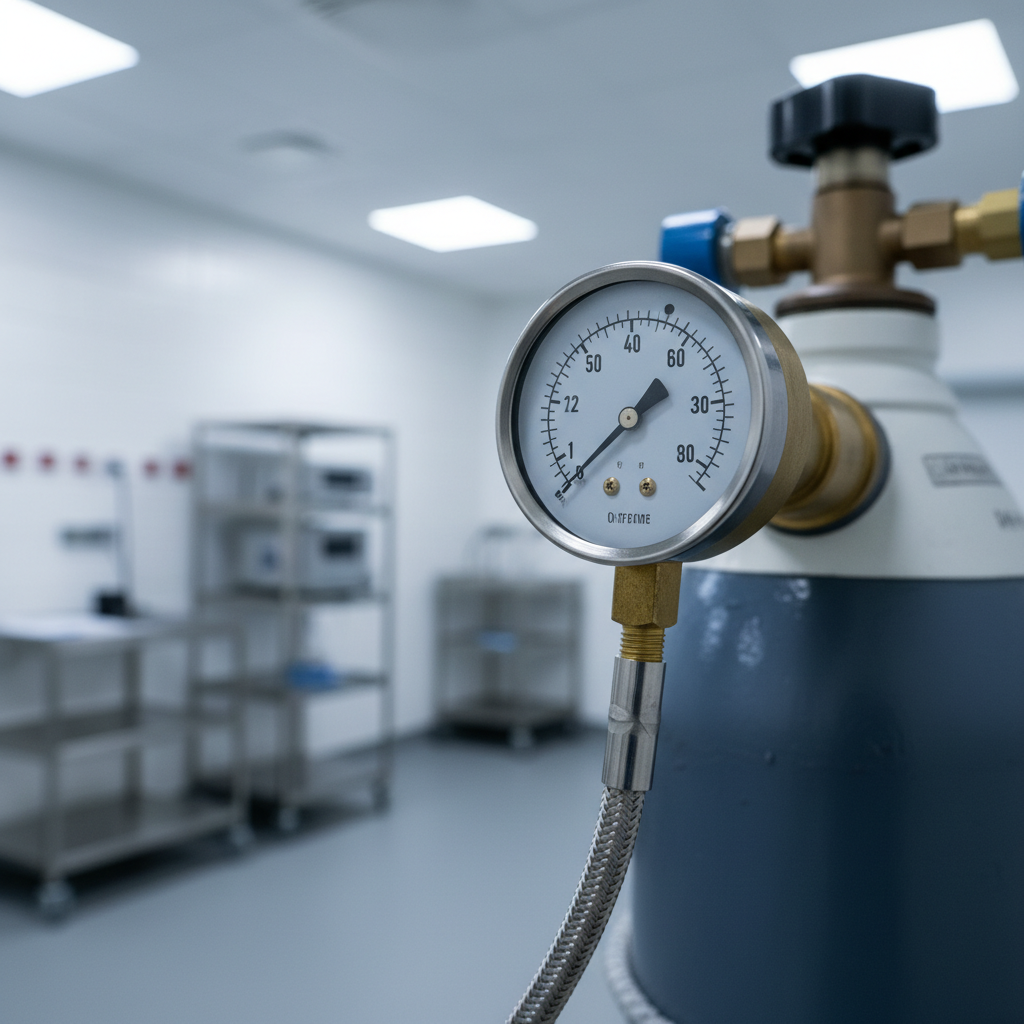
Hospital Nitrogen System Testing in Pompano Beach, FL: A Guide to NFPA 99 Compliance & ASSE 6030 Verification
Nitrogen NF is a critical medical gas used in hospitals and surgical centers to power pneumatic surgical tools and other essential equipment. Ensuring the purity, pressure, and integrity of these nitrogen systems is not just a best practice, it's a requirement mandated by national standards to protect patient safety. For healthcare facilities in Pompano Beach, FL, understanding the specifics of hospital nitrogen system testing is crucial for compliance and safe operation. This guide will walk you through the verification process, purity testing requirements, and the standards governing medical nitrogen systems, including NFPA 99 and the ASSE 6000 series.
What is a Hospital Nitrogen System?
A hospital nitrogen system, also known as a Nitrogen NF (National Formulary) system, is a piped medical gas system designed to deliver medical-grade nitrogen at a specific pressure and purity to various points of use, such as operating rooms and patient care areas. Unlike medical air or oxygen, nitrogen's primary role is to provide a clean, dry, and inert gas source for powering surgical instruments like saws, drills, and staplers. It is typically stored in large cylinders or tanks and regulated through a manifold system before being distributed throughout the facility.
Components of a Typical System
- Source Equipment: This includes high-pressure nitrogen cylinders, a primary and secondary manifold, and pressure regulators. The manifold automatically switches from the primary to the secondary bank to ensure a continuous, uninterrupted supply.
- Piping Distribution Network: A network of dedicated, labeled copper piping that transports the nitrogen gas from the source to the outlets.
- Alarms and Monitoring: Master and area alarms are required by NFPA 99 to provide visual and audible warnings of pressure changes or system failures. These are critical for immediate response.
- Terminal Outlets: Gas-specific DISS (Diameter Index Safety System) connectors in patient care areas that prevent the accidental connection of the wrong gas type.
The Importance of ASSE 6030 Verification for Nitrogen Systems
Any new installation, modification, or repair of a medical gas system, including nitrogen, requires a thorough inspection and verification by a certified ASSE 6030 Medical Gas Verifier. This is not optional. The process ensures that the system is safe, installed correctly, and ready for patient use. Medical Testing Solutions provides ASSE 6030 certified technicians to perform this critical work.
Key steps in the verification process include:
- Piping Inspection: Confirming that all piping, joints, and components are of the correct material and installed per NFPA 99 guidelines.
- Pressure Testing: The system is subjected to a high-pressure test (1.5 times the working pressure) to check for leaks.
- Cross-Connection Testing: Verifying that the nitrogen system is not connected to any other gas system in the facility.
- Particulate and Purity Testing: A sample of the gas is taken from the outlets to test for purity, dew point, and any contaminants.
- Labeling and Component Checks: Ensuring all pipes, outlets, and source equipment are correctly labeled according to the gas they carry.
Why This Matters for Compliance: NFPA 99 (Health Care Facilities Code), Chapter 5, mandates that a third-party ASSE 6030 verification is performed before a new or modified medical gas system is placed into service. Failure to do so can result in citations, project delays, and significant safety risks.
Nitrogen Purity Testing: Meeting USP and NF Standards
Beyond the system's physical integrity, the gas itself must meet strict purity standards. Nitrogen used for medical purposes must be "Nitrogen NF," which means it complies with the monograph established by the U.S. Pharmacopeia (USP). This requires the gas to have a purity of not less than 99.0% by volume.
A key part of annual medical gas inspections involves testing the gas at the source and at various points of use to confirm it meets this standard. Testing typically analyzes:
- Nitrogen Concentration: Must be ≥ 99.0%.
- Oxygen Concentration: Must be ≤ 1.0%.
- Dew Point: A measure of moisture content, which must be kept low to prevent water from condensing in the system.
- Gaseous Hydrocarbons: Checked to ensure no oil or other contaminants have been introduced.