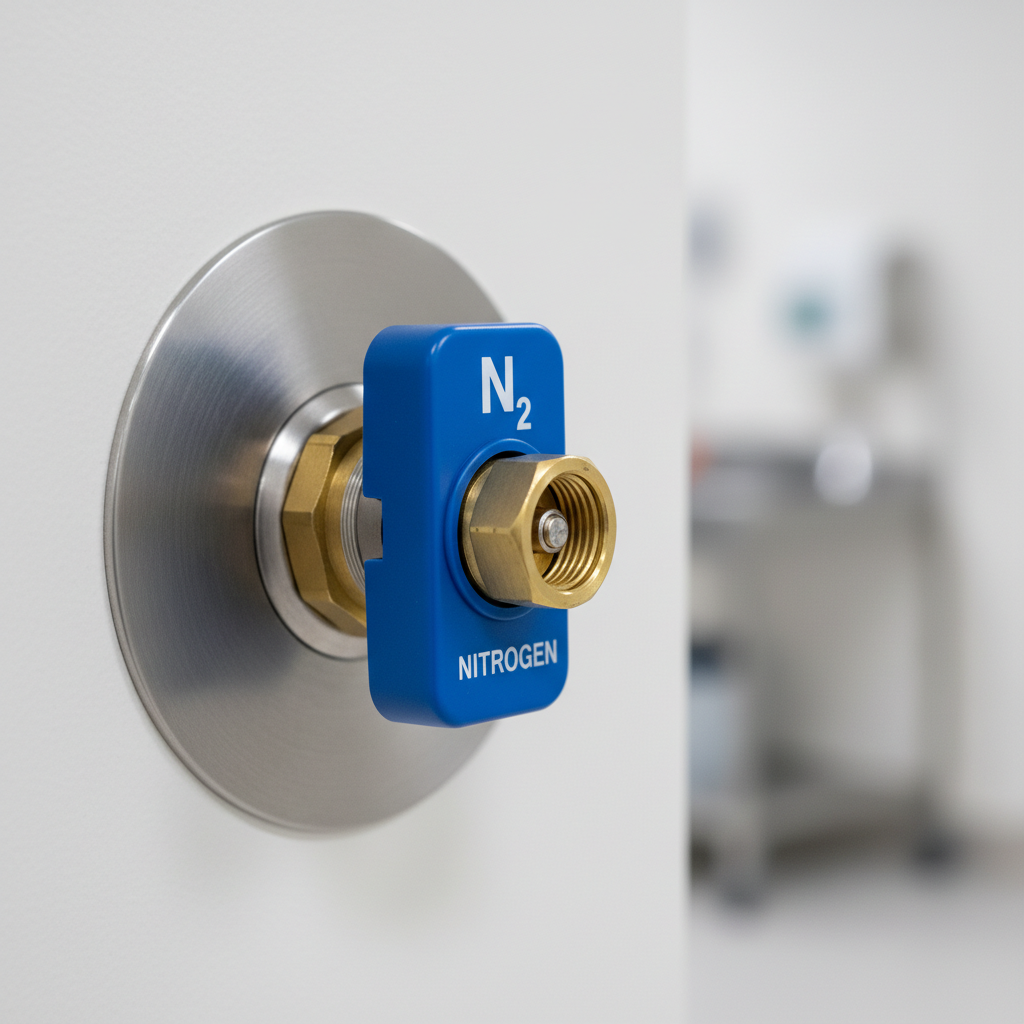
What is Hospital Nitrogen System Testing & Verification?
Surgical nitrogen, also known as Nitrogen NF (National Formulary), is a critical medical gas used in healthcare facilities for various applications, most notably to power surgical tools and equipment. Unlike oxygen or medical air, nitrogen is an inert gas valued for its ability to provide high-pressure, dry power without the risk of combustion. Hospital nitrogen system testing, formally known as "verification," is the comprehensive process of ensuring that a new or modified nitrogen pipeline system is safe, pure, and ready for patient use. This process is governed by stringent codes from the National Fire Protection Association (NFPA) and the American Society of Sanitary Engineering (ASSE), specifically NFPA 99 and the ASSE 6000 series. This guide will walk you through the critical requirements for nitrogen system verification in Plantation, FL, detailing the tests performed, the standards that apply, and how to ensure your facility remains compliant and safe.
Nitrogen NF vs. Industrial Nitrogen: A Critical Distinction
It's crucial to understand that medical-grade Nitrogen NF is not the same as industrial nitrogen. While both are N2, Nitrogen NF must meet the stringent purity requirements outlined in the United States Pharmacopeia (USP). This means it must be free from contaminants and have a specified purity level (≥99.0% N2). Using industrial-grade nitrogen in a medical setting can introduce contaminants, posing a significant risk to patients. All testing and verification procedures are designed to confirm the gas in the pipeline is, in fact, medical-grade Nitrogen NF.
The ASSE 6030 Verification Process: Step-by-Step
A full nitrogen system verification is required after any new installation, modification, or addition to the pipeline. This isn't just a quick check; it's a detailed, multi-step process performed by a credentialed ASSE 6030 Medical Gas Verifier. At Medical Testing Solutions, our certified technicians follow this process meticulously.
Key Steps in Verification:
- Initial Pressure Test: Before introducing nitrogen, the system is filled with oil-free, dry nitrogen to a pressure 1.5 times the working pressure. The system is left to stand for 24 hours to check for any pressure loss, which would indicate leaks. This is a crucial first step in medical gas installation.
- Standing Pressure Test: This test verifies the integrity of the piping distribution network.
- Cross-Connection Test: This test ensures that the nitrogen system is not connected to any other medical or non-medical gas system in the facility. A cross-connection could deliver the wrong gas to a patient, a potentially fatal error.
- Valve & Alarm Tests: Every zone valve and alarm sensor in the nitrogen system is tested to ensure it functions correctly. This includes master alarms, area alarms, and local alarms, verifying they activate at the correct pressure set-points defined in NFPA 99.
- Purity & Final Tie-In Test: This is the final and most critical phase. The system is purged with high volumes of nitrogen to remove any remaining particulate or atmospheric air. A series of tests are then conducted at the outlet closest to the source and at the most distant outlet from the source to confirm purity.
Why this matters for compliance: NFPA 99 (2021 ed.), Chapter 5, mandates that a third-party ASSE 6030 Verifier, such as Medical Testing Solutions, must conduct and certify any new medical gas system or addition before it is used for patient care. Failure to do so can result in loss of accreditation and significant liability.