Hospital Nitrogen System Testing in Hialeah FL: A Guide
Medical Testing SolutionsOctober 12, 20267 min read
Share
Hospital Nitrogen System Testing in Hialeah, FL: A Complete Guide
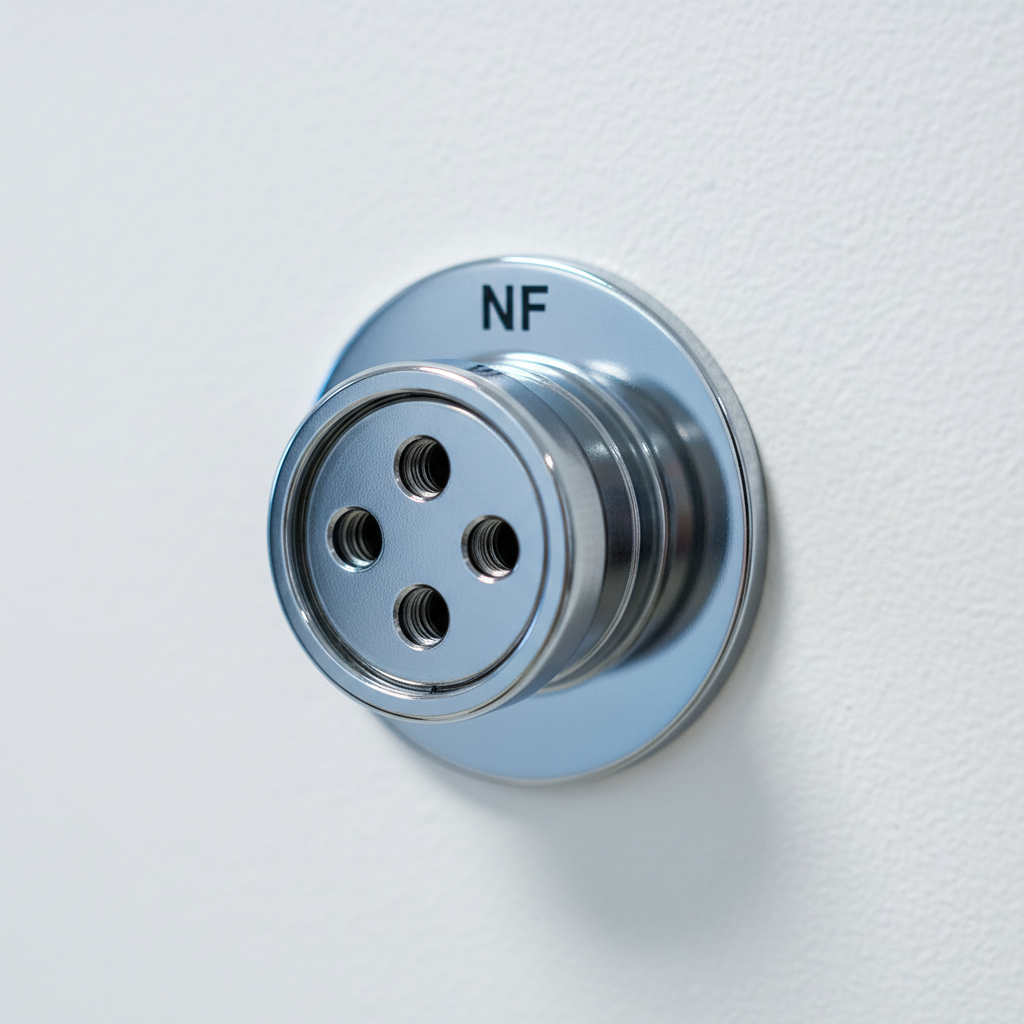
Surgical nitrogen (NF) is a critical medical gas used to power pneumatic surgical tools, from saws and drills to dermatomes. When a surgeon in a Hialeah hospital picks up a nitrogen-powered instrument, they expect flawless performance. That performance depends entirely on the integrity of the medical gas system delivering the nitrogen, its pressure, its purity, and its reliability. This is why rigorous, certified hospital nitrogen system testing is not just a best practice; it's a mandate for patient safety and regulatory compliance. This guide will walk you through the essential testing, verification, and certification requirements for hospital nitrogen systems, ensuring your facility meets all necessary standards.
In this post, you will learn:
The specific role of Nitrogen NF in a hospital setting.
Key testing requirements outlined in NFPA 99 and ASSE 6000 standards.
The process of ASSE 6030 system verification for new installations or modifications.
How to choose a certified testing agency in the Hialeah, Florida area.
Understanding Nitrogen (NF) in the Hospital Environment
Nitrogen in its medical gas form is designated "NF," which stands for National Formulary. This designation signifies that it meets stringent purity standards suitable for human medical use. Unlike other medical gases like oxygen or medical air that are used for respiration, Nitrogen NF's primary role is to provide pneumatic pressure.
Its key characteristics make it ideal for this purpose:
Inert: Nitrogen is a dry, inert gas that does not react with other substances, preventing contamination or combustion within the pipeline or surgical tools.
High Pressure: It can be supplied at high pressures (typically 160-200 psi) to reliably power torque-heavy orthopedic and surgical instruments.
Common applications include:
Orthopedic surgery (drills, saws, reamers)
Dermatology (cryosurgery instruments)
General surgery (staplers, insufflators)
Given its direct role in powering tools used inside a patient's body, any failure, whether pressure drops or purity contamination, can have immediate and severe consequences. This is the fundamental reason for stringent testing protocols.
The Core Standard: NFPA 99 Requirements for Nitrogen Systems
The National Fire Protection Association (NFPA) 99, Health Care Facilities Code, is the cornerstone of medical gas safety. It outlines the minimum criteria for the installation, performance, and inspection of medical gas and vacuum systems. For nitrogen systems, several chapters are critical.
NFPA 99, Chapter 5: Piped Gas and Vacuum Systems: This chapter details requirements for system installation, from the source equipment (cylinders, manifolds) through the piping network to the terminal outlets in operating rooms. It specifies materials, joint types, labeling, and pressure relief valve requirements.
NFPA 99, Chapter 5.1.12: System Verification: Before any new, modified, or repaired medical gas system is placed into service, it must be certified by a qualified third party. This process, known as medical gas verification, ensures that the system is safe for patient use. The verifier must be credentialed to the ASSE 6030 standard.
Why this matters for compliance: Failure to adhere to NFPA 99 can result in citations from accrediting organizations like The Joint Commission (TJC), CMS, or AHCA. In Hialeah and across Florida, documented compliance, including up-to-date verification and inspection reports, is non-negotiable.
ASSE 6030 Medical Gas Verifier: The Gatekeeper of Safety
An ASSE 6030 Certified Medical Gas Verifier is an individual who has undergone extensive training and passed a rigorous examination to test and "verify" piped medical gas systems. They are the independent party responsible for ensuring the system was installed correctly by an ASSE 6010 certified installer.
At Medical Testing Solutions, our technicians hold these critical credentials, allowing us to perform the full suite of tests required for system certification.
The verification process for a hospital nitrogen system is comprehensive:
Initial Pressure Test: The system is checked for leaks by pressurizing it with oil-free, dry nitrogen to 150 psi or 1.5 times the system working pressure.
Cross-Connection Test: This critical test ensures that the nitrogen outlets are connected only to the nitrogen source and not accidentally crossed with any other gas system (e.g., oxygen, medical air).
Piping Purge Test: The lines are purged at a high flow rate to remove any particulate matter left over from the installation process.
Particulate Test: A test to confirm the purge was effective and that the gas delivered at the outlet is free of solid contaminants.
Purity and Identity Test: The verifier analyzes the gas from each outlet to confirm its identity as Nitrogen NF and ensure it meets the purity standards specified by the USP (<1.0% Oxygen, <25 ppm Water Vapor).
Final System Tests: This includes verifying correct alarm function, labeling, and component operation.
Only after every single one of these tests is passed can the system be certified and put into patient use.
Installation and Maintenance: The Role of ASSE 6010 and 6040
Proper testing is only half the battle. The system must be installed and maintained by qualified professionals.
ASSE 6010 Medical Gas Systems Installers: These professionals are certified to perform the physical medical gas installation work. They understand the specific requirements for brazing, pipe materials, and component placement according to NFPA 99.
ASSE 6040 Medical Gas Systems Maintenance Personnel: Facility staff or contractors responsible for the ongoing upkeep and repair of the medical gas systems should be certified to this standard. It ensures they have the knowledge to perform maintenance without compromising the system's integrity.
Medical Testing Solutions provides both ASSE 6010 installation services and ongoing maintenance programs, ensuring a continuum of compliance from initial build to daily operation.
Annual Hospital Nitrogen System Testing: What to Expect
While initial verification is a one-time event for new systems, NFPA 99 also mandates ongoing inspections. These annual medical gas inspections are less intensive than a full verification but are crucial for preventative maintenance.
For a nitrogen system, an annual inspection typically includes:
Checking the nitrogen source equipment (manifold, dewars) for leaks and proper function.
Verifying correct pressures at the source and throughout the system.
Inspecting pressure relief valves.
Testing station outlets and inlets for flow, leaks, and mechanical function.
Checking the function of all associated warning and alarm systems.
Regular inspections help identify potential issues like minor leaks or pressure creep before they become critical failures affecting surgical procedures.
Nitrogen System Components & Common Failure Points
Component
Function
Common Issues to Test For
NFPA 99 Section (Typical)
Manifold
Regulates pressure from high-pressure cylinders
Leaks at connections, regulator failure, incorrect pressure setting
5.1.3.3
Source Valves
Isolate the nitrogen source from the main pipeline
Worn latching mechanism, leaks, incorrect gas keying
5.1.5
Choosing a Certified Testing Partner in Hialeah
When searching for "hospital nitrogen system testing Hialeah FL," you need more than a company with a pressure gauge. You need a partner with a deep understanding of the codes and a commitment to patient safety.
What to look for:
ASSE 6030 Certification: Ask for proof of current certification for the specific technician who will be on-site. This is non-negotiable.
Comprehensive Reporting: The final certification or inspection report must be detailed, clear, and suitable for presentation to TJC, AHCA, or other authorities.
Experience in Hialeah and South Florida: A local company understands the specific requirements and challenges of healthcare facilities in the region.
Full-Service Capability: A provider that also offers medical gas maintenance services and installation can be a valuable long-term partner.
Frequently Asked Questions
A full ASSE 6030 verification is required for any new, modified, or repaired system before it’s used. After that, annual inspections are required by NFPA 99 to ensure continued safety and performance.
“Testing” refers to the individual procedures performed, like pressure tests or purity analysis. “Certification” is the end result of a successful verification process, where a qualified ASSE 6030 verifier provides a formal document stating the system meets all NFPA 99 requirements and is safe for patient use.
Yes, provided they are certified to the ASSE 6040 Medical Gas Maintenance Personnel standard. However, the initial system verification (certification) must be performed by an independent, third-party ASSE 6030 verifier.
According to the United States Pharmacopeia (USP), Nitrogen NF must be ≥99.0% pure nitrogen. Impurities like oxygen and water are strictly limited to ensure the gas is dry and inert.
If a system fails any part of the verification, it cannot be certified for use. The ASSE 6030 verifier will issue a report detailing the deficiencies. The ASSE 6010 installer must then correct the issues, and the system must be re-tested until it passes.
Industrial-grade nitrogen does not meet the purity standards of the National Formulary (NF). It can contain moisture, particulate matter, or other gaseous impurities that could damage surgical tools or, in a worst-case scenario, introduce contaminants into a patient’s surgical site.
Request a quote for your facility
Talk with Medical Testing Solutions about your next inspection, repair or equipment request.