A Comprehensive Guide to Hospital Isolated Power System Inspection
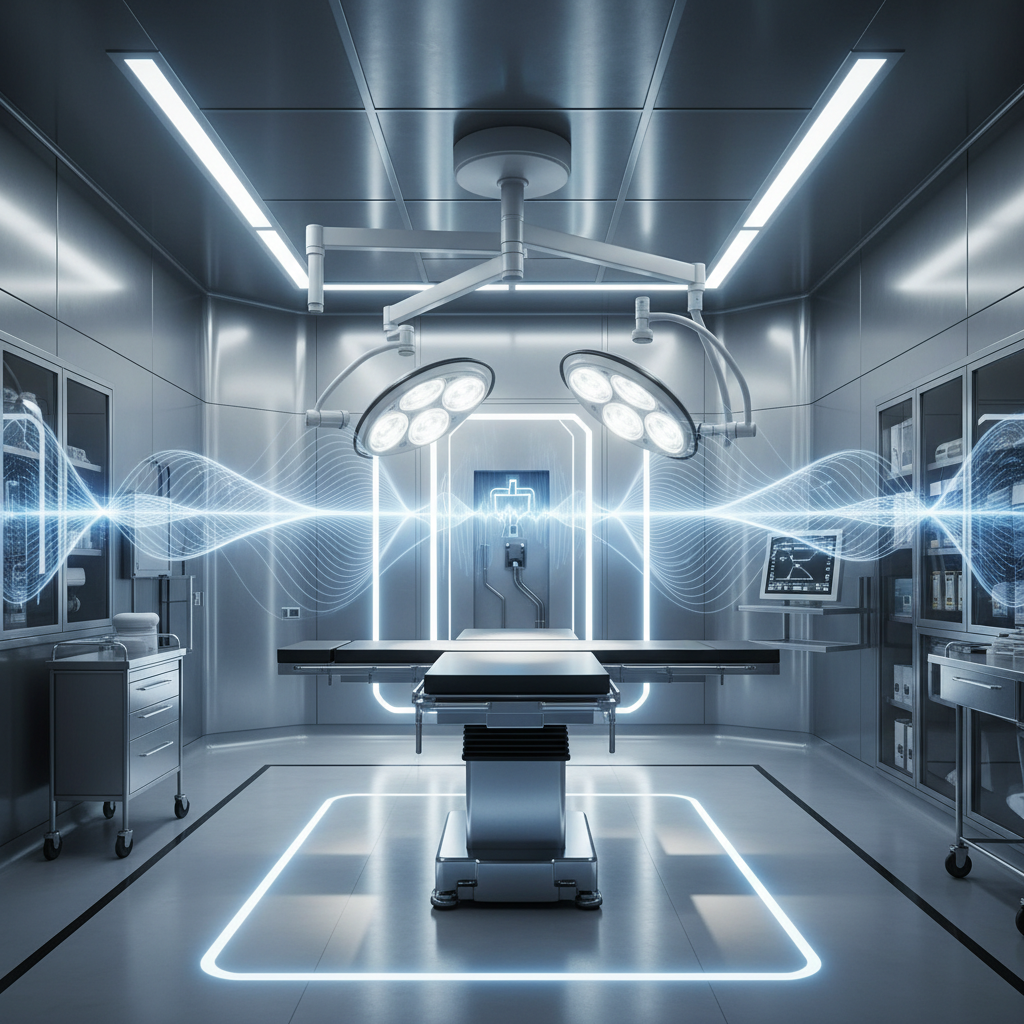
The electrical systems in a hospital are unlike those in any other building. In critical care areas, especially "wet procedure locations" like operating rooms, delivery rooms, and ICUs, the risk of electrical shock is magnified. To mitigate this risk, healthcare facilities rely on isolated power systems (IPS). Ensuring these systems function perfectly is not just a matter of best practice—it's a mandate for patient safety and regulatory compliance. This guide provides a definitive overview of hospital isolated power system inspection, detailing the process, NFPA 99 requirements, and how to ensure your facility is both safe and compliant.
What Are Isolated Power Systems and Why Are They Critical?
Standard electrical systems are "grounded," meaning they have a direct connection to the earth. This is a safety feature for most applications, but in a wet, high-risk medical environment, it can create a dangerous path for current to travel through a patient or staff member. Isolated power systems are different. They are ungrounded systems that use a special isolation transformer to separate the power supply from the building's ground. This design dramatically reduces the risk of electric shock from a single point of failure.
The Role of IPS in Wet Procedure Locations
NFPA 99, the Health Care Facilities Code, defines a "wet procedure location" as an area where procedures involving liquids are common, which could create a conductive environment. In these areas, an IPS is required to protect patients who may be more vulnerable to electrical micro-shock due to invasive monitoring or procedures. If an electrical fault occurs, the isolated power system prevents a significant flow of current, triggering an alarm via a Line Isolation Monitor (LIM) instead of tripping a breaker and causing a life-threatening power outage.
Key Components of an Isolated Power System
An IPS is a specialized assembly with three primary components that must be inspected:
- Isolation Transformer: This device inductively couples the system to the standard power grid, creating the "ungrounded" secondary circuit.
- Line Isolation Monitor (LIM): The "brains" of the system. The LIM continuously monitors the system's isolation from ground, measuring the total hazard current. If it detects a fault that could compromise safety (typically at a 5 mA threshold), it alarms to alert staff without interrupting power.
- Isolated Receptacles: The outlets that supply power to medical equipment in the patient care vicinity are all connected to the isolated panel.
NFPA 99: The Cornerstone of IPS Inspection Requirements
NFPA 99 is the primary code that governs the inspection and testing of isolated power systems in healthcare facilities. Adherence is not optional; it's essential for accreditation from organizations like The Joint Commission.
Chapter 6: Electrical Systems
Chapter 6 of NFPA 99 outlines the specific requirements for electrical systems, including the design, installation, and maintenance of IPS. For inspections, the code details precise testing procedures and acceptable performance criteria. Technicians performing these inspections must be intimately familiar with these requirements.
Why This Matters for Compliance: Failure to document regular, compliant inspections of your isolated power systems is a common finding during accreditation surveys. It can lead to citations and, more importantly, indicates a potential gap in your facility's patient safety protocols. Regular testing by a certified provider is your best defense.
An essential part of compliance is ensuring the individuals performing the tests are qualified. Companies like Medical Testing Solutions employ ASSE 6030 certified technicians, ensuring that inspections and subsequent medical gas verification are performed to the highest standard, meeting all code requirements.
The Core of the Inspection: Line Isolation Monitor (LIM) Testing
The most critical part of any IPS inspection is verifying the proper function of the Line Isolation Monitor. A faulty LIM either fails to alarm in a dangerous situation or creates nuisance alarms that disrupt care. The inspection process, as defined by NFPA 99, confirms the LIM's accuracy and trip function.
This involves a series of tests to ensure the monitor alarms at the correct threshold (typically 5 mA) and that the visual and audible alarms are functioning for staff to see and hear. For facilities looking to ensure their systems are in perfect working order, specialized Line Isolation Monitor testing is a core service that should be performed annually.
A Step-by-Step Guide to a Compliant IPS Inspection
A thorough hospital isolated power system inspection is a multi-faceted process. While it should only be performed by a qualified technician, facility managers should understand what a comprehensive inspection entails.
- Documentation Review: The process begins by reviewing past inspection reports, electrical drawings, and panel schedules.
- Visual and Physical Inspection: The technician inspects the physical condition of the IPS panel, transformer, and all associated receptacles. This includes looking for signs of damage, overheating, or loose connections.
- Transformer Testing: The isolation transformer is checked for proper voltage, load, and physical integrity.
- LIM Functional Testing: Using specialized test equipment, the technician simulates various fault conditions to verify the LIM alarms at the NFPA-specified 5 mA threshold. They will also confirm that both the audible and visual alarms on the local and remote annunciators work correctly.
- Receptacle Testing: Every receptacle connected to the system is tested for:
* Proper polarity
* Grounding integrity
* Sufficient retention tension (to prevent plugs from becoming loose)
* Voltage
- Reporting: Upon completion, the service provider delivers a detailed report documenting the status of every component tested, noting any deficiencies, and recommending corrective actions.
Comparing IPS Testing Requirements
Understanding the required tests and frequencies is crucial for facility managers. While NFPA 99 sets the minimum standard, facility best practices may call for more frequent checks.
| Test/Inspection Item | NFPA 99, 2024 Ed. Requirement | Recommended Frequency | Component Checked |
|---|---|---|---|
| LIM Function Test | Test LIM function upon installation and after any repair. (6.3.3.3.3) | Annually | Line Isolation Monitor (LIM) |
| Receptacle Tension Test | Test upon installation. (6.3.3.2) | Annually | All isolated power receptacles |
| Receptacle Grounding | Test upon installation. (6.3.3.2) | Annually | All isolated power receptacles |
| Visual Inspection | Not explicitly mandated periodically, but implied. | Annually | Transformer, panel, wiring, annunciators |
| Record Keeping | Written records of all tests shall be maintained. (6.3.4.1) | Ongoing | Facility Maintenance Logs |
Common Deficiencies and How to Address Them
During an inspection, several common issues can arise:
- LIM Alarms at Incorrect Values: The LIM may fail its functional test, alarming too early or too late. This often requires recalibration or replacement.
- Worn-Out Receptacles: Hospital-grade receptacles are robust, but with constant use, their retention tension can decrease, which is a safety hazard. These must be replaced.
- Documentation Gaps: Missing reports from previous years can be a major red flag for auditors.
- Nuisance Alarms: Often caused by too much equipment plugged into a single circuit or equipment with high leakage current, a qualified technician can help diagnose the root cause.
Choose Medical Testing Solutions for Your IPS Inspections
When it comes to the safety of your patients and staff, you cannot compromise. Choosing a qualified provider for your hospital isolated power system inspections is paramount. Medical Testing Solutions is an ASSE-certified company with deep expertise in NFPA 99 and healthcare facility safety. Our technicians provide thorough, compliant inspections and deliver the detailed documentation you need for your records.
From initial installation and verification to routine maintenance and certification, we are your trusted partner in medical facility compliance.
Don't wait until an audit reveals a problem. Proactively ensure the safety and compliance of your critical care areas. Contact Medical Testing Solutions today for a free quote on your isolated power system inspection. Call us at +1 (754) 315-1078 or request a quote online.
FAQs About Hospital Isolated Power System Inspection
Q: What is a "wet procedure location" according to NFPA 99?A: It is a patient care area where procedures are performed that normally include the use of liquids that could come into contact with the patient or staff, creating a conductive environment. Examples include operating rooms, delivery rooms for caesarean sections, and some ICU stations.
Q: How often do hospital isolated power systems need to be tested?A: Upon installation and after any repairs, a full functional test is required. NFPA 99 also requires that a written record of tests be maintained. Best practice, followed by most healthcare facilities, is to perform a comprehensive inspection and LIM functional test at least annually.
Q: What happens if a Line Isolation Monitor (LIM) alarms during a procedure?A: The alarm (both audible and visual) alerts staff that a potential fault has occurred. Critically, it does not shut off the power. This gives staff time to identify the piece of equipment that may be causing the issue and replace it, without interrupting the patient's care.
Q: Can any qualified electrician perform an isolated power system inspection?A: While many electricians are skilled, IPS inspection requires specialized knowledge of NFPA 99 and specific test procedures. It is highly recommended to use a technician certified to ASSE 6030 Medical Gas Systems Verifier standards, as they are trained specifically for this complex environment.
Q: What is the main difference between isolated power and standard power?A: Standard power systems are "grounded," meaning they have a direct path to earth. Isolated power systems are "ungrounded," using an isolation transformer. This design prevents a single fault from creating a dangerous electrical shock in a sensitive patient care environment.
'''
This article is provided for educational purposes and reflects industry standards as of publication. Always verify against current NFPA 99, CGA, and AHJ requirements. Medical Testing Solutions is ASSE-certified and ready to help — contact us for facility-specific guidance.
Need Medical Gas Services?
Contact our certified team for inspections, verifications, installations, and more.
Get a Free Quote