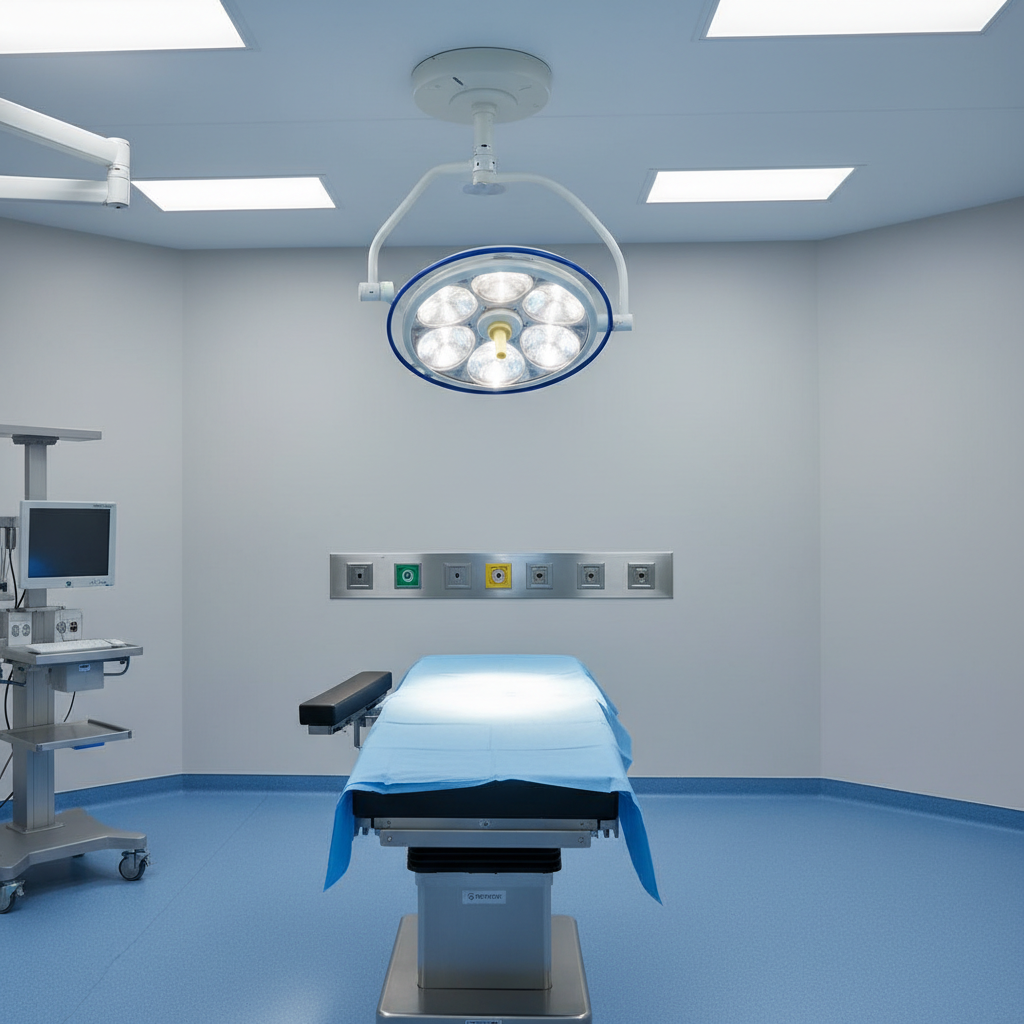
Ambulatory Surgery Center Medical Gas Install in Wilmington NC: A Complete Guide
Building a new Ambulatory Surgery Center (ASC) is a complex undertaking, and the medical gas delivery system is one of its most critical components. A properly designed and installed system is non-negotiable for patient safety, staff security, and regulatory compliance. For facilities in Wilmington, NC, this means navigating a web of codes and standards, from initial design to the final sign-off by the Authority Having Jurisdiction (AHJ). This guide provides a definitive overview of the ground-up medical gas installation process for ASCs, outlining every phase from blueprint to operation.
You will learn the key stages of a compliant installation, the importance of ASSE 6000 series certifications, the specific requirements of NFPA 99, and how partnering with a certified expert like Medical Testing Solutions ensures your project succeeds.
The Four Pillars of a Compliant Medical Gas Installation
A successful ASC medical gas installation rests on four essential pillars: Design, Installation, Verification, and Documentation. Each stage has its own set of requirements and certified professionals, governed primarily by the National Fire Protection Association's code, NFPA 99, Health Care Facilities Code.
1. System Design & Engineering
Before a single pipe is ordered, a detailed design must be developed by a qualified engineer. This phase involves:
- Sizing the System: Calculating the ASC's specific needs for flow rates and pressures based on the number of operating rooms, recovery bays, and procedure types.
- Source Equipment Selection: Choosing the right manifold and alarm systems for gases like Oxygen (O2), Nitrous Oxide (N2O), Medical Air (MA), and a vacuum (VAC) source.
- Piping Layout: Creating detailed drawings that map the routing of all pipelines from the source to each terminal outlet, ensuring proper pipe sizing and slope.
Why this matters for compliance: A flawed design can lead to costly change orders, system failures, and an inability to pass final verification. NFPA 99 Chapter 5 dictates the requirements for Category 1 gas and vacuum systems, which are the standard for ASCs where a failure is likely to cause major injury or death to patients.
2. Installation (ASSE 6010)
The physical installation must be performed by tradespersons with an ASSE 6010 Medical Gas Systems Installer certification. This is a crucial requirement. These certified installers are trained to:
- Properly braze copper piping to maintain system purity.
- Install source equipment, alarms, and outlets according to manufacturer specifications and code.
- Ensure all work meets the stringent standards required for medical applications.
- Work with other trades on-site to coordinate the installation seamlessly within the overall construction schedule.
For complex projects like an ASC build-out in Wilmington, look for a team that provides comprehensive medical gas installation services from start to finish.
3. Verification & Testing (ASSE 6030)
Once the installation is complete, it cannot be used until it is thoroughly tested by an independent, third-party verifier holding an ASSE 6030 Medical Gas Systems Verifier certification. This is where Medical Testing Solutions often plays a critical role. The verification process is exhaustive and includes:
- Initial Blowdown: Purging the lines with nitrogen to remove any particulate matter.
- Pressure Testing: Ensuring the system can hold pressure without leaks.
- Gas Concentration & Purity: Confirming that the gas at each outlet is the correct gas and is free from contaminants.
- Alarm Testing: Verifying that all local and master alarms function correctly.
This crucial step is your assurance that the system is safe for patient use. Learn more about our medical gas verification process.
4. Documentation & AHJ Sign-Off
The verifier provides a detailed report of all tests performed. This documentation, along with the installer's records, is submitted to the Authority Having Jurisdiction (AHJ) for final approval. Comprehensive and accurate records are non-negotiable for achieving certification and opening your facility.
Key Components of an ASC Medical Gas System
| Component | Function | NFPA 99 Reference (Chapter 5) | Key Consideration |
|---|---|---|---|
| Source Manifold | Manages the primary and secondary gas supply (e.g., Oxygen cylinders). | 5.1.3.4 | Automatic switchover is essential for uninterrupted supply. |
| Medical Air Source | Compressor or air cylinders providing high-purity air. | 5.1.3.5 | Must meet specific purity requirements (e.g., dew point, CO levels). |
| Medical Vacuum Source | Pumps that create the suction needed for various procedures. | 5.1.3.6 | Must maintain required vacuum level under load; requires duplicate pumps. |
| Zone Valve Box | Allows specific areas (zones) of the facility to be shut off in an emergency. | 5.1.4.3 | Must be immediately accessible and clearly labeled. |
| Area & Master Alarms | Monitor system pressure and alert staff to potential issues. | 5.1.9 | Master alarms must be located in an area of continuous surveillance. |
| Terminal Outlets | Gas-specific connection points in patient care areas (e.g., DISS, Ohmeda). | 5.1.5 | Must be gas-specific to prevent dangerous cross-connections. |