Ambulatory Surgery Center Medical Gas Install in Tampa, FL: A Complete Guide
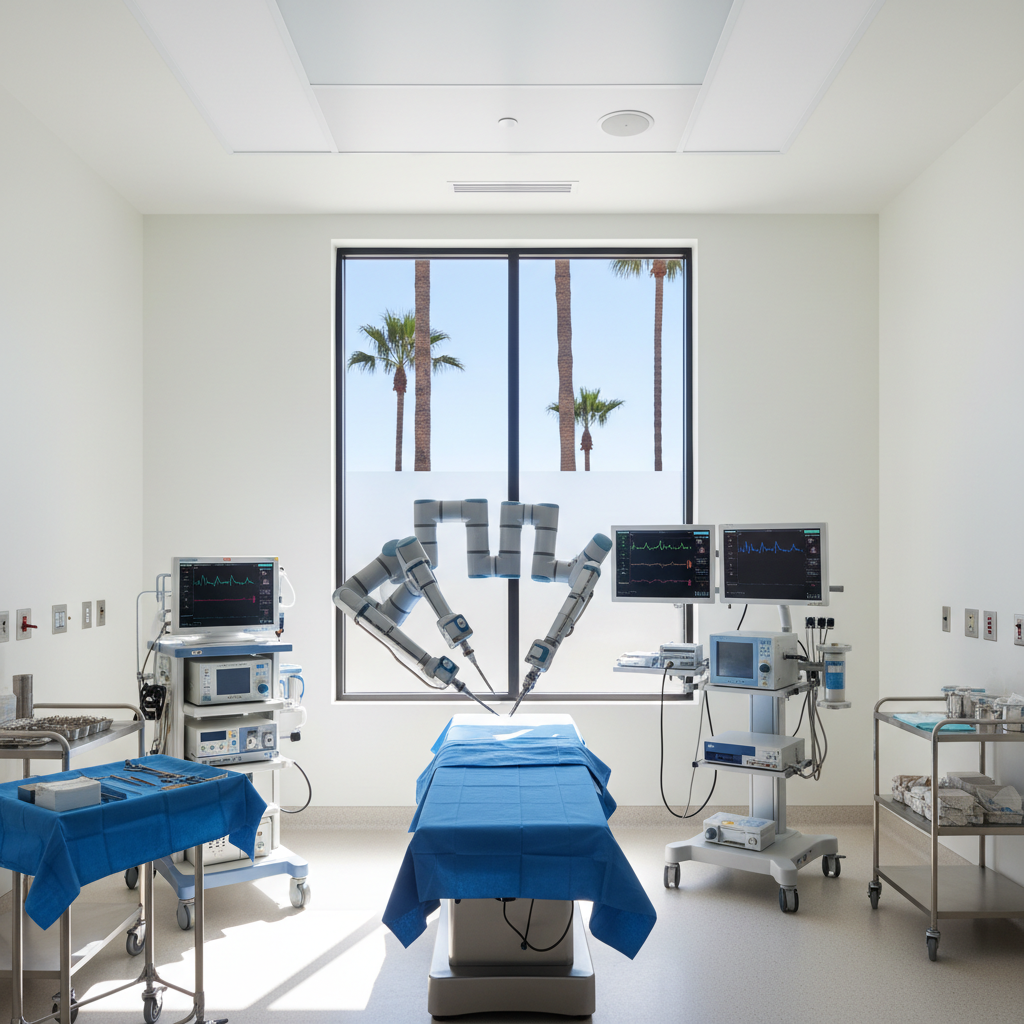
Building a new Ambulatory Surgery Center (ASC) in Tampa, Florida, is a complex undertaking. Among the most critical systems you'''ll install is the medical gas network. This life-sustaining infrastructure—delivering oxygen, medical air, nitrous oxide, and vacuum—must be flawlessly designed, installed, and verified to meet stringent safety codes before a single patient can be treated. This guide provides a definitive overview of the entire process, from initial blueprints to the final sign-off from the Authority Having Jurisdiction (AHJ) and the Florida Agency for Health Care Administration (AHCA).
You will learn the key phases of a new construction medical gas installation, the specific Florida codes you must meet, and how choosing a local, Florida-based partner like Medical Testing Solutions can save you significant time and money.
The Critical Role of Medical Gas Systems in Tampa ASCs
Modern ambulatory surgery centers perform a wide range of procedures that rely on a steady, pure supply of medical gases. Unlike portable cylinders, a centralized, piped system offers superior safety, reliability, and efficiency.
A typical ASC system includes:
- Oxygen (O2): Used for patient respiration and anesthesia.
- Medical Air: A compressed air source used for patient breathing and to power surgical tools.
- Nitrous Oxide (N2O): An anesthetic agent used in many surgical procedures.
- Medical Vacuum: Used to remove fluids and debris from the surgical site.
- Waste Anesthetic Gas Disposal (WAGD): Safely removes exhaled anesthetic gases from the operating room.
These systems are not just plumbing; they are regulated medical infrastructure. Failure at any stage of the installation can lead to patient safety risks, catastrophic project delays, and costly rework.
Phase 1: Planning & Design for AHCA Compliance
The foundation of a successful installation is a robust design that anticipates your facility'''s needs while adhering strictly to code. This phase involves close collaboration between architects, engineers, and your medical gas specialist.
Partnering with ASSE 6010 Certified Installers
The National Fire Protection Association (NFPA) 99 Health Care Facilities Code requires that all medical gas systems be installed by individuals certified to the ASSE 6010 standard for Medical Gas Systems Installers. Your first step should be to engage a certified company that understands both NFPA 99 and Florida'''s specific requirements. An experienced partner can provide crucial input on system sizing, pipe routing, and equipment placement during the design phase, preventing costly changes later.
Sizing Your System: Source Equipment and Piping
The design must accurately calculate the peak demand for your facility to size the source equipment (e.g., oxygen manifolds, air compressors, vacuum pumps) and piping network correctly. An undersized system can fail under load, while an oversized one adds unnecessary expense. The design will map out where every terminal, zone valve box, and alarm panel will be located to ensure functionality and code compliance.
#### Why This Matters for Compliance
The Agency for Health Care Administration (AHCA) reviews architectural plans and requires that medical gas systems comply with their stringent guidelines, which incorporate NFPA 99 by reference. A design that fails to meet these standards will not be approved, stopping your Tampa project before it even starts. Proper planning is the first and most critical step toward AHCA sign-off.
Phase 2: The Installation Process from Rough-In to Finish
With an approved design, the physical medical gas installation begins. This work is performed by ASSE 6010 certified technicians and is a highly specialized trade.
- Piping Rough-In: Medical-grade, cleaned copper piping is installed throughout the facility. A critical step is the brazing process, where joints are heated and joined with a silver alloy. During brazing, a continuous purge of oil-free nitrogen must be maintained within the pipe to prevent oxidation, which could otherwise introduce contaminants into the system.
- Component Placement: Zone valve boxes, area alarm panels, and master alarm panels are mounted. These components are vital for isolating sections of the system during maintenance or emergencies and for providing real-time status alerts.
- Source Equipment Installation: The "heart" of the system—such as the oxygen manifold, vacuum pumps, and medical air compressor—is installed in a dedicated, secure room. These must be connected with careful attention to vibration isolation, ventilation, and electrical safety.
Throughout the process, the installation team must coordinate closely with other trades to ensure the system'''s integrity is not compromised.
Why a Florida-Based Verifier Saves Tampa ASCs Time & Money
Once the installation is complete, NFPA 99 requires a mandatory third-party verification before the system can be used. This must be performed by an ASSE 6030 Certified Medical Gas Verifier who is independent of the installer.
For facilities in Tampa and across Florida, choosing a local verifier is a significant strategic advantage. Medical Testing Solutions is headquartered at 501 East Las Olas Blvd, Fort Lauderdale, FL 33301. Our deep roots in the state provide tangible benefits:
- NO Travel Costs: We never charge for travel time, lodging, or per-diem anywhere in Florida. This alone can save clients 10-25% compared to out-of-state firms.
- Rapid Mobilization: Our Florida-based team can be on-site in Tampa quickly, and we offer same-day dispatch in South Florida for emergencies.
- Local Code Fluency: We work directly with AHCA and local AHJs every day. We understand the specific submission requirements and common pitfalls, like those outlined in AHCA OPS Form 3110 and Chapter 59A of the Florida Administrative Code.
| Feature | Medical Testing Solutions (Florida-Based) | Out-of-State Verifier |
|---|---|---|
| Travel & Lodging Fees | $0 | $2,000 - $5,000+ |
| Response Time to Tampa | Typically 24-48 hours | 3-7 days, pending flights |
| AHCA Expertise | Fluent in all forms and Chapters | May have limited experience |
| Hurricane Response | Rapid post-storm mobilization | Delayed by regional travel bans |
Phase 3: The ASSE 6030 Verification Gauntlet
ASSE 6030 verification is the ultimate quality control check. It is a comprehensive battery of tests designed to ensure the system is safe, pure, and operating correctly. A passed verification is non-negotiable for obtaining your Certificate of Occupancy.The verifier will conduct tests for:
- Cross-Connection: Ensures gases cannot flow from one system to another.
- Pressure & Flow: Confirms the system maintains proper operating pressures and flow rates at each terminal.
- Purity & Particulates: Verifies that the gas delivered is the correct type and free of contaminants.
- Alarm Functionality: Tests every local and master alarm to ensure they trigger under the correct conditions.
The verifier documents all findings in a detailed report, which is then submitted to the AHJ and AHCA as proof of compliance.
Post-Installation: Annual Testing & Hurricane Preparedness
Your compliance journey doesn'''t end at installation. The Joint Commission (TJC) and other accrediting bodies, following NFPA 99 standards, require that hospital systems like BayCare and AdventHealth perform regular maintenance and testing.
This includes annual medical gas inspections to ensure ongoing safety and performance. Furthermore, Florida'''s unique climate presents another challenge: hurricanes. NFPA 99 (5.1.12) requires that the system be re-verified after any major component is compromised or if the source gas is lost, a common occurrence after a major storm. Our local presence allows for rapid re-verification to get your facility back online safely.
Frequently Asked Questions (FAQs)
What medical gases are typically required for an ambulatory surgery center?Most ASCs require Oxygen (O2), Medical Air, and a Medical Vacuum system. Depending on the procedures offered, Nitrous Oxide (N2O) for anesthesia and Waste Anesthetic Gas Disposal (WAGD) systems are also common.
Who is qualified to install and verify a medical gas system in Florida?Installation must be done by technicians holding an ASSE 6010 certification. Verification must be performed by an independent, third-party individual holding an ASSE 6030 certification. Medical Testing Solutions employs a team of highly experienced, dually-certified professionals.
How long does a new ASC medical gas installation take?The timeline varies with the project'''s size and complexity but typically takes several weeks, scheduled in coordination with the overall construction timeline. The key is planning ahead with your certified partner.
What is the role of the Florida Agency for Health Care Administration (AHCA)?AHCA is the primary state-level regulator for healthcare facilities. They review and approve facility construction plans, including medical gas designs, and require a passed verification report before a facility can be licensed to operate.
Do I need to re-verify my system after a hurricane in Tampa?Yes, according to NFPA 99 5.1.12. If your facility loses pressure in the system or any part of the source equipment is damaged during a storm, a full or partial re-verification is required to ensure patient safety before resuming operations.
Start Your Tampa ASC Project with Confidence
Building a new ambulatory surgery center in Tampa is a major investment. Ensuring your medical gas system is designed and installed correctly from day one is essential for patient safety, regulatory compliance, and your bottom line. Partnering with a local, experienced, and certified expert is the surest path to success.
Don'''t risk delays or budget overruns with an out-of-state company. Call our Fort Lauderdale office at +1 (754) 315-1078 for a no-obligation consultation, or request a quote online today to leverage our local expertise for your Tampa project.
'''
This article is provided for educational purposes and reflects industry standards as of publication. Always verify against current NFPA 99, CGA, and AHJ requirements. Medical Testing Solutions is ASSE-certified and ready to help — contact us for facility-specific guidance.
Need Medical Gas Services?
Contact our certified team for inspections, verifications, installations, and more.
Get a Free Quote