Building a new Ambulatory Surgery Center (ASC) in Raleigh, NC, is a complex undertaking. Among the most critical systems you will install is the medical gas network. A compliant, properly installed medical gas system is the lifeblood of your facility, essential for patient safety and surgical procedures. This guide provides a definitive overview of the entire process, from initial design and system selection through the final verification and Authority Having Jurisdiction (AHJ) sign-off. We will detail the code requirements, personnel qualifications, and critical steps needed to ensure your ASC's medical gas system is designed, installed, and certified correctly from day one.
Medical Gas Service
Compliance & Standards
Ambulatory Surgery Center Medical Gas Install in Raleigh, NC: A Complete Guide
Medical Testing SolutionsOctober 14, 20267 min read
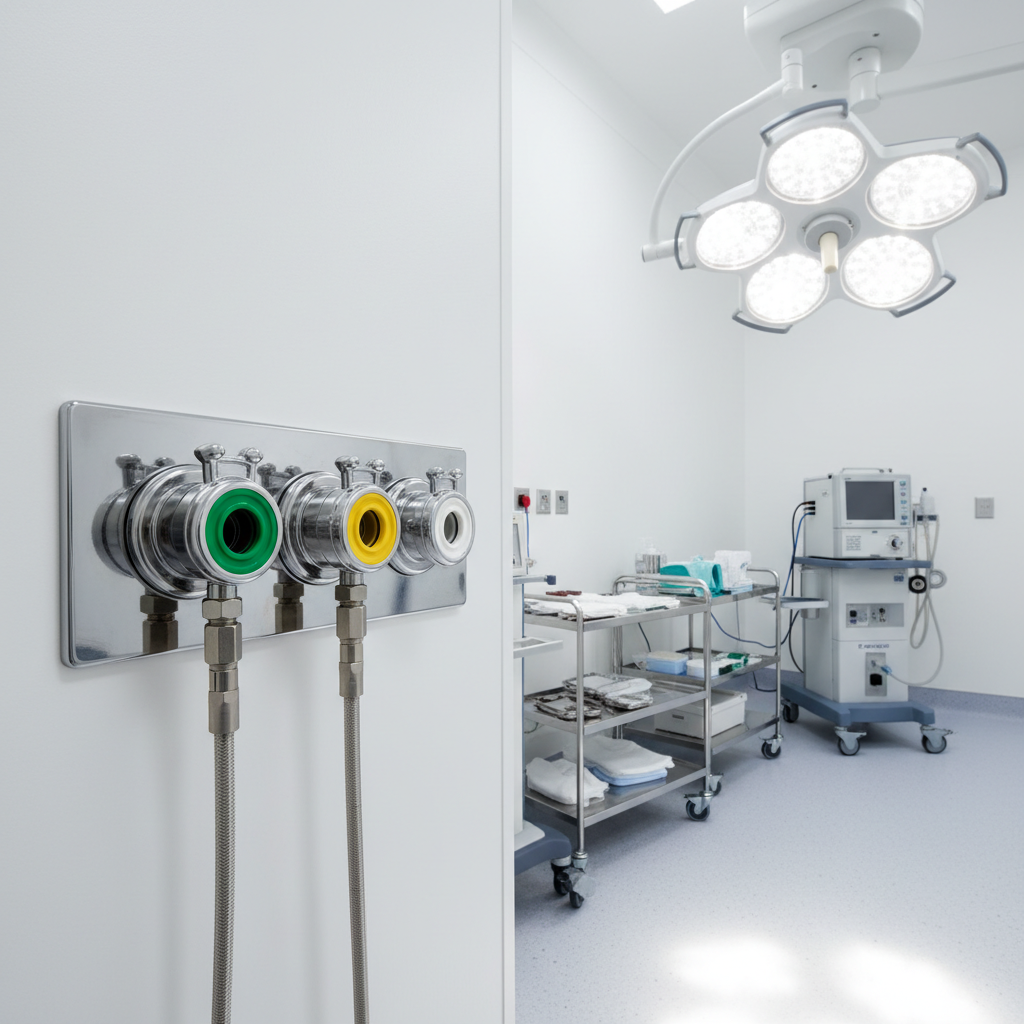
Understanding the Scope: Medical Gas Systems in an ASC
A medical gas system in an ASC is more than just pipes in the wall. It's a complete, integrated network designed to deliver specific gases and vacuum service from a central supply source to various patient care locations. For a typical Raleigh-area surgery center, this includes:
- Oxygen (O2): For patient respiration.
- Nitrous Oxide (N2O): For analgesia and anesthesia.
- Medical Air (MA): A compressed air source for patient respiration and powering tools.
- Surgical Vacuum (VAC): For suctioning fluids and debris during procedures.
- Waste Anesthetic Gas Disposal (WAGD): To safely remove exhaled anesthetic gases from the operating room.
Depending on the specific procedures your ASC will offer, other gases like Nitrogen (N2) for powering surgical tools or Carbon Dioxide (CO2) for insufflation might also be necessary.
Why this matters for compliance: NFPA 99, Health Care Facilities Code, is the primary standard governing these systems. It defines the risk categories (Category 1, 2, or 3) for your facility, which dictates the specific design, installation, and testing requirements. Most ASCs fall under Category 1, as a failure of the medical gas system could result in major injury or death.
Phase 1: Design and Engineering - The Blueprint for Compliance
Before a single pipe is installed, a comprehensive design must be developed by a qualified professional. This phase is critical for ensuring the system meets both clinical needs and stringent code requirements.
Sizing the System: Source Equipment and Piping
Proper sizing is paramount. An undersized system can lead to pressure drops and inadequate flow, compromising patient safety. An oversized system results in unnecessary expense.
- Source Equipment: This includes the main supply, such as an oxygen manifold, a vacuum pump, and a medical air compressor. The size and type are determined by the number of terminals, the diversity factor (how many outlets are used simultaneously), and the required flow rates for your specific surgical equipment.
- Piping Network: Pipe diameters must be calculated to maintain required pressure and flow at the furthest terminal. The design must account for the total length of the pipe run, the number of fittings, and the facility's layout.
- Alarms: The design must incorporate master alarms, area alarms, and local alarms as required by NFPA 99 (Chapter 5). These provide audible and visual warnings of system failures.
Material and Code Specifications
All materials and installation practices are strictly dictated by code:
- Piping: All medical gas piping must be seamless copper tube, Type L or K, cleaned for oxygen service, and clearly labeled.
- Fittings: Must be wrought copper and brazed using a specific silver alloy (bagging with a nitrogen purge).
- Valves: Zone valve boxes must be installed to isolate specific areas of the facility for maintenance or emergencies without shutting down the entire system.
Partnering with a firm like Medical Testing Solutions ensures your design phase is handled by experts familiar with both NFPA 99 and North Carolina state-specific building codes.
Phase 2: Installation by ASSE 6010 Certified Professionals
Once the design is approved, the physical installation begins. This work must be performed by individuals holding an ASSE 6010 Medical Gas Systems Installer certification. This certification is not optional; it is a core requirement of NFPA 99.
Key installation steps include:
- Brazing and Purging: All joints are brazed while an inert nitrogen purge flows through the pipe. This prevents the formation of carbonaceous scale (copper oxide) on the interior surface, which could otherwise be dislodged and harm patients or damage equipment.
- Labeling: Pipes must be labeled with the gas name and direction of flow at specific intervals and at every valve and change of direction.
- Support and Securing: The piping network must be properly supported to prevent sagging and stress on the joints.
- Terminal Placement: Outlets for gases like oxygen, medical air, and vacuum must be installed at precise locations in operating rooms and recovery bays as specified in the design.
Using uncertified personnel for this critical work is a major compliance risk and can lead to catastrophic system failures. Ensure you request and validate the ASSE 6010 credentials of every installer on your project.
For a deeper dive into this specialized work, see our guide on medical gas installation.
Phase 3: ASSE 6030 Verification - The Final Check
After the installation is complete, but before the walls are closed up, the system must be rigorously tested by a third-party ASSE 6030 Medical Gas Verifier. This is arguably the most important step in the entire process. The verifier acts as an independent inspector, confirming that the system is safe, pure, and ready for patient use.
This verification process is exhaustive and includes:
- Initial Blowdown: Cleaning the pipes of any construction debris with high-pressure nitrogen.
- Pressure Testing: Ensuring the system can hold pressure without any leaks.
- Cross-Connection Testing: Confirming that gases are flowing to the correct terminals (e.g., oxygen only comes out of the oxygen outlet).
- Purity and Particulate Testing: Analyzing the gas at each outlet to ensure it meets the purity requirements of USP and is free of contaminants.
- Alarm Testing: Verifying that all master and area alarms function correctly.
The verifier documents every test and provides a comprehensive report. This documentation is required by the Authority Having Jurisdiction (AHJ) for your certificate of occupancy.
Medical Testing Solutions provides expert, third-party medical gas verification services to ensure your new system is 100% compliant and patient-safe.
Comparing Medical Gas System Components
When planning your ASC, you'll choose between various manufacturers for source equipment. Here is a general comparison of major components.
| Component | Key Considerations | Common Brands | NFPA 99 Chapter |
|---|---|---|---|
| Medical Air Compressor | Oil-less vs. oil-free, scroll vs. reciprocating, capacity (SCFM) | Powerex, BeaconMedaes, Atlas Copco | 5.1.3.5 |
| Vacuum Pump | Claw vs. rotary vane, capacity (SCFM), single vs. multiplex | Powerex, Dekker, BeaconMedaes | 5.1.3.6 |
| Oxygen Manifold | Digital vs. analog, high-pressure vs. liquid, automatic switchover | Gentec, Harris, BeaconMedaes | 5.1.3.4 |
| Alarm Panels | Master vs. Area, digital touchscreen vs. LED, networking capability | TRI-TECH, Amico, BeaconMedaes | 5.1.9 |
Line Isolation Monitors (LIMs) in ASC Wet Locations
Operating rooms in an ASC are designated as "wet procedure locations." NFPA 99 requires these areas to be protected by either isolated power systems or GFCI outlets. Isolated power systems, which include Line Isolation Monitors (LIMs), are the industry standard for enhancing electrical safety and preventing micro-shock hazards.
- What a LIM does: A LIM continuously monitors the integrity of the ungrounded electrical system in the operating room. It alarms if a fault is detected that could potentially endanger the patient or staff, but it does not trip the breaker. This allows the procedure to continue safely while the issue is addressed.
- Testing Requirements: LIMs must be tested regularly as part of your facility's preventative maintenance program.
For more on this crucial safety component, visit our page on Line Isolation Monitor Testing.
Final Walk-Through and AHJ Sign-Off
With the ASSE 6030 verification report in hand, you are ready for the final inspection from the local Raleigh/Wake County AHJ. The inspector will review the verifier's report, check the physical installation against the approved plans, and witness the functionality of the alarm systems. Once the AHJ is satisfied that the installation meets all applicable codes (NFPA 99, local building codes), they will sign off on the medical gas system, allowing you to proceed toward opening your facility.
Your Partner for Compliant ASC Build-Outs in Raleigh
Building a new ambulatory surgery center is a major investment. Ensuring your medical gas system is installed correctly from the start is non-negotiable for patient safety and regulatory compliance. The team at Medical Testing Solutions has the expertise to guide you through every phase, from initial consultation to final, independent ASSE 6030 verification.
Don't leave your facility's compliance to chance. Contact us today to discuss your Raleigh-area project. Call us at (754) 315-1078 or request a quote online to partner with an ASSE-certified leader in medical gas services.
Frequently Asked Questions
The design should be completed by a qualified engineer or designer with specific experience in medical gas systems and NFPA 99. While not a strict requirement, an ASSE 6040 Medical Gas Systems Designer certification is a strong indicator of qualification.
For a typical ASC, the installation can take several weeks, depending on the size and complexity. The final verification process by an ASSE 6030 verifier usually takes 3-5 days of intensive on-site testing.
No. NFPA 99 requires the verification to be performed by a third-party agency, independent of the installer. This prevents conflicts of interest and ensures an unbiased assessment of the system's safety and compliance. Medical Testing Solutions can act as your independent, third-party verifier.
Common failure points include small leaks in the piping (often from improper brazing), incorrect labeling, and cross-connections. These are almost always a result of using uncertified or inexperienced installers.
NFPA 99 requires regular maintenance and testing of all medical gas system components, including source equipment, alarms, and outlets. This includes annual medical gas inspections to ensure continued compliance and patient safety.
If your ASC has a dental or oral surgery component using nitrous oxide, you must also ensure the flowmeter equipment is calibrated and maintained correctly. See our guide on dental flowmeter repair and calibration for specific requirements.
Request a quote for your facility
Talk with Medical Testing Solutions about your next inspection, repair or equipment request.