Proper medical gas installation is a foundational element of any new Ambulatory Surgery Center (ASC). For a ground-up build in Norfolk, Virginia, getting the medical gas systems right from day one is not just a matter of operational efficiency; it’s a critical patient safety and regulatory compliance mandate. This comprehensive guide walks you through the entire lifecycle of an ASC medical gas installation, from initial design considerations and code requirements to the final verification and Authority Having Jurisdiction (AHJ) sign-off. You will learn the key phases, critical standards, and essential questions to ask to ensure your facility’s medical gas infrastructure is safe, compliant, and ready for patient care.
Medical Gas Service
Medical Gas Installation
Compliance & Standards
Ambulatory Surgery Center Medical Gas Install in Norfolk, VA: A Complete Guide
Medical Testing SolutionsOctober 17, 20266 min read
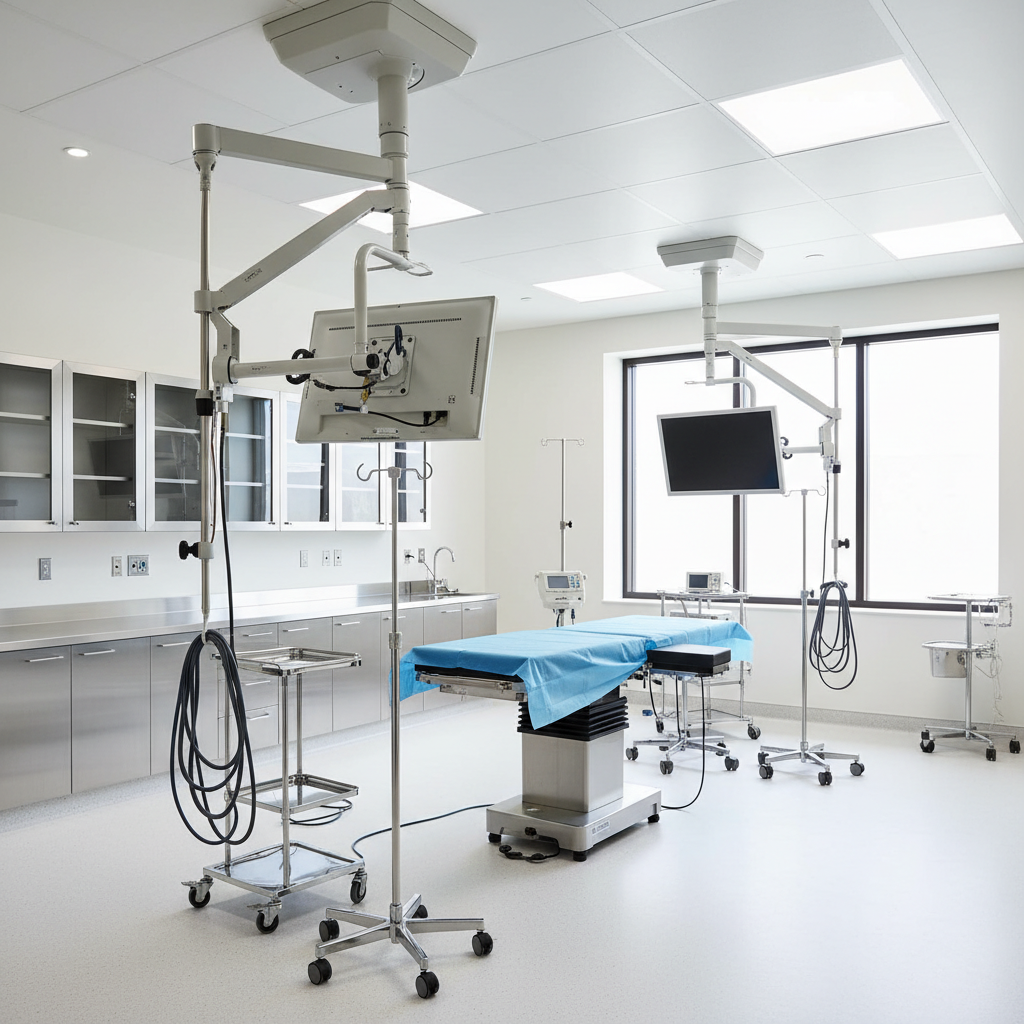
Understanding the Scope: Medical Gases in an ASC Setting
Unlike a standard commercial building, an ASC requires a complex network of medical gas and vacuum systems to support various procedures, from minor surgeries to specialties like gastroenterology and orthopedics. A typical installation will include:
- Oxygen (O2): The most common medical gas, used for patient resuscitation and respiratory support.
- Medical Air (MA): A purified, compressed air source used for patient breathing and to power surgical tools.
- Nitrous Oxide (N2O): Primarily used as an analgesic and anesthetic agent, especially in dental and minor surgical procedures.
- Vacuum (VAC): A critical system for waste anesthetic gas disposal (WAGD) and surgical suction.
- Carbon Dioxide (CO2): Often used for insufflation during laparoscopic or endoscopic procedures.
- Nitrogen (N2): Used to power pneumatic surgical equipment like saws and drills.
Each gas has a dedicated pipeline, color-coded and clearly labeled as specified by the National Fire Protection Association (NFPA). The entire system, from the source equipment to the patient-facing outlets, must be designed and installed as a cohesive, leak-free, and contaminant-free unit.
Phase 1: Design & Engineering - The Blueprint for Compliance
The design phase is arguably the most critical stage. Mistakes made here can lead to costly change orders, construction delays, and long-term operational headaches. A successful design for an ASC in Norfolk begins with a collaborative effort between the architect, MEP (Mechanical, Electrical, Plumbing) engineer, and a certified medical gas specialist.
Key Design Considerations:
- Procedure Room Layout: The number and type of procedure rooms will determine the quantity and placement of medical gas outlets (e.g., wall-mounted, ceiling columns, booms).
- Source Equipment Sizing: The central source equipment (manifolds, air compressors, vacuum pumps) must be correctly sized to meet the facility's peak demand, with redundancy built-in as per NFPA 99 requirements.
- NFPA 99 Compliance: This is the foundational code governing medical gas systems. Your design must adhere to its stringent requirements for materials, installation practices, and testing. Specifically, Chapter 5 of NFPA 99 outlines the standards for Level 1, 2, and 3 gas and vacuum systems, with ASCs typically falling under Level 1 or 2.
- Alarm System Integration: A master alarm system is required to monitor the status and pressure of all medical gas sources. The design must specify the location of master alarms, area alarms (for critical care areas), and local alarms as required by NFPA 99, Section 5.1.9.
Why this matters for compliance: A poorly designed system will fail verification. Engaging a certified ASSE 6010 installation provider like Medical Testing Solutions early in the design phase ensures that the plans and specifications are fully compliant with NFPA 99 and local Virginia codes before a single pipe is installed, preventing costly rework.
Phase 2: Installation - The ASSE 6010 Standard in Action
Once the design is finalized and approved, the physical installation begins. This work must be performed by brazers and installers who hold an ASSE 6010 Medical Gas Systems Installer certification. This certification ensures that the technicians have been trained and have demonstrated proficiency in the specific techniques required for medical gas piping.
Core Installation Steps:
- Piping Installation: All piping must be medical-grade, cleaned for oxygen service, and installed using specific techniques. Brazing, the process of joining pipes, is a critical skill. Every joint must be continuously purged with oil-free, dry nitrogen to prevent the formation of contaminants inside the pipe.
- Source Equipment Placement: Manifolds, compressors, and vacuum pumps are installed in a dedicated, properly ventilated room, typically on the ground floor or roof.
- Outlet and Valve Installation: Terminal outlets, zone valve boxes, and in-line valves are placed according to the design specifications.
All work must be meticulously documented. For a comprehensive overview of the installation process, see our guide on Medical Gas Installation.
Phase 3: Verification - The ASSE 6030 Proof of Performance
After the installation is complete, but before the walls are closed and the system is used for patient care, it must undergo a rigorous, independent, third-party verification. This is not optional; it is mandated by NFPA 99 and is a prerequisite for AHJ sign-off.
This verification must be performed by an ASSE 6030 Medical Gas Systems Verifier who is independent of the installer. Medical Testing Solutions provides this crucial third-party medical gas verification service, ensuring an unbiased and thorough assessment of the system's safety and compliance.
The Verification Process Includes:
- Initial Blowdown: High-volume nitrogen purge to remove any particulate matter left from construction.
- Pressure Testing: The system is pressurized to 150% of its normal operating pressure to check for leaks in the piping.
- Gas Purity and Identity: Each outlet is tested to ensure the correct gas is flowing and that it meets the purity requirements of the United States Pharmacopeia (USP).
- Alarm System Testing: Every alarm, master, area, and local, is activated to ensure it functions correctly.
- Flow and Pressure Checks: Verifying that each outlet delivers the specified flow and pressure.
| Verification Test | NFPA 99 Reference (Chapter 5) | Purpose |
|---|---|---|
| Standing Pressure Test | 5.1.12.2.3 | Checks for leaks in the piping system under pressure. |
| Cross-Connection Test | 5.1.12.3.3 | Ensures gas-specific connections are correct and no gas is flowing to the wrong system. |
| Particulate Test | 5.1.12.3.5 | Verifies that the system is free of construction debris and other particulates. |
| Purity Test | 5.1.12.3.6 | Confirms the gas meets USP standards for oxygen, N2O, and medical air purity. |
| Alarm Testing | 5.1.12.3.9 | Confirms that all master, area, and local alarms function as designed. |
Phase 4: Certification and AHJ Sign-Off
Once the ASSE 6030 Verifier completes their testing and finds the system to be 100% compliant, they will issue a formal certification report. This report is the key document you need to present to the Authority Having Jurisdiction (AHJ) in Norfolk, Virginia, typically the local fire marshal or building inspector.
The AHJ will review the verification report as part of their final inspection process. A clean report from a reputable, certified verifier like Medical Testing Solutions smooths this process, leading to a faster Certificate of Occupancy and allowing your ASC to open on schedule.
Upon successful inspection and sign-off, you will receive your medical gas certification, the official documentation stating your system is safe for patient use.
Maintaining Compliance: Annual Inspections and Maintenance
Installation and certification are not the end of the road. NFPA 99 requires that all medical gas systems be inspected annually by a qualified party. Regular inspections and preventative medical gas maintenance are essential to ensure the system remains safe and reliable over the life of the facility.
Frequently Asked Questions
Only technicians holding an ASSE 6010 Medical Gas Systems Installer certification are qualified. The company they work for should also be properly licensed and insured for this specialized work.
No. NFPA 99 explicitly requires that the verification be performed by an independent, third-party ASSE 6030 Verifier who was not involved in the installation. This prevents conflicts of interest.
For a new ASC, verification can take anywhere from a few days to a week, depending on the size and complexity of the facility. It is a meticulous process that cannot be rushed.
Common failure points include small leaks at brazed joints, incorrect labeling on zone valve boxes or outlets, and cross-connections. These are almost always due to an unqualified or inexperienced installer.
Yes, if you have designated "wet procedure locations" as defined by NFPA 99. LIM systems are critical for electrical safety in these areas. For more details, see our resources on Line Isolation Monitor testing.
NFPA 99 mandates annual medical gas inspections. Additionally, source equipment like air compressors and vacuum pumps require regular preventative maintenance as specified by the manufacturer.
Request a quote for your facility
Talk with Medical Testing Solutions about your next inspection, repair or equipment request.