Ambulatory Surgery Center Medical Gas Install in Naples, FL: A Complete Guide
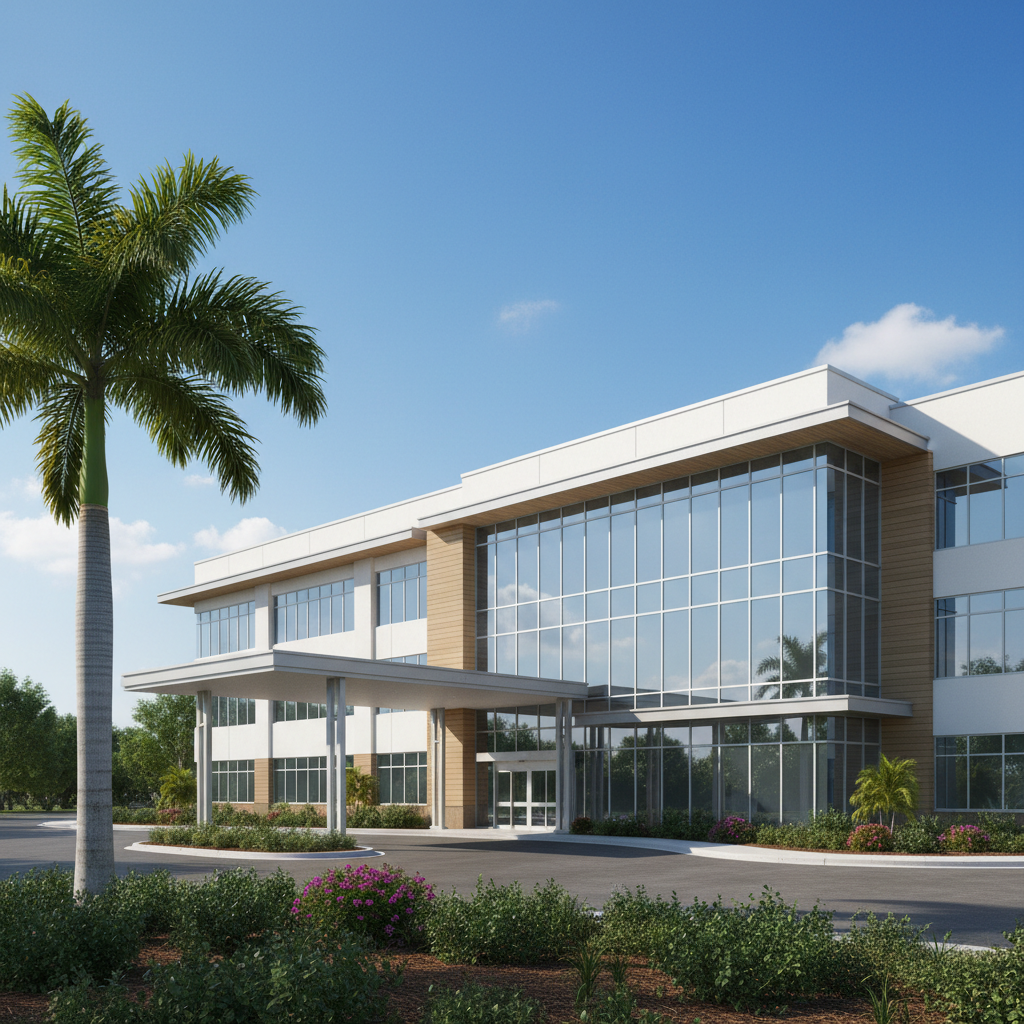
Building a new Ambulatory Surgery Center (ASC) in Naples, Florida, is a complex undertaking. Among the most critical systems you will install is the medical gas network—the lifeblood of your operating rooms and recovery areas. A properly designed, installed, and verified system is not just a best practice; it's a strict requirement for patient safety, licensure, and avoiding costly delays. For ASC developers in Collier County, navigating the maze of codes from NFPA, ASSE, and Florida-specific agencies like AHCA can be daunting.
This definitive guide walks you through the entire process of an ASC medical gas installation in Naples. We'll cover system design, the roles of ASSE 6010 installers and ASSE 6030 verifiers, Florida's unique regulatory landscape, and how choosing a local partner can save you significant time and money. Medical Testing Solutions (MTS), headquartered in Fort Lauderdale, specializes in this exact process, providing end-to-end services across the state.
Why a Compliant Medical Gas System is Non-Negotiable for Naples ASCs
A medical gas system delivers critical gases like Oxygen and Medical Air and removes waste gases like WAG and vacuum. Any failure—from incorrect gas concentration to a loss of pressure—can have catastrophic consequences for patients. For this reason, the standards governing these systems are among the most stringent in healthcare construction.
In Florida, compliance has several layers:
- Patient Safety: First and foremost, the system must be 100% safe for patient use. This means correct gas, correct pressure, and zero contaminants.
- State Licensure: The Florida Agency for Health Care Administration (AHCA) will not issue a license to operate without proof of a compliant medical gas system verification.
- Accreditation: Accrediting bodies like The Joint Commission (TJC) have their own standards for medical gas systems that must be met for a facility to gain and maintain its credentials.
- Liability: An improperly installed system represents a massive legal and financial liability for the facility owners and operators.
The Medical Gas Build-Out: From Blueprint to Patient-Ready
A ground-up medical gas installation is a multi-phase project that must be carefully coordinated with your general contractor's schedule. It involves certified professionals at every stage to ensure compliance.
Phase 1: System Design & Engineering
Before any pipe is laid, a qualified engineer must design the system based on the ASC's specific needs. This includes:
- Calculating Demand: Determining the number of outlets, required flow rates, and peak usage for gases like Oxygen, Medical Air, Nitrous Oxide, and Vacuum.
- Sizing Pipe: Ensuring pipes are correctly sized to maintain pressure and flow across the entire facility.
- Source Equipment Selection: Choosing appropriately sized manifolds, air compressors, and vacuum pumps.
- Code Compliance: Designing the system to meet the rigorous standards of the NFPA 99 Health Care Facilities Code.
Phase 2: ASSE 6010 Certified Installation
Once the design is approved, the physical installation begins. This work must be performed by or under the supervision of an individual holding an ASSE 6010 Medical Gas Systems Installer certification. This is not a suggestion; it's a requirement.
The installation team will:
- Rough-in all copper piping according to the blueprints.
- Braze all joints, followed by a nitrogen purge to prevent internal oxidation.
- Install source equipment, zone valve boxes, and alarm panels.
- Install terminal outlets in operating rooms, pre-op, and recovery bays.
As a Florida-based company, Medical Testing Solutions provides ASSE 6010 certified installers throughout the state. Our Fort Lauderdale headquarters at 501 E Las Olas Blvd, Ste 300 means our Naples clients never pay travel fees, lodging, or per-diem—a significant cost advantage.
Phase 3: ASSE 6030 System Verification
This is the single most important step before the system can be used. An ASSE 6030 Medical Gas Systems Verifier—a third-party inspector who is independent of the installer—conducts a battery of tests to ensure the system is safe and compliant. This process is detailed in our medical gas verification services.
Verification tests include:
- Checking for cross-connections.
- Verifying correct gas at each outlet.
- Testing for purity and dew point.
- Confirming all pressures and flow rates meet design specifications.
- Testing the function of all warning and alarm systems.
Why this matters for compliance: AHCA requires a complete, successful verification report from an ASSE 6030 verifier before an ASC can be licensed. This independent, third-party check is a facility's proof that the system was installed correctly and is safe for patient use.
Navigating Florida's Specific Medical Gas Regulations
While NFPA 99 provides the national standard, Florida has its own set of rules managed by AHCA. Any ASC in Naples must comply with these local requirements.
- AHCA Forms: The final verification report must satisfy the requirements outlined in AHCA Office of Plans and Construction (OPC) Form 3110.
- Florida Administrative Code: Chapter 59A of the Florida Administrative Code contains specific rules for hospital and ASC construction and safety.
- Hurricane Preparedness: NFPA 99 section 5.1.12 requires re-verification of the system after any shutdown or loss of pressure, which can occur during a hurricane. Being in Naples, having access to a local Florida team is critical. Our South Florida crews can mobilize quickly after a storm to re-test your system and get your ASC operational again, a significant advantage over out-of-state competitors.
We have experience working with major Florida hospital systems like Baptist Health and Cleveland Clinic Florida, and we understand the state's unique regulatory environment intimately.
The Florida Advantage: Choosing a Local Medical Gas Partner
For any construction project, budget is key. When it comes to the specialized work of medical gas installation and verification, choosing a Florida-based company offers substantial savings.
| Feature | Medical Testing Solutions (Florida-Based) | Out-of-State Competitor |
|---|---|---|
| Travel & Airfare Fees | $0 | $1,000 - $2,000 |
| Hotel / Lodging Costs | $0 | $150 - $300 / night |
| Per-Diem / Meal Fees | $0 | $50 - $75 / day |
| Total Savings | 10-25% on average | N/A |
| AHCA Familiarity | Expert-level | Varies |
| Post-Hurricane Response | Same-day dispatch available | Days or weeks |
By leveraging our local teams from our Fort Lauderdale and South Florida hub, MTS eliminates thousands of dollars in pass-through travel costs, directly benefiting your bottom line.
Post-Installation: Annual Testing & Ongoing Compliance
Once your ASC is operational, your medical gas system requires ongoing attention. The Joint Commission and NFPA 99 mandate regular inspections and maintenance to ensure continued safety and performance.
Medical Testing Solutions provides comprehensive annual medical gas inspections and preventative maintenance programs to keep your Naples facility compliant and patient-ready year after year.
Your Partner for Compliant ASC Construction in Naples
Building a new ambulatory surgery center is a massive investment. Don't let a non-compliant medical gas system derail your timeline or budget. Partner with a local, certified, and experienced team that understands the specific demands of the Florida healthcare landscape.
From initial design consultation to final verification and ongoing maintenance, MTS provides a single source of truth for your medical gas needs. Call our Fort Lauderdale office today at +1 (754) 315-1078 to discuss your project or request a free quote online.
Frequently Asked Questions (FAQs)
Q: What is the main difference between an ASSE 6010 installer and an ASSE 6030 verifier?A: An ASSE 6010 certified professional is qualified to install medical gas systems. An ASSE 6030 certified professional is qualified to test and verify that the system was installed correctly and is safe for patients. NFPA 99 requires the verifier to be independent of the installer to ensure impartiality.
Q: How long does a full medical gas installation take for a new ASC?A: The timeline varies depending on the size and complexity of the surgery center, but it typically spans several weeks to a few months and must be carefully coordinated with the master construction schedule.
Q: Why is it cheaper to use a Florida-based company like MTS for a Naples project?A: As a Florida-based company headquartered in Fort Lauderdale, we eliminate all travel-related expenses like airfare, lodging, and per-diem fees that out-of-state firms must bill to their clients. This commonly results in savings of 10-25%.
Q: What happens if my facility in Naples is affected by a hurricane?A: NFPA 99 (5.1.12) requires that the medical gas system be re-verified after an extended shutdown, loss of pressure, or potential damage from a storm. Our South Florida crews can be dispatched quickly to perform the necessary testing and get your ASC back in service safely.
Q: Can the same company perform both the installation and the verification?A: Yes, a company can employ both certified installers and verifiers. However, NFPA 99 mandates that the individual who performs the final verification (ASSE 6030) cannot be the same individual who supervised the installation (ASSE 6010) to prevent a conflict of interest.
'''
This article is provided for educational purposes and reflects industry standards as of publication. Always verify against current NFPA 99, CGA, and AHJ requirements. Medical Testing Solutions is ASSE-certified and ready to help — contact us for facility-specific guidance.
Need Medical Gas Services?
Contact our certified team for inspections, verifications, installations, and more.
Get a Free Quote