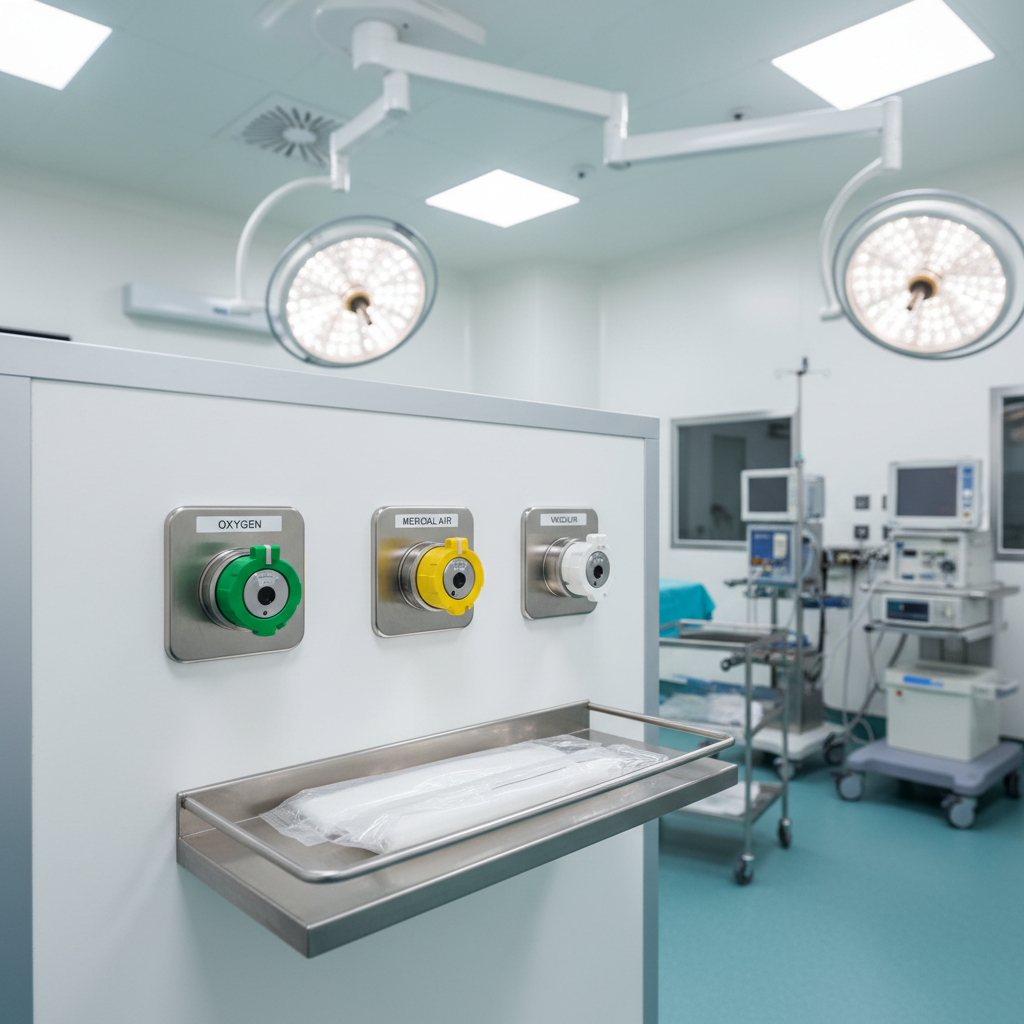
Ambulatory Surgery Center Medical Gas Install in Lynchburg, VA
Medical Testing SolutionsOctober 18, 20267 min read
Share
Ambulatory Surgery Center Medical Gas Install in Lynchburg, VA: A Ground-Up Guide
Building a new Ambulatory Surgery Center (ASC) in Lynchburg, Virginia, is a complex undertaking. Among the most critical systems you'll design and install is the medical gas infrastructure. This network of pipes, outlets, and source equipment is the lifeblood of your facility, delivering essential gases like oxygen, medical air, and nitrous oxide to your operating rooms and recovery areas. A compliant, properly installed system is non-negotiable for patient safety and regulatory approval.
This guide provides a definitive overview of the entire process, from initial blueprints to the final sign-off by the Authority Having Jurisdiction (AHJ). We will walk through the critical design considerations, installation standards, verification procedures, and compliance requirements you need to know. Whether you are a project manager, facility director, or clinical lead, you will gain a clear understanding of what a successful ASC medical gas installation entails.
1. The Foundation: Design & Pre-Construction Planning
Before a single pipe is laid, a meticulous design and planning phase is essential. This stage ensures your medical gas system is sized correctly, compliant with all relevant codes, and tailored to your facility's specific clinical needs. Rushing this phase often leads to costly change orders and delays down the road.
Key Design Considerations:
Clinical Needs Assessment: What types of procedures will your ASC perform? The number and type of anesthetizing locations, operating rooms, and recovery bays directly determine the required flow rates, gas types, and outlet placements.
Source Equipment Sizing: Your central supply systems, such as an oxygen manifold, a medical air compressor, and a vacuum pump, must be sized to meet the peak calculated demand of the facility. Undersized systems can fail under load, while oversized systems waste capital and operational budget.
Pipe Routing and Layout: The piping distribution plan must be carefully coordinated with other trades (HVAC, electrical, plumbing) to avoid conflicts. The layout must ensure proper pipe sloping and support, as mandated by NFPA 99.
Alarm Placement: Master alarm panels, area alarm panels, and local alarms must be strategically placed to be continuously monitored by clinical staff, as required by NFPA 99, Section 5.1.9.
Why This Matters for Compliance: A properly documented design, signed and stamped by a qualified engineer, is the first thing the AHJ will ask for. It demonstrates that you have considered the stringent requirements of the NFPA 99, Health Care Facilities Code, from the very beginning. Failure to produce compliant plans can halt a project before it starts.
2. Code Compliance: Navigating NFPA 99 and ASSE Standards
Medical gas systems are among the most heavily regulated systems in a healthcare facility for one simple reason: patient safety. Adherence to national and local codes is not optional. For an ASC in Lynchburg, you must primarily focus on the NFPA 99 code, which is the foundational document for these systems.
Core Compliance Standards:
NFPA 99: This is the master code. For a new build, you'll be working with the most recently adopted edition in your jurisdiction. Key chapters include Chapter 5, "Gas and Vacuum Systems," which covers everything from source equipment and pipelines to alarms and terminals.
ASSE 6000 Series: The American Society of Sanitary Engineering (ASSE) provides personnel certifications that are critical for a compliant installation. You must ensure your installers and verifiers hold the appropriate credentials:
ASSE 6010: Certified Medical Gas Systems Installer
ASSE 6030: Certified Medical Gas Systems Verifier
Compressed Gas Association (CGA): The CGA provides detailed pamphlets on the safe handling of specific gases, such as CGA P-2 for oxygen and CGA P-9 for medical air.
Medical Testing Solutions (MTS) provides ASSE 6010 certified technicians who specialize in building code-compliant medical gas systems for ASCs and other healthcare facilities across Virginia.
3. The Build-Out: ASSE 6010 Installation Process
The physical installation is where the blueprints become reality. This work must be performed by qualified professionals holding an ASSE 6010 certification. The process is methodical and requires extreme attention to detail.
Step-by-Step Installation Phases:
Rough-In: This involves installing the main distribution piping throughout the facility, from the source equipment room to the points of use. All pipes must be medical-grade copper (Type K or L), cleaned for oxygen service, and clearly labeled with the gas name and flow direction.
Brazing: All joints in copper piping must be brazed, not soldered. During brazing, an inert gas (typically nitrogen) must be continuously purged through the pipe. This "nitrogen purge" displaces oxygen, preventing the formation of toxic copper oxides on the interior pipe surface.
Source Equipment Installation: The main supply equipment is installed. This includes the medical air compressor, vacuum pump, manifolds for cylinder gases, and any bulk storage tanks.
Zone Valve Box & Alarm Installation: Zone valve boxes are installed to isolate specific areas or rooms for maintenance or emergencies. Area alarm panels are wired and mounted in nurses' stations or other monitored locations.
Finishing: Once the walls are closed, the final components are installed. This includes connecting the headwall assemblies, ceiling columns, and wall outlets to the roughed-in piping.
Standard Comparison: Brazing vs. Soldering
Why It's Required for Medical Gas
Brazing (NFPA 99 Mandated)
Creates a high-strength bond at high temperature (>840°F). When performed with a nitrogen purge, it leaves a clean, oxide-free interior surface, preventing contamination of the gas stream.
Soldering (Prohibited)
Uses lower-melting-point fillers that can contain lead or other contaminants. The fluxes required can introduce corrosive agents into the system, and it lacks the joint strength of a brazed connection.
4. The Critical Final Step: ASSE 6030 Verification
After the installation is complete, but before the system is used for patient care, it must undergo a rigorous, independent inspection and testing process. This is known as medical gas verification. This process must be performed by a third-party agency (not the installer) employing ASSE 6030 certified verifiers.
The verifier's job is to ensure the system is safe, compliant, and functioning exactly as designed. The verification includes a battery of tests:
Initial Blowdown: High-volume nitrogen is flushed through the newly installed piping to remove any particulate debris left over from construction.
Piping Purge Test: Verifies that the nitrogen purge during brazing was effective and that no interior oxidation occurred.
Pressure Testing: The system is pressurized (typically to 150 psi) to ensure there are no leaks in the piping network.
Gas Concentration & Purity Testing: Each outlet is tested to confirm it delivers the correct gas at the specified concentration and is free from contaminants.
Cross-Connection Test: This is a critical test to ensure that, for example, the pipe labeled "Oxygen" is actually connected to the oxygen supply and not inadvertently crossed with medical air or another gas.
Alarm & Warning System Testing: Every master alarm, area alarm, and local alarm is systematically tested to confirm it functions correctly.
Upon successful completion, the verifier provides a comprehensive report. This documentation is essential for obtaining your Certificate of Occupancy.
Your responsibility doesn't end after the initial AHJ sign-off. NFPA 99 requires ongoing inspection, testing, and maintenance to ensure the system remains safe and reliable over its lifespan. For an ASC, this typically involves:
Annual Medical Gas Inspections: A comprehensive check of all system components, including source equipment, alarms, and outlets. This should be performed by a qualified outside vendor like Medical Testing Solutions.
Regular Maintenance: Following the manufacturer's recommended service schedule for compressors, pumps, and other dynamic equipment.
Documentation: Keeping meticulous records of all inspections, tests, and maintenance activities. This logbook is crucial for regulatory reviews.
Partnering with a certified service provider ensures your facility remains compliant and ready for unannounced inspections from bodies like The Joint Commission or AAAHC.
6. Partnering with a Certified Expert in Lynchburg, VA
For a project as complex and critical as an ASC medical gas installation, you need a partner with proven expertise and the right credentials. Medical Testing Solutions is a premier provider of medical gas services in Lynchburg and across Virginia. Our team of ASSE 6010 installers and ASSE 6030 verifiers has the experience to manage your project from design consultation to final certification.
We understand the unique challenges of building and operating an ASC and provide turnkey solutions that ensure safety, compliance, and long-term reliability. Our comprehensive services include not just installation and verification, but also ongoing maintenance programs and equipment sales.
Frequently Asked Questions
According to NFPA 99, medical gas systems must be installed by technicians who are certified to the ASSE 6010 standard. Using uncertified personnel can lead to catastrophic installation errors and will result in a failed verification.
The timeline varies with the size and complexity of the facility, but it typically spans several weeks to a few months. It must be carefully coordinated with the overall construction schedule, from the initial rough-in phase to the final verification after walls and ceilings are finished.
Verification is the specific third-party testing process (per ASSE 6030) performed on a new or modified system before it is put into service. Certification is a broader term that refers to the overall state of compliance; the verification report is a key document used to certify the system for patient use.
The most common piped gases in an ASC are Oxygen (O2), Medical Air (MA), and a Surgical Vacuum system (VAC). Depending on the surgical specialties, you may also have Nitrous Oxide (N2O) and Waste Anesthetic Gas Disposal (WAGD).
Only if their technicians hold a current ASSE 6010 Medical Gas Installer certification. Standard plumbing skills are not sufficient for the specific requirements of medical gas, such as brazing with a nitrogen purge and understanding the nuances of NFPA 99.
If the ASSE 6030 verifier finds any issues, such as leaks, cross-connections, or contamination, they will issue a detailed report of the deficiencies. The original installer must then correct all identified issues. The verifier will then re-test the affected parts of the system until it is 100% compliant. This process can cause significant project delays and cost overruns.
Request a quote for your facility
Talk with Medical Testing Solutions about your next inspection, repair or equipment request.