Skip to content
    New: Medical Gas Outlet Retrofit & Rebuild Matrix — cross-reference legacy Chemetron, Ohio Diamond, Puritan-Bennett & more →
    ASSE Certified 24/7
    Medical Gas Service
    Compliance & Standards

    Ambulatory Surgery Center Medical Gas Install in High Point, NC

    Medical Testing SolutionsOctober 15, 20269 min read
    Share
    Ambulatory Surgery Center Medical Gas Install in High Point, NC

    Ambulatory Surgery Center Medical Gas Systems: A Ground-Up Guide for High Point, NC Facilities

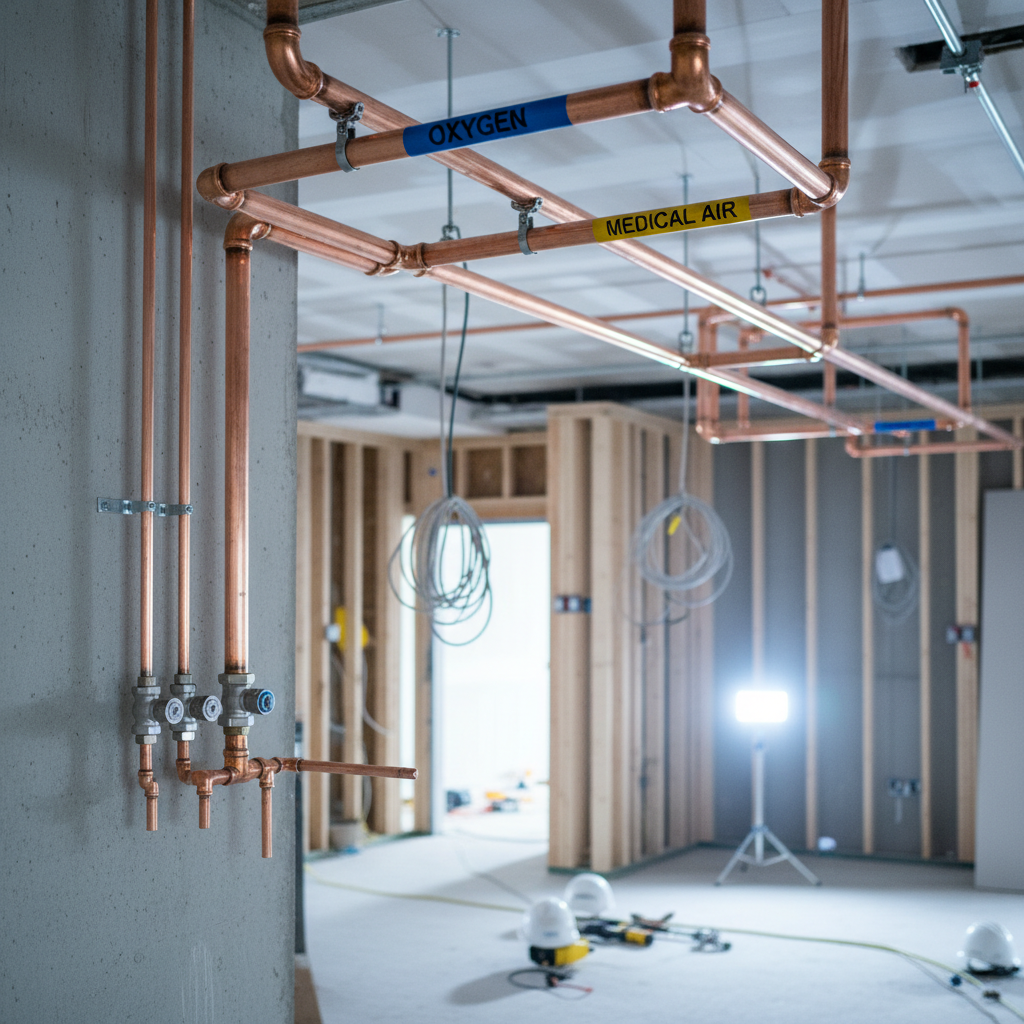
    Building a new Ambulatory Surgery Center (ASC) is a monumental undertaking. Among the most critical systems you will install is the medical gas infrastructure. These pipelines are the lifeblood of your facility, delivering essential gases like oxygen, medical air, and nitrous oxide to operating rooms and recovery areas. For a successful ambulatory surgery center medical gas install in High Point NC, the system must be designed, installed, and verified with zero defects. A single misstep can compromise patient safety, delay your opening, and lead to costly rework.

    This guide provides a definitive overview of the entire process, from initial blueprints to final sign-off by the Authority Having Jurisdiction (AHJ). We will walk through the critical codes from the National Fire Protection Association (NFPA), the importance of ASSE 6000 series certifications for personnel, and the specific steps involved in a compliant installation. You will learn what to expect during design, installation, and final verification, ensuring your High Point ASC is equipped with a safe, reliable, and fully compliant medical gas system from the start.


    1. The Blueprint: NFPA 99 Design & Planning Phase

    Before a single pipe is laid, a compliant medical gas system begins on paper. The design phase is arguably the most critical, as it sets the foundation for the entire project. All design specifications are governed by the NFPA 99, Health Care Facilities Code, which outlines the minimum requirements for the safe installation, inspection, testing, and maintenance of medical gas and vacuum systems.

    For a new ASC, your facility will almost certainly fall under Category 1, as defined by the NFPA 99 risk assessment. This category applies to systems where failure is likely to cause major injury or death to patients or caregivers. This classification dictates the highest level of safety and redundancy.

    Key Design Considerations:

    • Source Equipment Sizing: Your mechanical engineer must accurately calculate the peak demand for each gas to size the source equipment (e.g., oxygen manifold, medical air compressor, vacuum pump) correctly. Undersizing leads to pressure drops and system failure, while oversizing results in unnecessary capital expense and energy consumption.
    • Pipeline Distribution: The layout must ensure proper pipe sizing to maintain required pressures and flow rates at the furthest terminal. The design must be coordinated with other trades to avoid conflicts with HVAC, electrical, and structural elements.
    • Alarm Placement: Master alarm panels (in a location of continuous surveillance) and area alarm panels (monitoring specific critical care areas) must be strategically placed as required by NFPA 99, Chapter 5.
    • Zone Valve Locations: Zone valve boxes must be strategically located to isolate specific zones or rooms in case of emergency or for maintenance, without shutting down the entire facility. Their placement must be immediately accessible and clearly labeled.
    • Material Selection: All piping must be medical-grade, seamless copper (Type K or L), cleaned for oxygen service, and installed using brazing techniques with a continuous nitrogen purge.

    Why this matters for compliance: A poorly designed system is a non-compliant system. The AHJ will review your engineering drawings against NFPA 99 requirements. Any deviations will halt the project before it begins. Engaging a firm like Medical Testing Solutions early in the design phase can prevent these costly mistakes.


    2. Assembling the Team: The Importance of ASSE 6000 Certified Personnel

    NFPA 99 is explicit about who is qualified to work on medical gas systems. Section 5.1.14 requires that all installation, inspection, and verification be performed by individuals certified to the American Society of Sanitary Engineering (ASSE) 6000 series standards. For a ground-up build, you will need personnel with at least two key certifications:

    • ASSE 6010 Medical Gas Systems Installer: This certification is required for the technicians physically installing the piping, source equipment, and alarms. They are trained in proper brazing techniques, material handling, and the specific requirements of NFPA 99.
    • ASSE 6030 Medical Gas Systems Verifier: This is the third-party agent responsible for inspecting and testing the completed installation to ensure it is safe and compliant. They act as an independent check on the installer's work. You cannot use the same company for both installation and verification on the same project.

    Hiring uncertified plumbers or mechanical contractors is a direct violation of code and a serious risk. At Medical Testing Solutions, our technicians hold these critical certifications, ensuring every medical gas installation we undertake meets the highest standards of safety and quality.


    3. The Build-Out: Step-by-Step Medical Gas Installation

    The physical installation is a meticulous process. Here’s what a typical workflow looks like for an ASC in High Point:

    1. Rough-In: After the designs are approved, certified installers begin running the main distribution lines from the source equipment room to the various zones. This involves cutting, fitting, and brazing Type K or L copper piping.
    2. Nitrogen Purge: During brazing, a continuous, low-pressure flow of nitrogen is maintained through the pipes. This displaces oxygen, preventing the formation of carbonaceous oxides on the interior pipe surface, which could otherwise be dislodged and harm patients or foul equipment.
    3. Initial Pressure Test: Once a section is completed, it undergoes an initial pressure test (NFPA 5.1.12.2.6) to check the integrity of the brazed joints before the walls are closed up.
    4. Terminal & Component Placement: Outlets, inlets, zone valve boxes, and alarm panels are mounted and connected to the pipework.
    5. Source Equipment Installation: The main source equipment, such as air compressors, vacuum pumps, and manifolds for bulk oxygen, is installed, connected, and prepared for startup.

    This entire process must be carefully documented, with records kept of installer certifications, material specifications, and pressure test results.


    4. The Final Check: ASSE 6030 Third-Party Verification

    Once the installer declares the system is complete, the third-party ASSE 6030 Verifier takes over. This is a non-negotiable step before any medical gas system can be used for patient care. The verifier’s job is to confirm that the system is safe, installed per the design, and meets all NFPA 99 requirements.

    Key Verification Tests (per NFPA 99, 5.1.12.3):

    • Purity & Contaminant Testing: The verifier will take gas samples from each outlet to test for purity, dew point, and the presence of hydrocarbons or other contaminants.
    • Cross-Connection Test: This critical test ensures that the gas delivered at the outlet is the gas specified. For instance, it confirms that connecting a device to an oxygen outlet doesn’t inadvertently deliver nitrogen.
    • Alarm & Valve Testing: Every master and area alarm is tested to ensure it activates at the correct pressure setpoints. Every zone and source valve is checked for correct operation and labeling.
    • Flow & Pressure Test: The verifier confirms that every terminal outlet provides the specified gas at the required pressure and flow rate.

    Medical Testing Solutions provides comprehensive medical gas verification services. Our ASSE 6030 certified verifiers provide the unbiased, detailed documentation you need to achieve compliance and gain approval from the AHJ.


    5. Medical Gas System Component Comparison

    When designing your system, you'll choose between various brands for key components. While your engineer will specify the performance requirements, understanding the landscape of major manufacturers is helpful.

    ComponentMajor BrandsKey DifferentiatorsNFPA 99 Reference (Chapter 5)
    Medical Air CompressorPowerex, BeaconMedaes, Atlas CopcoOil-less vs. oil-lubricated; scroll vs. reciprocating technology; package systems with dryers & receivers.5.1.3.5
    Vacuum PumpsPowerex, BeaconMedaes, DekkerClaw, rotary vane, or liquid ring technology; simplex vs. multiplex systems based on facility demand.5.1.3.6
    ManifoldsGentec, BeaconMedaes, HarrisManual, semi-automatic, or fully automatic changeover; high-pressure vs. cryogenic liquid sources.5.1.3.4
    Alarm PanelsTri-Tech Medical, BeaconMedaes, AmicoDigital vs. analog displays; network connectivity for remote monitoring (BACnet/IP).5.1.9

    6. AHJ Approval & Getting Your Certificate to Operate

    The final hurdle is presenting your complete documentation package to the Authority Having Jurisdiction (AHJ). In North Carolina, this could be the NC Department of Health and Human Services, Division of Health Service Regulation, along with local fire marshals and building code officials in High Point.

    The package must include:

    • The ASSE 6030 Verifier’s final report.
    • The ASSE 6010 Installer’s documentation.
    • Approved engineering drawings and submittals.
    • Source equipment startup and commissioning reports.

    Once the AHJ reviews and approves this package, they will give you the green light to use your medical gas systems for patient care, paving the way for your facility's grand opening.


    7. Post-Installation: Ongoing Maintenance & Inspection

    Your responsibility doesn’t end after the initial sign-off. NFPA 99 mandates a regular inspection and maintenance schedule to ensure the system remains safe and reliable throughout its lifecycle.

    • Annual Inspections: A comprehensive system-wide inspection should be performed by an ASSE 6040 certified Medical Gas Maintenance Person. This includes checking alarms, source equipment, and outlet performance.
    • Preventive Maintenance: Following manufacturer recommendations for your air compressor, vacuum pump, and other source equipment is critical. This is a service that a qualified firm like Medical Testing Solutions can manage through a medical gas maintenance program.
    • Documentation: Keep meticulous records of all maintenance, inspections, and repairs. This documentation is essential for regulatory compliance and will be reviewed during surveys by bodies like The Joint Commission or AAAHC.

    By establishing a proactive maintenance plan from day one, you can prevent unexpected downtime, ensure patient safety, and extend the life of your critical equipment.


    Your Partner for Compliant Medical Gas Systems in High Point

    Navigating the complexities of an ambulatory surgery center medical gas installation requires expertise and a deep understanding of NFPA and ASSE standards. From initial design consultation to certified installation and verification, Medical Testing Solutions is your single-source partner. Our ASSE-certified team ensures that your High Point, NC facility is built right, on time, and ready for patient care.

    Don't leave your most critical life-support system to chance. Contact us today to start the conversation.

    Ready to build? Request a quote for your medical gas installation project or call us at (754) 315-1078 to speak with a specialist.


    Frequently Asked Questions

    An ASSE 6010 Installer is certified to physically install medical gas piping and components. An ASSE 6030 Verifier is a certified third party who inspects and tests the completed system to ensure it meets NFPA 99 code and is safe for patient use. The same company cannot perform both roles on the same project.

    The timeline varies with the size and complexity of the facility but typically takes several weeks to a few months. It must be coordinated with the overall construction schedule. The rough-in happens before walls are closed, and final verification occurs after all construction is complete but before the facility opens.

    If a system fails verification, the ASSE 6030 verifier will issue a report detailing the deficiencies. The ASSE 6010 installer must then correct all issues. The verifier will then re-test the system (or the failed parts of it) until it is 100% compliant. This can cause significant delays and costs.

    A nitrogen purge is required by NFPA 99 (5.1.10.4.3) to displace oxygen from inside the copper pipes during brazing. This prevents the formation of black copper oxide flakes, which can contaminate the gas stream, damage patient ventilators, and pose a serious risk to patients.

    NFPA 99 requires periodic inspection and maintenance. It is an industry best practice and a requirement by accrediting organizations to have a full inspection performed by an ASSE 6040 certified technician at least annually. More details on annual medical gas inspections can be found on our service page.

    No. NFPA 99 (5.1.14) explicitly requires that anyone working on medical gas systems be certified to the appropriate ASSE 6000 standard. Using an uncertified plumber is a code violation, will fail verification, and jeopardizes patient safety.

    This article is provided for educational purposes and reflects industry standards as of publication. Always verify against current NFPA 99, CGA, and AHJ requirements. Medical Testing Solutions is ASSE-certified and ready to help — contact us for facility-specific guidance.

    Request a quote for your facility

    Talk with Medical Testing Solutions about your next inspection, repair or equipment request.

    Get a quote in 1 business day

    I agree to receive text messages from Medical Testing Solutions, L.L.C. at the phone number provided, including informational and marketing messages. Consent is not a condition of purchase. Message frequency varies. Message & data rates may apply. Reply STOP to opt out or HELP for help. See our Privacy Policy and Messaging Terms.

    Prefer to talk? Call (754) 315-1078

    Related articles