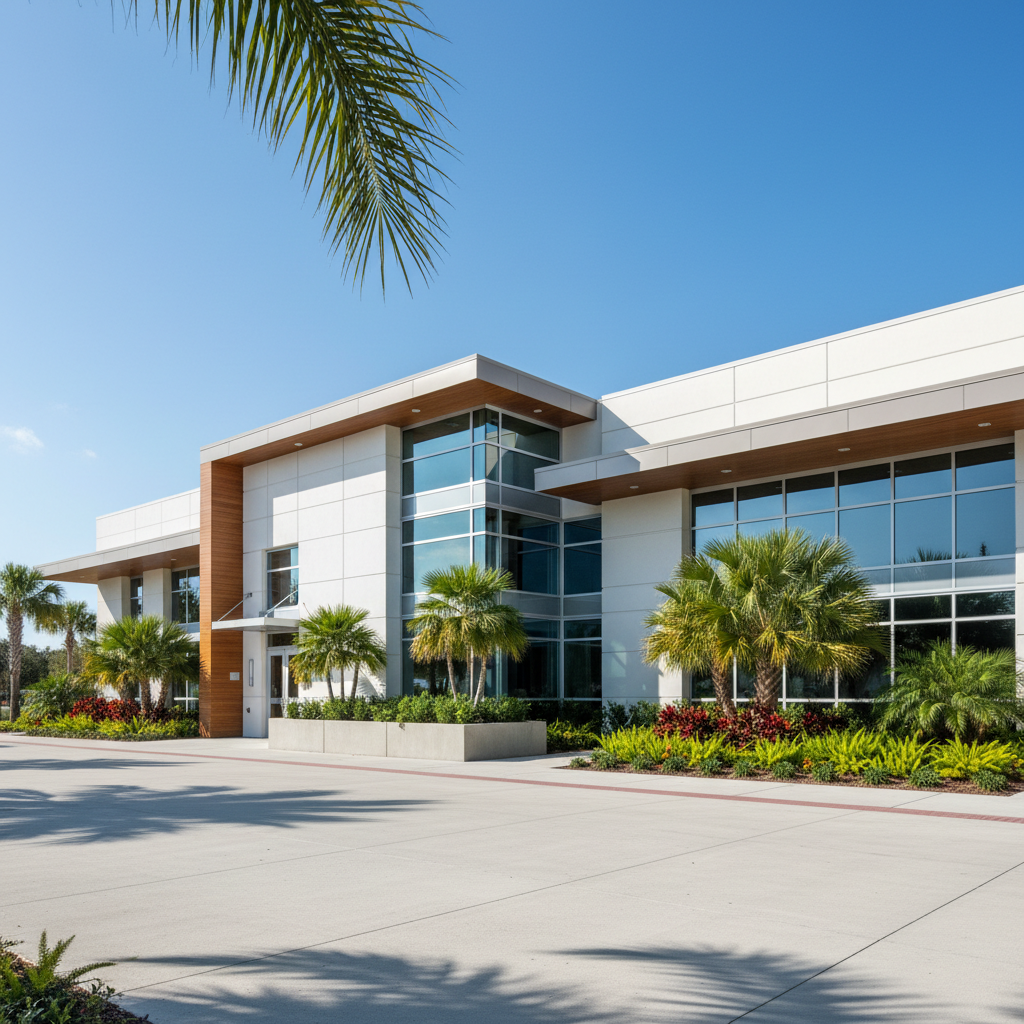
Ambulatory Surgery Center Medical Gas Install in Gainesville, FL
Medical Testing SolutionsJune 19, 20267 min read
Share
Building a new Ambulatory Surgery Center (ASC) in Gainesville, Florida, is a monumental undertaking. Among the most critical systems you will design and install is the medical gas infrastructure. This network of pipes, outlets, and source equipment is the lifeblood of your operating rooms, recovery areas, and procedure rooms, delivering vital gases like oxygen, medical air, and nitrous oxide. Getting it right from day one is not just a matter of operational efficiency, it's a fundamental requirement for patient safety and regulatory compliance.
This comprehensive guide walks you through the entire process of an ASC medical gas installation in the Gainesville area. From initial design concepts and navigating Florida-specific regulations to final system verification and Authority Having Jurisdiction (AHJ) sign-off, you will learn what it takes to build a compliant, reliable, and cost-effective medical gas system. We will cover code requirements, equipment choices, and the critical importance of partnering with a local, Florida-based team of ASSE-certified experts.
Why a Local Florida Partner is Crucial for Your Gainesville ASC
When planning a complex construction project like an ASC, the temptation to hire national firms can be strong. However, for medical gas systems in Florida, choosing a local partner offers significant, tangible advantages that directly impact your budget and project timeline.
Medical Testing Solutions (MTS), headquartered at 501 East Las Olas Blvd, Fort Lauderdale, FL 33301, is a premier provider of medical gas installation and verification services across the state. Our local presence means we understand the unique challenges and regulatory landscape of building healthcare facilities in Florida.
The Unbeatable Florida Cost Advantage
The single biggest benefit of using a Florida-based company is cost. Out-of-state firms must pass on significant overhead costs to their clients, including:
Airfare and Travel Fees: Flying technicians and verifiers in from other states.
Lodging Costs: Hotel stays for the duration of the project phase.
Per-Diem Expenses: Daily allowances for meals and incidentals.
These costs add up quickly. MTS clients throughout Florida typically save 10–25% on verification and installation services simply because we have NO travel fees, NO lodging costs, and NO per-diem charges anywhere in the state. Our ASSE-certified teams are dispatched directly from our offices, including our South Florida hub in Fort Lauderdale.
Deep Knowledge of AHCA and Local AHJs
Florida’s healthcare construction is regulated by the Agency for Health Care Administration (AHCA). All medical gas systems must be verified to meet the stringent requirements of AHCA O&M Policies, specifically OPS Form 3110, and Chapter 59A of the Florida Administrative Code. Our team works with these forms daily. We know what AHCA surveyors and local fire marshals in Alachua County look for, ensuring your documentation is perfect the first time, preventing costly delays.
Rapid Response for Hurricane Re-Verification
As every Floridian knows, hurricane season is a fact of life. NFPA 99 (5.1.12) mandates that a medical gas system must be re-verified by an ASSE 6030 verifier if it loses source pressure or sustains damage, a common scenario after a major storm. Our Florida-based teams can mobilize quickly post-hurricane to get your Gainesville ASC re-verified and operational far faster than a company flying crews in from out of state.
The 5 Phases of an ASC Medical Gas Pipeline Project
A ground-up medical gas installation is a multi-stage process that requires meticulous coordination between architects, engineers, plumbers, and verifiers.
Phase 1: Design & Engineering: Your project’s mechanical engineer designs the system based on the number of operating rooms, procedure types, and anticipated gas consumption. They specify pipe sizes, outlet locations, and source equipment capacity in accordance with NFPA 99 standards.
Phase 2: Installation (ASSE 6010): ASSE 6010-certified technicians install the copper piping, zone valve boxes, and source equipment (manifolds, air compressors, vacuum pumps). All brazing is performed under a nitrogen purge to prevent internal oxidation, which could otherwise contaminate the pipeline.
Phase 3: System Verification (ASSE 6030): This is the crucial third-party testing phase. An independent ASSE 6030 verifier, like Medical Testing Solutions, performs a battery of tests to ensure the system is safe for patient use. This must be completed before the walls are closed up.
Phase 4: Documentation for AHCA & Joint Commission: The verifier provides a comprehensive report detailing all test results. This report is submitted to the AHJ and AHCA and kept on file for Joint Commission (TJC) surveys.
Phase 5: Go-Live and Annual Maintenance: Once the system is approved, it can be used for patient care. From this point forward, a program of annual medical gas inspections is required to maintain compliance.
Navigating Florida's Regulatory Maze: AHCA, TJC, and NFPA 99
Compliance is the bedrock of medical gas systems. In Gainesville, as in the rest of Florida, three main bodies dictate the rules:
NFPA 99 (Health Care Facilities Code): This is the primary national code governing all aspects of medical gas systems, from installation to maintenance. Your ASC must be compliant with the edition of the code adopted by the state.
AHCA (Agency for Health Care Administration): As the state licensing agency, AHCA has its own specific requirements for healthcare facilities, including detailed plan review and final inspections. Their verification standards must be met to receive your license.
The Joint Commission (TJC): For accredited facilities, TJC surveyors will audit your medical gas certification records and annual testing reports to ensure ongoing compliance with NFPA 99. They work to ensure the high standards of care seen in major health systems like UF Health Shands and AdventHealth are upheld everywhere.
Why this matters for compliance: Failure to meet any of these standards can result in denial of your facility's license, costly rework, and significant delays to your opening day. Partnering with an expert who understands the interplay between these different requirements is essential.
Core Components of an ASC Medical Gas System
While every ASC is different, the core components of the medical gas system are universal. Understanding them is key to making informed decisions during the design and build process.
Manifold Type
Operation
Best For
NFPA 99 Category
Automatic Changeover
Switches from primary to secondary cylinder bank automatically when pressure drops.
Uninterrupted supply for critical gases like Oxygen.
Category 1 & 2 Systems
Manual Manifold
Requires manual intervention to switch cylinder banks.
Less critical or low-volume gases like Nitrogen.
Category 3 Systems
Source Equipment: This is the heart of your system. It includes high-pressure cylinder manifolds for Oxygen and Nitrous Oxide, medical air compressors, and medical-surgical vacuum pumps.
Pipeline Network: The network of seamless, medical-grade Type K/L copper piping that distributes the gases from the source equipment to the patient areas.
Valves & Alarms: Zone valve boxes allow for isolation of specific areas for maintenance or emergencies. Master and area alarm panels provide audible and visual warnings of system malfunctions, as required by NFPA 99.
Terminal Units: These are the outlets (e.g., Ohmeda, DISS, Chemtron) in the ORs and patient rooms where medical devices connect to the gas supply.
Your choice of equipment and the overall system design will be dictated by the types of procedures your ASC will perform. A facility focused on simple procedures will have different needs than one performing complex surgeries requiring sedation.
The ASSE 6030 Verification Process: Your Final Hurdle to Occupancy
Before a single patient can be treated in your new ASC, the entire medical gas system must be rigorously tested by an unbiased, independent third-party verifier. This process, known as medical gas verification, is mandated by NFPA 99 and AHCA. It cannot be performed by the installing company.
The verifier’s job is to confirm that the system installed matches the design, is free of contaminants, and performs exactly as intended. Key tests include:
Pressure & Flow Tests: Confirming adequate pressure and flow at each terminal outlet.
Cross-Connection Testing: Ensuring that the gas line for oxygen is not mistakenly connected to the medical air line, for example.
Purity & Particulate Testing: Verifying that the gas delivered is of the correct purity and the pipeline is free of debris.
Alarm Testing: Ensuring all master and area alarms function correctly.
Medical Testing Solutions provides ASSE 6030 verification services that are fully compliant with Florida AHCA requirements. We provide the detailed, accurate reporting you need to get your project across the finish line.
Get Your Gainesville ASC Project Started on the Right Foot
Building a compliant, safe, and cost-effective ambulatory surgery center requires local expertise. Don't let out-of-state travel fees inflate your budget and delay your timeline. Partner with a Florida-based company that understands the specific demands of building in Gainesville.
Ready to plan your medical gas system? Call our Fort Lauderdale office today at +1 (754) 315-1078 to speak with a specialist, or request a comprehensive quote online for your installation and verification project.
Frequently Asked Questions
Medical gas systems in Florida are primarily governed by the NFPA 99 Health Care Facilities Code, the ASSE 6000 Professional Qualification Series, and state-specific requirements from the Agency for Health Care Administration (AHCA), detailed in Chapter 59A of the Florida Administrative Code and verified using OPS Form 3110.
Costs vary widely based on the size of the facility, the number of outlets, and the complexity of the source equipment. However, by partnering with Medical Testing Solutions, a Florida-based company, most ASCs save 10-25% on project costs by completely eliminating travel, lodging, and per-diem fees charged by out-of-state competitors.
Installation must be performed by personnel certified to the ASSE 6010 standard for Medical Gas Systems Installers. The subsequent, mandatory verification must be conducted by an independent third-party agency employing ASSE 6030 certified Medical Gas Systems Verifiers. Medical Testing Solutions provides both services with fully certified professionals.
Installation (ASSE 6010) is the physical act of building the system: running pipes, brazing joints, and connecting equipment. Verification (ASSE 6030) is an independent, third-party inspection and testing process that confirms the system was installed correctly, is safe, and meets all code requirements before it is used for patient care.
Yes. NFPA 99 section 5.1.12 requires that the system be re-verified if the source equipment is damaged or the system loses pressure. This is a critical safety step to ensure system integrity after a major storm, and our Florida-based crews can provide rapid response across the state.
Request a quote for your facility
Talk with Medical Testing Solutions about your next inspection, repair or equipment request.