Ambulatory Surgery Center Medical Gas Install in Columbia SC: A Complete Guide
Medical Testing SolutionsOctober 16, 20264 min read
Share
Designing Your ASC's Medical Gas System
The design phase is the most critical part of your medical gas installation. A well-designed system ensures safety, compliance, and efficiency for years to come. This is where you'll make key decisions about source equipment, pipeline routing, and terminal placement based on your facility's specific needs.
Sizing Your Source Equipment
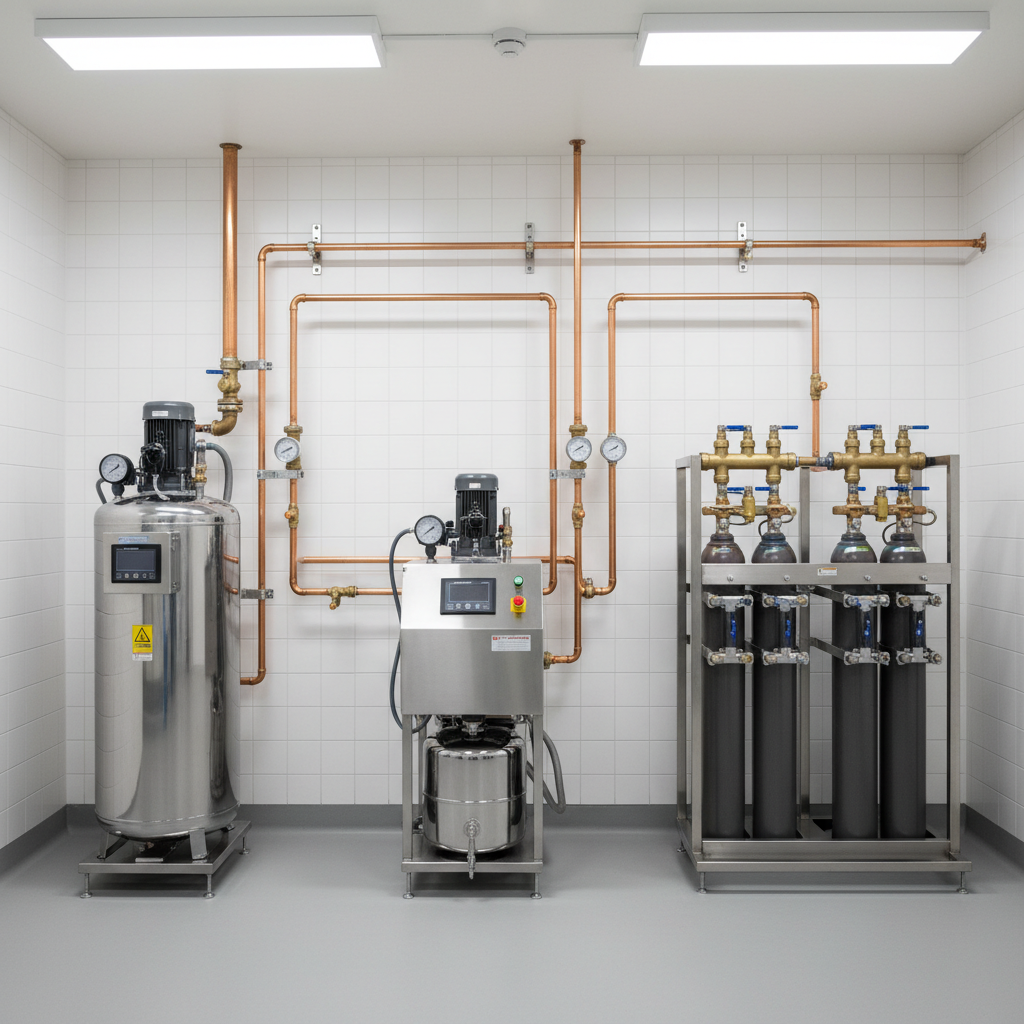
Your primary source equipment (e.g., manifolds, air compressors, vacuum pumps) must be sized to meet your facility's peak demand. Undersizing is a common and costly mistake, leading to pressure drops and inadequate flow during procedures. We'll calculate your needs based on the number of operating rooms, procedure types, and projected patient volume.
Pipeline Layout & Zoning
Proper pipeline layout is crucial for both safety and maintenance. Per NFPA 99, each operating room must have an individual zone valve box. This allows staff to shut off gas flow to a specific room in an emergency without affecting the rest of the facility. The layout must be meticulously planned to ensure efficient routing and access for future maintenance.
Why this matters for compliance: NFPA 99 (2024 edition), Chapter 5, outlines the stringent requirements for the design and installation of medical gas and vacuum systems. A compliant design is the foundation of a safe system and is the first thing an Authority Having Jurisdiction (AHJ) will review.
Medical Gas Pipe Installation: The Core of Your System
Once the design is finalized, the physical installation begins. This is where certified professionals are non-negotiable. All medical gas piping must be installed by technicians holding a current ASSE 6010 certification.
Materials and Best Practices
Piping: All medical gas pipelines must be Type K or L seamless copper tubing, cleaned for oxygen service, and clearly labeled.
Brazing: Joints must be brazed, not soldered. During brazing, a continuous purge of dry, oil-free nitrogen must be maintained to prevent oxidation inside the pipe. This process, required by NFPA 99, prevents the buildup of carbonaceous scale that could otherwise be delivered to a patient.
Supports: Piping must be properly supported to prevent sagging and stress on the joints.
At Medical Testing Solutions, our ASSE 6010 certified installers ensure every joint is perfect and every line is secure. We understand that the quality of the medical gas installation is paramount to patient safety.
The Verification Process: Ensuring Safety & Compliance
After the physical installation is complete, the system cannot be used until it has been thoroughly tested and verified by a third-party ASSE 6030 certified verifier. This is not optional; it is a mandatory step to ensure the system is safe for patient use.
The verification process is exhaustive and includes:
Initial Blowdown: Pressurizing the system with nitrogen to blow out any debris from construction.
Pressure Testing: Ensuring the system can hold pressure without any leaks.
Cross-Connection Test: Verifying that the gas-specific connections are correct and it's impossible to connect the wrong gas to a terminal.
Gas Purity and Concentration Tests: Confirming that the gas being delivered is the correct type and meets USP purity standards.
Alarm Testing: Ensuring all local and master alarm panels function correctly, signaling any system irregularities.
This multi-step medical gas verification process culminates in a comprehensive report that you will provide to the AHJ for final sign-off.
Comparison of Key Medical Gas Standards
Standard
Governs
Who It Applies To
NFPA 99
Health Care Facilities Code: overall design, installation, and operation
Professional Qualifications Standard for Medical Gas Systems Installers
Plumbers, Pipefitters installing the system
ASSE 6030
Professional Qualifications Standard for Medical Gas Systems Verifiers
Third-party inspectors who test the system
ASSE 6040
Professional Qualifications Standard for Medical Gas Systems Maintenance Personnel
In-house or contracted maintenance staff
Final Steps: From Verification to Patient Care
Once your system has passed third-party verification, you're in the home stretch. The final steps involve a review of the verification report by the AHJ (e.g., the state health department or a municipal building inspector in Columbia, SC).
Submit Verification Report: Provide the complete report from your ASSE 6030 verifier to the AHJ.
AHJ Inspection: The authority may conduct a final on-site inspection.
Receive Certificate of Occupancy: Once the AHJ is satisfied, they will sign off, allowing the facility to be occupied and for patient care to begin.
This final approval is a testament to a project well-executed, from initial design to the final test. Maintaining this level of compliance is an ongoing process. Regular annual medical gas inspections and a proactive maintenance plan are essential for continued safety and compliance.
Medical Testing Solutions is your partner for the entire lifecycle of your medical gas system, from initial design and installation to ongoing testing and maintenance. Our comprehensive services ensure your ASC in Columbia, SC, operates safely and efficiently.
Frequently Asked Questions
Most ASCs require Oxygen, Medical Air, and a Vacuum system. Depending on the procedures performed, Nitrous Oxide and Nitrogen may also be necessary for powering surgical tools or for sedation.
The timeline can vary from a few weeks to several months, depending on the size and complexity of the facility, coordination with other trades, and the permitting process in Columbia, SC.
No. Only technicians holding a current ASSE 6010 certification are qualified to install medical gas piping. This is a strict requirement of NFPA 99.
Verification (ASSE 6030) is the third-party testing of a new installation or modification before it is put into service. Certification is a broader term that can refer to the overall process of ensuring a system is compliant, which includes proper installation, verification, and ongoing maintenance.
NFPA 99 mandates that the system is verified by a party that is not the installer to avoid conflicts of interest. This ensures an unbiased and thorough assessment of the system's safety and compliance.
Request a quote for your facility
Talk with Medical Testing Solutions about your next inspection, repair or equipment request.