Skip to content
    New: Medical Gas Outlet Retrofit & Rebuild Matrix — cross-reference legacy Chemetron, Ohio Diamond, Puritan-Bennett & more →
    ASSE Certified 24/7
    Medical Gas Service
    Compliance & Standards

    Ambulatory Surgery Center Medical Gas Install in Charlottesville VA

    Medical Testing SolutionsOctober 18, 20267 min read
    Share
    Ambulatory Surgery Center Medical Gas Install in Charlottesville VA

    Ambulatory Surgery Center Medical Gas Install in Charlottesville, VA: A Complete Guide

    Building a new Ambulatory Surgery Center (ASC) is a complex undertaking, and the design and installation of your medical gas systems are among the most critical components for patient safety and regulatory compliance. These systems are the lifeblood of your facility, delivering essential gases like oxygen, medical air, and nitrous oxide to operating rooms and recovery areas. A compliant installation from day one is non-negotiable. This guide provides a definitive overview of the entire process for an ASC medical gas installation in Charlottesville, VA, from initial blueprints to final sign-off by the Authority Having Jurisdiction (AHJ).

    You will learn the key phases of a medical gas pipeline installation, the specific codes and standards you must adhere to (including NFPA 99 and ASSE 6000 series), and how to partner with a certified provider to ensure a seamless, safe, and successful project.

    Understanding the Scope: Medical Gas Systems in an ASC

    Medical gas systems in an ASC are more than just pipes in the walls. They are complex networks regulated as a Level 1 system under NFPA 99, meaning any failure is likely to cause major injury or death to patients or staff. The system comprises several key components:

    • Source Equipment: This includes bulk oxygen tanks, medical air compressors, vacuum pumps, and manifolds for cylinder gases (e.g., nitrous oxide, nitrogen).
    • Pipeline Distribution System: The network of copper piping that transports the gases from the source to various points of use throughout the facility.
    • Alarms and Monitoring: Master alarms, area alarms, and local alarms are required by NFPA 99 (Chapter 5) to provide immediate warnings of system failures or pressure changes.
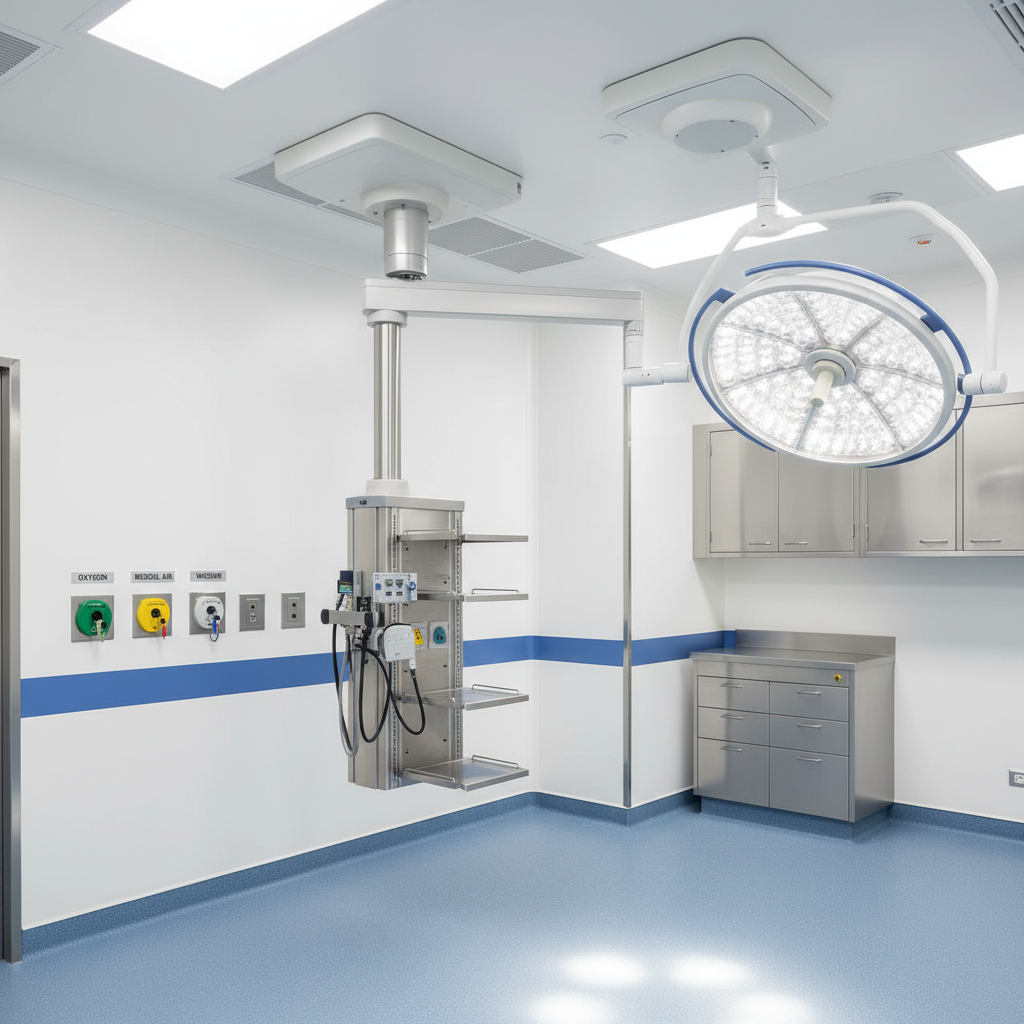
    • Terminal Units: These are the outlets in patient care areas (operating rooms, PACU bays) where medical staff connect equipment. They are gas-specific to prevent cross-connection.
    • Valves: Zone valves are placed strategically to allow sections of the pipeline to be isolated for maintenance or in an emergency.

    Why this matters for compliance: NFPA 99, the Health Care Facilities Code, is not a suggestion, it's the law in Virginia. Your local fire marshal and other AHJs will inspect your facility against this code. A non-compliant installation will prevent you from obtaining your Certificate of Occupancy.

    Phase 1: Design and Engineering

    Before a single pipe is installed, a meticulous design and engineering phase is essential. This involves collaboration between architects, engineers, and a certified medical gas specialist, like the team at Medical Testing Solutions.

    Key Design Considerations:

    • Patient Load & Procedure Types: The number and types of procedures you plan to perform will dictate the required gas flow rates and the number of outlets needed in each room.
    • Facility Layout: The physical layout of the ASC determines the routing of the pipeline, the location of the source equipment, and the placement of zone valves and alarms.
    • NFPA 99 Requirements: The design must strictly follow the requirements laid out in NFPA 99. This includes specifications for pipe sizing, materials (Type K/L degreased copper), and the placement of safety features.
    • Future Expansion: A good design anticipates future growth. It may be more cost-effective to size main lines to accommodate an additional operating room in the future rather than re-piping later.

    During this phase, our team can work with your architects to review blueprints, ensuring the proposed medical gas layout is compliant, efficient, and meets your clinical needs. This early involvement prevents costly changes and delays down the line.

    Phase 2: ASSE 6010 Installation

    Once the design is finalized, the physical installation begins. This work must be performed by technicians holding an ASSE 6010 Certified Medical Gas Systems Installer credential. This certification ensures that the individual has the knowledge and skill to install the systems safely and in accordance with code.

    The Installation Process:

    1. Piping Installation: Certified installers run the copper pipelines from the source equipment location to all terminal outlets. A critical step here is brazing, which must be done under a continuous nitrogen purge to prevent oxidation inside the pipe. This process is detailed in NFPA 99.
    2. Source Equipment Placement: Compressors, vacuum pumps, and manifolds are installed, typically in a dedicated mechanical room with specific ventilation and electrical requirements.
    3. Alarm & Valve Installation: Master and area alarm panels are wired, and zone valve boxes are installed in accessible locations for each critical care area.
    4. Outlet Rough-in: The back-end components of the terminal outlets are installed in the walls.

    Why this matters for compliance: Using uncertified installers is a major risk. An ASSE 6010 installer is trained to follow the strict protocols of NFPA 99, such as maintaining the nitrogen purge during brazing. Failure to do so creates carbon buildup inside the pipes, which can be dislodged and delivered to a patient, with catastrophic results.

    For a project as critical as an ASC build-out, you need a partner with proven experience. Medical Testing Solutions provides expert medical gas installation services performed by ASSE 6010 certified professionals, ensuring your Charlottesville facility is built right the first time.

    Phase 3: ASSE 6030 Verification

    After the installation is complete, but before the walls are closed up, the system must undergo a rigorous third-party verification. This is not optional. The purpose of verification is to ensure the system is safe for patient use. This process must be conducted by an ASSE 6030 Certified Medical Gas Verifier, who works for an independent third-party company, not the installer.

    The verification process is exhaustive and includes:

    • Initial Piping Tests: Checking that the system can hold pressure and that there are no leaks.
    • Cross-Connection Test: Ensuring that the gas-specific outlets are connected to the correct gas lines.
    • Purity & Particulate Tests: Verifying that the gas being delivered is the correct purity (e.g., Oxygen USP) and free from contaminants.
    • Alarm Testing: Confirming that all master, area, and local alarms function correctly.
    • Labeling and Component Checks: Ensuring all pipes, valves, and outlets are correctly labeled according to NFPA 99 standards.

    As a company that performs medical gas verification, Medical Testing Solutions understands the level of detail required. We provide the unbiased, authoritative documentation you will need to present to the AHJ.

    Navigating Code Requirements: NFPA vs. ASSE

    It's easy to get confused by the different standards. Here's how they work together:

    StandardPurposeWho It's ForKey Takeaway for ASCs
    NFPA 99The "what" and "where" - the foundational code for health care facilities.Architects, engineers, facility managers, inspectors (AHJ).Dictates system design, installation parameters, and required safety features. Your building inspector will use this.
    ASSE 6000 SeriesThe "who" and "how" - personnel qualifications.Technicians, installers, verifiers, maintenance personnel.Ensures that the people working on your critical systems are competent and qualified through training and examination.

    In short, your facility must be built to NFPA 99 standards, and the work must be performed by individuals certified to the relevant ASSE 6000 series standard (6010 for Installers, 6030 for Verifiers).

    The Final Step: AHJ Sign-Off

    The final hurdle is securing approval from the Authority Having Jurisdiction (AHJ). In Charlottesville, this could be the city building inspector, the fire marshal, or a representative from the Virginia Department of Health.

    You will need to provide the AHJ with the comprehensive verification report created by the ASSE 6030 verifier. This report is the official documentation proving that your medical gas systems have been installed and tested according to NFPA 99 and are safe for patient use. Once the AHJ reviews and approves this report, you can proceed with closing walls and moving toward your Certificate of Occupancy.

    Partnering with Medical Testing Solutions

    For a ground-up ambulatory surgery center medical gas install in Charlottesville, VA, you need a partner with end-to-end expertise. Medical Testing Solutions is your trusted resource. We offer:

    • Design Consultation: We work with your team to ensure plans are compliant and efficient.
    • ASSE 6010 Installation: Our certified technicians ensure a flawless installation.
    • ASSE 6030 Verification: We provide the independent, third-party verification required for AHJ approval.
    • Ongoing Maintenance: After you open, we offer annual medical gas inspections and preventative maintenance plans to keep your facility safe and compliant for years to come.

    We provide the peace of mind that comes from knowing your facility's most critical systems are in expert hands.

    Ready to start planning your ASC project? Contact the certified professionals at Medical Testing Solutions. Call us at (754) 315-1078 or request a quote online to discuss your Charlottesville medical gas installation needs.

    Frequently Asked Questions

    The timeline can vary from a few weeks to several months, depending on the size and complexity of the ambulatory surgery center. The key is coordinating the installation with the overall construction schedule. Early planning is crucial.

    Most ASCs require Oxygen, Medical Air, and a Medical Vacuum system. Depending on the surgical specialties, you may also need Nitrous Oxide (N2O) for anesthesia and Nitrogen (for powering surgical tools).

    Absolutely not. NFPA 99 requires that medical gas and vacuum systems be installed by individuals who are certified to the ASSE 6010 standard. A standard plumbing license is not sufficient for this specialized, life-support work.

    Verification is the one-time, comprehensive testing process performed on a new installation or modification before it is put into service, conducted by an ASSE 6030 verifier. Medical gas certification is the ongoing, periodic inspection (typically annually) to ensure the system continues to perform safely and meets code requirements.

    Yes, per NFPA 99, operating rooms and other "wet procedure locations" in an ASC are required to have isolated power systems, which include Line Isolation Monitors (LIMs). We provide expert LIM testing services as part of our comprehensive compliance solutions.

    This article is provided for educational purposes and reflects industry standards as of publication. Always verify against current NFPA 99, CGA, and AHJ requirements. Medical Testing Solutions is ASSE-certified and ready to help — contact us for facility-specific guidance.

    Request a quote for your facility

    Talk with Medical Testing Solutions about your next inspection, repair or equipment request.

    Get a quote in 1 business day

    I agree to receive text messages from Medical Testing Solutions, L.L.C. at the phone number provided, including informational and marketing messages. Consent is not a condition of purchase. Message frequency varies. Message & data rates may apply. Reply STOP to opt out or HELP for help. See our Privacy Policy and Messaging Terms.

    Prefer to talk? Call (754) 315-1078

    Related articles