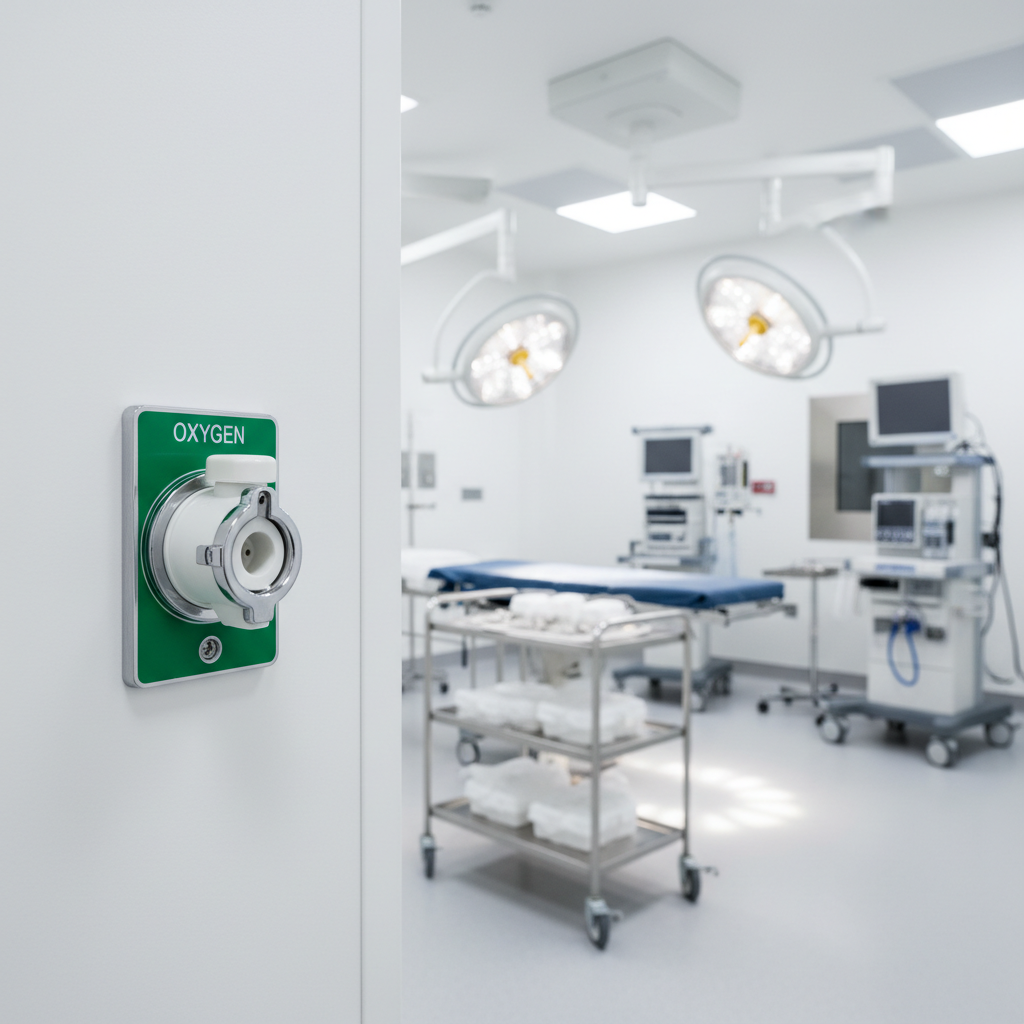
Planning Your ASC Medical Gas System: From Blueprint to Breath
Building a new Ambulatory Surgery Center (ASC) in Charleston, SC, is a monumental undertaking. Among the most critical systems you'll install is the medical gas network. This intricate system of pipes, alarms, and outlets is the lifeblood of your operating rooms, recovery areas, and procedure rooms, delivering vital gases like oxygen, medical air, and nitrous oxide. A compliant, properly installed system is non-negotiable for patient safety and regulatory approval. This guide walks you through the entire process, from initial design to final sign-off, ensuring your facility's medical gas system is safe, reliable, and built to code.
This article will detail the critical phases of a ground-up medical gas installation for a Charleston-area ASC. You will learn about the design and engineering process, code requirements under NFPA 99, the roles of ASSE 6010 installers and ASSE 6030 verifiers, and the steps to achieving a successful inspection from the Authority Having Jurisdiction (AHJ).
The Critical Role of NFPA 99 in ASC Medical Gas Design
Before a single pipe is installed, your medical gas system must be meticulously designed to comply with the National Fire Protection Association's standard, NFPA 99, Health Care Facilities Code. This is the foundational document governing the design, installation, performance, and maintenance of medical gas systems.
For an ASC, the system is typically designated as "Category 1," meaning any failure is likely to cause major injury or death to patients. This classification dictates the most stringent requirements for design, equipment, and installation.
Key design considerations under NFPA 99 include:
- Source Equipment Sizing: Calculating the peak demand for each gas to correctly size your manifolds, air compressors, and vacuum pumps.
- Piping Layout: Designing a pipe routing plan that is efficient, accessible for maintenance, and avoids potential hazards.
- Alarm Placement: Strategically locating master alarms (e.g., in the facility manager's office) and area alarms (e.g., at nurses' stations) to provide immediate alerts of system irregularities.
- Valve Placement: Incorporating zone valves to isolate specific areas of the facility for maintenance or in an emergency without shutting down the entire system.
Why this matters for compliance: The NFPA 99 code is not a suggestion; it is the standard adopted by regulatory bodies, including local fire marshals and the AHJ in Charleston. A non-compliant design will lead to failed inspections, costly rework, and significant delays in opening your facility. Engaging a qualified engineering firm and an experienced company like Medical Testing Solutions early in the process is crucial.
Phase 1: Installation by ASSE 6010 Certified Technicians
Once the design is finalized, the physical installation begins. This work must be performed by technicians holding an ASSE 6010 Medical Gas Systems Installer certification. This certification ensures that the individuals brazing, assembling, and placing the system components are proficient in the specific procedures required for medical gas plumbing.
Key Installation Steps:
- Piping Installation: Copper piping (Type K or L) is meticulously cleaned, cut, and routed according to the engineered drawings.
- Brazing: All joints are brazed using a specific silver alloy (a process distinct from soldering) under a continuous nitrogen purge. This purge is critical to prevent the formation of copper oxides inside the pipe, which could otherwise be blown into a patient's lungs.
- Component Placement: Source equipment (manifolds, pumps), alarm panels, zone valve boxes, and terminal outlets are installed.
- Initial Pressure Test: After installation, the system undergoes an initial pressure test to check for leaks before the walls are closed up.
Medical Testing Solutions provides ASSE 6010 certified installation services, ensuring every joint is brazed to standard and every component is installed correctly the first time.