Building a new Ambulatory Surgery Center (ASC) in Cary, North Carolina, is a complex undertaking. Among the most critical systems you will install is the medical gas pipeline. A properly designed, installed, and verified medical gas system is not just a regulatory requirement; it is a fundamental pillar of patient safety. This guide provides a definitive overview of the entire process, from initial blueprints to final sign-off, ensuring your Cary ASC’s medical gas infrastructure is compliant, reliable, and ready for operation from day one. You will learn the key phases of a ground-up installation, the specific codes and standards that govern the process, and the critical role of certified professionals in ensuring a successful outcome.
Medical Gas Service
Compliance & Standards
Ambulatory Surgery Center Medical Gas Install in Cary, NC: A Complete Guide
Medical Testing SolutionsOctober 15, 20267 min read
Phase 1: Design and Engineering - The Blueprint for Compliance
Before a single pipe is installed, a comprehensive design phase is essential. This is where compliance with national and local standards begins. For any healthcare facility, including ASCs in Cary, the primary governing document is the NFPA 99, Health Care Facilities Code. Your architects and engineers will work with a certified specialist, like the team at Medical Testing Solutions, to develop a detailed plan for your medical gas systems.
Key Design Considerations:
- Source Equipment Sizing: The central supply systems (e.g., oxygen manifolds, medical air compressors, vacuum pumps) must be correctly sized based on the number of operating rooms, procedure rooms, and recovery bays, as well as the specific types of procedures you plan to perform.
- Pipeline Distribution: The layout of the copper piping must be meticulously planned to ensure proper pressure and flow to every terminal outlet. This involves calculating pipe diameters, distances, and pressure drops.
- Zone Valve Placement: The design must incorporate zone valve boxes to isolate specific areas of the ASC for maintenance or in case of an emergency, as mandated by NFPA 99.
- Alarm System Integration: A master alarm system, area alarms, and local alarms are required to monitor the status and pressure of all medical gas systems. The design must specify their exact locations and the parameters they will monitor.
Why this matters for compliance: A flawed design guarantees a non-compliant system. The Authority Having Jurisdiction (AHJ) in Cary will review these plans. Getting the design right, with specific references to NFPA 99 chapters on Category 1 systems, prevents costly delays and rework during and after construction.
Phase 2: ASSE 6010 Certified Installation
Once the design is approved, the physical installation begins. This work must be performed by individuals holding an ASSE 6010 Medical Gas Systems Installer certification. This is not a suggestion; it is a strict requirement under NFPA 99. Using uncertified plumbers or technicians is a serious compliance violation that will result in a failed verification.
Core Installation Steps:
- Piping Installation: All medical gas piping must be Type K or L seamless copper, cleaned for oxygen service. Installers use a specific brazing technique with a continuous nitrogen purge to prevent the formation of contaminants and oxides inside the pipe. This process is critical for patient safety.
- Source Equipment Setup: Manifolds, air compressors, and vacuum pumps are installed, typically in a dedicated, secure mechanical room with proper ventilation.
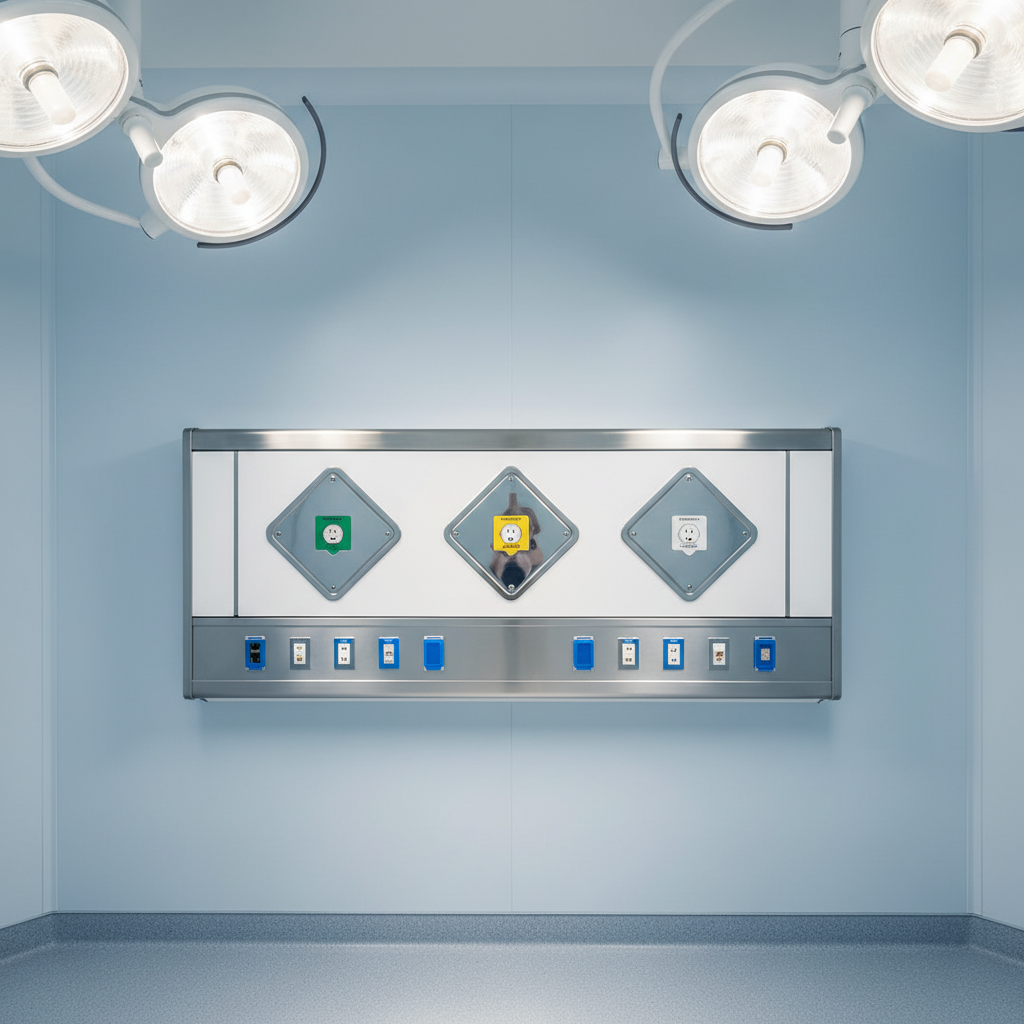
- Component Installation: Zone valve boxes, area alarm panels, and terminal outlets (e.g., DISS, Ohmeda, Chemetron) are installed in their designated locations as per the blueprints.
As a leading provider of medical gas installation, Medical Testing Solutions ensures that every braze, connection, and component is installed by ASSE 6010 certified professionals who understand the unique demands of ASCs.
Phase 3: ASSE 6030 Verification and Testing
After the installation is complete, but before the walls are closed, the system must undergo a rigorous, independent, third-party verification. This process is performed by an ASSE 6030 Medical Gas Verifier and is arguably the most critical step in the entire project. The verifier works for the facility, not the installer, to provide unbiased confirmation that the system is safe and compliant.
Key Verification Tests Include:
- Initial Piping Blowdown: High-volume, oil-free nitrogen is used to purge any construction debris from the piping.
- Piping Particulate Test: A test to ensure the system is free of any particulate matter.
- Standing Pressure Tests: The system is pressurized to 1.5 times the working pressure to check for any leaks in the piping.
- Cross-Connection Test: Every outlet is checked to ensure the gas delivered matches the label on the outlet. This prevents a catastrophic medical error.
- Gas Purity and Concentration Tests: The verifier will test the specific concentration and purity of each gas to ensure it meets medical-grade standards (e.g., Oxygen >99%).
- Alarm System Testing: Every alarm panel is tested to confirm it activates at the correct high and low pressure set-points.
Only after every test is passed without failure can the system be certified for patient use. Medical Testing Solutions provides comprehensive ASSE 6030 medical gas verification services to ensure your new system is 100% ready.
NFPA 99 Code Requirements vs. ASSE Standards
It's helpful to understand the relationship between NFPA 99 and the ASSE 6000 series standards. NFPA 99 is the what, the code that defines the safety requirements for the overall system. The ASSE 6000 series is the who, the standards that define the qualifications and competencies of the individuals who perform the work.
| Standard | Title | Who It Applies To | Purpose |
|---|---|---|---|
| NFPA 99 | Health Care Facilities Code | The Facility, Designers, Installers | Sets the minimum safety and performance requirements for the entire medical gas system. |
| ASSE 6010 | Medical Gas Systems Installer | Mechanical/Plumbing Installers | Certifies that an individual has the expertise to safely braze, assemble, and install medical gas piping and components. |
| ASSE 6030 | Medical Gas Systems Verifier | Independent Third-Party Testers | Certifies an individual to conduct the full battery of tests required to confirm a new installation is compliant with NFPA 99. |
| ASSE 6040 | Medical Gas Systems Maintainer | Facility Maintenance Personnel | Certifies staff to perform routine maintenance and repairs on an operational medical gas system. |
Final Walk-Through and AHJ Sign-Off
The final step before you can use your new medical gas system is the final inspection and sign-off from the Authority Having Jurisdiction (AHJ). This could be a representative from the state department of health or a local building/fire code official. The AHJ will review the verifier's report (the ASSE 6030 documentation) as proof of compliance.
A complete and successful verification report is your golden ticket. Without it, the AHJ will not approve the system, and your ASC cannot open. This underscores the importance of engaging certified, experienced professionals throughout the entire process.
Post-Installation: Ongoing Maintenance
Once your Cary ASC is operational, the responsibility for the medical gas system does not end. NFPA 99 requires an ongoing maintenance program. This includes:
- Annual Inspections: A comprehensive check of the entire system, from source to outlet. Our annual medical gas inspections ensure continued compliance.
- Routine Maintenance: Following the manufacturer's recommendations for all source equipment.
- Repairs: All repairs must be performed by qualified individuals, such as an ASSE 6040 Certified technician.
Partnering with a firm like Medical Testing Solutions for a preventive maintenance plan is the best way to ensure long-term safety, compliance, and reliability.
Your Partner for Compliant Medical Gas Systems in Cary, NC
Installing a medical gas system in an ambulatory surgery center is a high-stakes project where expertise and certification are non-negotiable. From initial design review to ASSE-certified installation and verification, every step must be executed flawlessly to ensure patient safety and regulatory approval.
Medical Testing Solutions is your certified partner for ASC projects in Cary and across North Carolina. Our team holds the ASSE 6010 and 6030 credentials required to get the job done right. Don't risk your project's timeline or your patients' safety on unqualified contractors.
Contact Medical Testing Solutions today at (754) 315-1078 or request a quote online to discuss your ambulatory surgery center project.
Frequently Asked Questions
Only technicians holding an ASSE 6010 Medical Gas Systems Installer certification are qualified. This is a mandatory requirement under NFPA 99.
Installation is the physical construction of the system, performed by an ASSE 6010 installer. Verification is the subsequent third-party testing of the system to ensure it is safe and compliant, performed by an ASSE 6030 verifier.
For a new ASC, this process is integrated into the overall construction schedule. Depending on the size of the facility, it can take several weeks from the start of pipe installation to the final verification report.
No. Unless the plumbers hold a current ASSE 6010 certification, they are not qualified or legally permitted to install medical gas systems. The brazing techniques and cleanliness requirements are vastly different from standard plumbing.
Request a quote for your facility
Talk with Medical Testing Solutions about your next inspection, repair or equipment request.