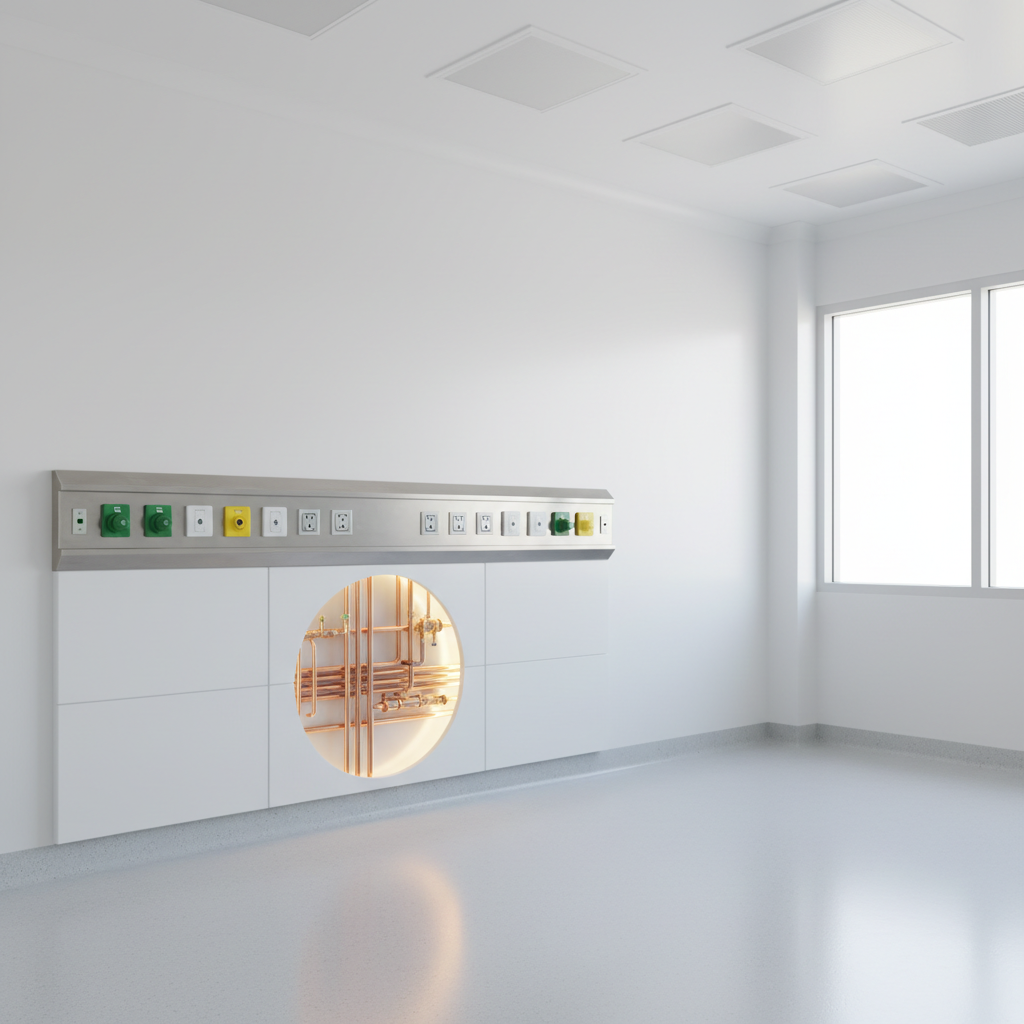
Ambulatory Surgery Center Medical Gas Install in Alexandria VA
Medical Testing SolutionsOctober 17, 20266 min read
Share
Ambulatory Surgery Center Medical Gas Install in Alexandria VA: A Complete Guide
Building a new Ambulatory Surgery Center (ASC) in Alexandria, Virginia, is a complex undertaking. Among the most critical systems you'll install is the medical gas network. Proper design, installation, and verification are not just operational necessities; they are matters of patient safety and regulatory compliance. This comprehensive guide walks you through the entire process, from initial blueprints to the final Authority Having Jurisdiction (AHJ) sign-off. You will learn the key phases of a compliant medical gas installation, the standards that govern the process, and how to partner with certified experts to ensure your facility is patient-ready from day one.
Phase 1: Design & Engineering - The Blueprint for Safety
The foundation of a reliable medical gas system is a meticulous design. This initial phase translates your ASC's clinical needs into a compliant, efficient, and safe piping network. It involves close collaboration between architects, medical gas specialists, and facility stakeholders.
Sizing and Calculating Gas Demands
First, you must determine the specific medical gases required (e.g., Oxygen, Medical Air, Nitrous Oxide, Vacuum) and the number of outlets or terminals needed in each room, operating rooms, recovery bays, and procedure areas. The engineering team then calculates the total simultaneous flow rate (diversity factor) for each gas to size the source equipment, maniverters, air compressors, and vacuum pumps, appropriately. This prevents pressure drops and ensures adequate supply during peak usage, a core requirement of NFPA 99.
Piping Layout and Material Selection
With demand calculated, the next step is mapping the piping distribution network. The layout must ensure the most direct and efficient path from the source to the terminals, minimizing pressure loss. Per NFPA 99, all medical gas piping must be Type K or L seamless copper tubing (ASTM B819), cleaned for oxygen service. All fittings must be brazed by a certified ASSE 6010 installer, a crucial step for preventing leaks and ensuring system purity.
Why this matters for compliance: A poorly designed system can fail to meet the stringent pressure and flow requirements outlined in NFPA 99, Chapter 5. This can lead to project delays, costly rework, and failure to achieve certification. Proper engineering from the start is the most effective way to manage costs and timelines.
Phase 2: ASSE 6010 Installation - The Core Construction
Once the design is approved, the physical installation begins. This work must be performed by technicians holding an ASSE 6010 Medical Gas Systems Installer certification. This certification is the industry's benchmark, ensuring installers have the proven expertise to build these life-support systems correctly.
Source Equipment Installation
This involves setting up the "heart" of your system. This includes:
Maniverters: For high-pressure gas cylinders (e.g., Oxygen, Nitrous Oxide).
Medical Air Compressors: Specialized, oil-free units (scroll or reciprocating) with dryers and filters to deliver USP-grade breathing air.
Vacuum Pumps: To provide suction for surgical procedures.
All source equipment must be installed in a dedicated, properly ventilated room, secured, and connected to the master alarm system.
Piping, Valves, and Alarms
Certified installers run the copper piping from the source equipment throughout the facility. At critical junctures, they install zone valve boxes. These allow specific areas of the ASC to be isolated for maintenance or in an emergency without shutting down the entire facility. Area alarms are installed alongside these valve boxes to provide local alerts for pressure or vacuum deviations. All brazing is performed using a nitrogen purge, as required by NFPA 99, to prevent internal oxidation and contamination of the pipeline.
For a project as critical as a new build-out, partnering with an experienced company is key. Medical Testing Solutions provides comprehensive medical gas installation services, ensuring every joint is brazed and every component is placed according to code.
Phase 3: ASSE 6030 Verification - Testing for Patient Safety
After the installation is complete but before the walls are closed, the system must undergo a rigorous, independent, third-party verification. This is performed by an ASSE 6030 Medical Gas Verifier and is one of the most critical steps for AHJ sign-off.
Verification is not a "rubber stamp." It is an exhaustive series of tests to confirm the system is safe for patient use. Key tests include:
Piping Purity: Ensuring the system is free of contaminants.
Cross-Connection Test: Confirming that the gas at the outlet is the gas on the label (e.g., oxygen flows only from oxygen outlets).
Pressure and Flow Tests: Verifying the system operates at the correct pressures and can meet the design-specified flow rates.
Alarm Testing: Functionally testing every master, area, and local alarm to ensure they activate under the correct conditions.
Source Equipment Function: Confirming compressors, pumps, and maniverters switch over and operate as intended.
The verifier documents every test in a detailed report. This report is a non-negotiable document required by the AHJ.
NFPA 99 vs. ASSE 6000: A Comparison
Standard
Focus
Who It Applies To
NFPA 99
What to do (the Health Care Facilities Code)
The overall design, installation, performance, and maintenance requirements for the facility's medical gas systems.
ASSE 6000 Series
Who can do it (personnel certification)
The training, qualifications, and certification standards for individuals who install (6010), verify (6030), or maintain (6040) the systems.
Medical Testing Solutions offers expert, independent medical gas verification to ensure your new Alexandria ASC meets all code requirements for a smooth and successful inspection.
Phase 4: Final Inspection and AHJ Sign-Off
The final step before the facility can open is the inspection by the Authority Having Jurisdiction (AHJ). This could be a combination of state health inspectors, local building code officials, and fire marshals in Alexandria or Fairfax County.
The AHJ will review all documentation, including:
The ASSE 6010 installer's qualifications.
The complete ASSE 6030 third-party verification report.
Equipment submittals and manufacturer's documentation.
As-built drawings of the medical gas system.
They may also perform a physical walk-through to spot-check components. A clean, well-documented project with a thorough verification report from a trusted partner like Medical Testing Solutions is the fastest path to earning your Certificate of Occupancy.
Maintaining Compliance Post-Installation
Your responsibility doesn't end after the AHJ signs off. NFPA 99 mandates a schedule of ongoing maintenance and inspections to ensure the system remains safe and reliable throughout its lifecycle.
Annual Inspections: A comprehensive check of all system components, pressures, and alarms. This helps identify potential issues before they become critical failures.
Regular Maintenance: Following the manufacturer's recommended service intervals for compressors, pumps, and other dynamic equipment.
Documentation: Keeping meticulous records of all inspections, maintenance, and repairs.
Get Your Alexandria ASC Project Started on the Right Foot
A compliant medical gas installation is non-negotiable for any new ambulatory surgery center in Alexandria, VA. From design through final sign-off, every step must adhere to the stringent requirements of NFPA 99 and be executed by ASSE-certified professionals.
Don't leave your facility's safety, compliance, or timeline to chance. Partner with the certified experts at Medical Testing Solutions for your installation and verification needs. Contact us today for a comprehensive quote for your project. Call us at (754) 315-1078 or request a quote online.
Frequently Asked Questions
Only technicians holding an ASSE 6010 Medical Gas Systems Installer credential. This certification ensures they have been trained and tested on the specific procedures for brazing, purging, and assembling these life-critical systems according to NFPA 99 standards.
Installation is the physical construction of the system, performed by an ASSE 6010 installer. Verification is the subsequent testing and analysis of that system by an independent, third-party ASSE 6030 verifier to ensure it is safe and compliant before it is used for patient care.
The timeline varies depending on the size and complexity of the ambulatory surgery center, but it typically takes several weeks. The process is carefully coordinated with other construction trades. The verification phase alone can take several days of dedicated, on-site testing.
Absolutely not. You must use seamless, medical-grade Type K or L copper tubing that has been cleaned for oxygen service (ASTM B819). Using standard plumbing materials would introduce contaminants and violate NFPA 99 code, leading to catastrophic system failure and requiring complete replacement.
The most common piped gases in an ASC are Oxygen (O2), Medical Air, and a Vacuum (suction) system. Depending on the procedures performed, some facilities may also pipe Nitrous Oxide (N2O) for sedation or Waste Anesthetic Gas Disposal (WAGD).
NFPA 99 mandates that verification be performed by a party that is technically competent and independent of the system installer. This ensures an unbiased assessment of the system's safety and compliance, providing a crucial check and balance before the system is turned over for patient use.
Request a quote for your facility
Talk with Medical Testing Solutions about your next inspection, repair or equipment request.