Skip to content
    New: Medical Gas Outlet Retrofit & Rebuild Matrix — cross-reference legacy Chemetron, Ohio Diamond, Puritan-Bennett & more →
    ASSE Certified 24/7
    Medical Gas Products
    Compliance & Standards
    Medical Gas Service

    What Is Medical Air? The Complete Hospital Guide

    Medical Testing SolutionsAugust 4, 202610 min read
    Share
    What Is Medical Air? The Complete Hospital Guide

    What Is Medical Air? The Complete Hospital Guide for 2024

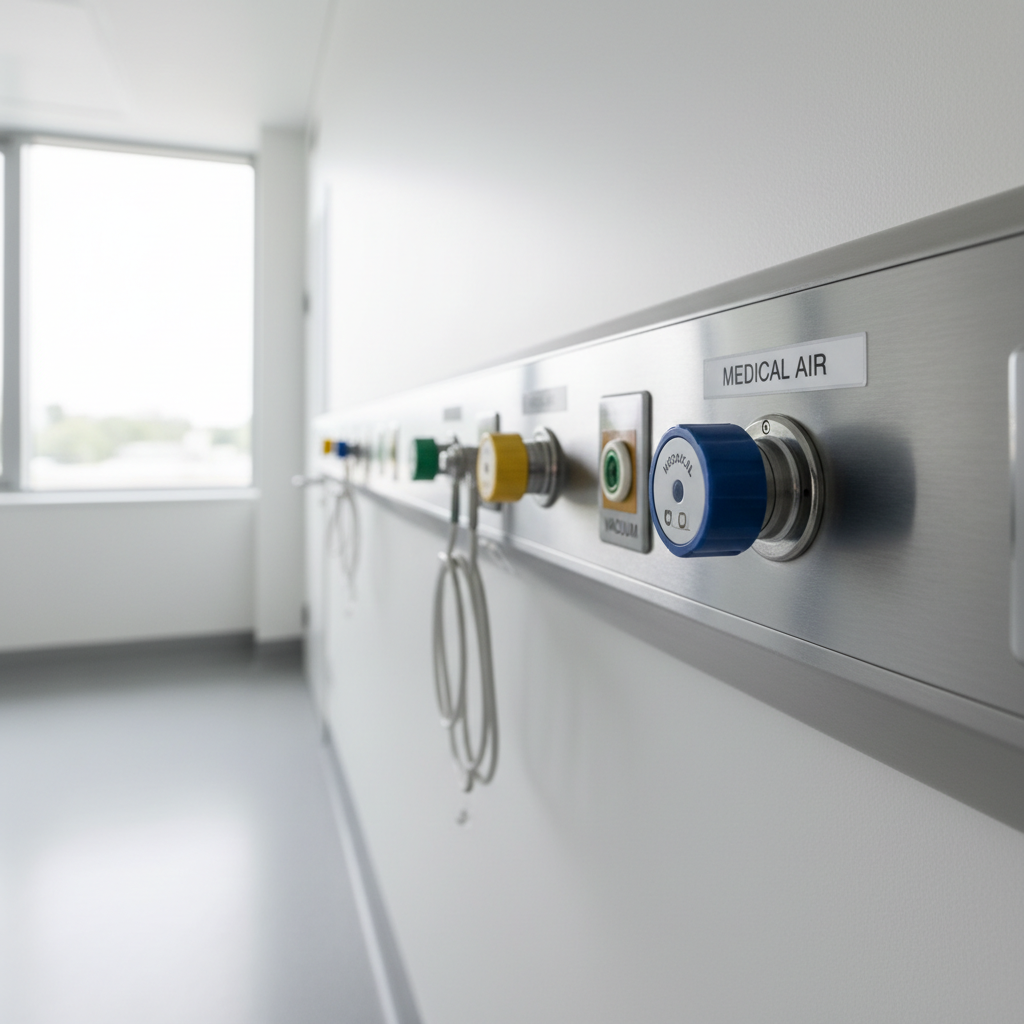
    Medical air is a critical life-support service in hospitals and healthcare facilities, yet it's often misunderstood. It's not simply purified ambient air; it's a precisely controlled medical gas, delivered to patients and equipment under strict standards for purity, pressure, and reliability. Unlike bulk oxygen or nitrogen tanks, medical air is manufactured on-site, making the design, installation, and maintenance of the source equipment paramount for patient safety. Mismanaging a medical air system can introduce contaminants, compromise patient care, and lead to significant compliance penalties.

    In this definitive guide, we will explore the essential aspects of medical air. You will learn what defines medical air, how it is produced, its critical differences from other compressed gases, and the specific NFPA 99 requirements that govern its use. We will cover common applications, safety protocols, and how to ensure your facility remains compliant and your patients are safe.


    What Exactly is Medical Air?

    Medical air is a controlled medical gas that is free from contamination and particles, has no odor, and is dry to prevent water buildup in your facility's pipeline. It is not the same as the ambient air we breathe. It is a manufactured product, generated by a dedicated medical air compressor system, that must meet the stringent requirements laid out in the National Fire Protection Association's standard, NFPA 99, Health Care Facilities Code.

    According to NFPA 99 (2024 edition), medical air is defined as "Air provided from a medical air system that complies with the requirements of 5.1.3.6 and is used for respiratory applications or is delivered to calibrated medical devices used for the delivery of air or other gases to patients." This definition highlights its dual purpose: direct patient respiration and powering medical equipment that delivers gas mixtures.

    The air is supplied by a specialized system designed to remove pollutants, bacteria, and moisture. The final product is a clean, dry, and controlled gas essential for patient ventilation and various clinical procedures. The quality of this air is not optional; it is a matter of life and death, and its purity is regulated to the same degree as other medical gases like oxygen and nitrous oxide.

    How is Medical Air Produced and Supplied?

    Medical air is almost always produced on-site using a dedicated medical air compressor system. This system is a complex assembly of components, each with a specific role in creating air that meets USP (United States Pharmacopeia) standards for purity.

    The primary components of a medical air source system, as outlined in NFPA 99, Chapter 5, include:

    • Intake: The system starts with an air intake located outdoors, away from any potential sources of contamination like vacuum exhaust, engine fumes, or vents. NFPA 99 specifies the intake must be at least 25 feet from any such discharge.
    • Compressors: At least two compressors are required for redundancy. If one fails, another automatically takes over. These can be of various technologies (e.g., scroll, reciprocating, rotary screw), but they must be designed specifically for medical use, often of an "oil-less" or "oil-free" design to minimize the risk of hydrocarbon contamination.
    • Aftercoolers & Dryers: Compressed air is hot and saturated with moisture. Aftercoolers lower the temperature, and refrigerated or desiccant dryers then remove the water vapor. The goal is to achieve a specific pressure dew point (the temperature at which water vapor condenses) to prevent liquid water from forming in the pipes. NFPA 99 requires a pressure dew point of 35°F (1.7°C) or lower to inhibit bacterial growth.
    • Filters & Regulators: A series of filters removes particulates, oil aerosols, and other impurities. Regulators ensure the air is delivered to the hospital's piping network at a stable and correct pressure, typically 50-55 psi.
    • Receiver Tank: This tank stores a reserve of compressed air, helping to smooth out pressure fluctuations and reduce how often the compressors need to cycle, thus extending their life.
    • Monitoring & Alarms: A critical component is the local alarm and a master alarm panel that monitors the system's performance. These alarms will activate in case of high temperature, high dew point, or if a backup compressor is activated, alerting staff to potential issues. The carbon monoxide (CO) monitor is especially vital, constantly sampling the air for this deadly gas.

    The proper medical gas installation of these systems is governed by ASSE 6010 standards, which require certified professionals to ensure every component is installed correctly for safe and reliable operation. Medical Testing Solutions provides and installs NFPA 99-compliant compressor systems tailored to facility needs.

    Medical Air vs. Instrument Air vs. Oxygen: Key Differences

    One of the most common points of confusion is the distinction between medical air, instrument air, and pure oxygen. Using the wrong gas can have catastrophic consequences for patients and equipment. While they are all delivered via wall outlets, they are not interchangeable.

    Instrument Air, sometimes called "lab air," is compressed air intended solely for powering medical equipment, such as surgical tools, clutches, and brakes on radiology equipment. It is not approved for patient respiration because it does not have the same stringent purity and dew point requirements as medical air. While it comes from a compressor and is filtered, the standards are less strict. Interconnecting medical air and instrument air systems is strictly prohibited by NFPA 99.

    Oxygen (O2) is a pure, elemental gas, typically supplied in bulk liquid form (LOX) and stored in large cryogenic tanks on-site. It is used to treat hypoxia and for patients who cannot breathe enough oxygen on their own. It is 100% oxygen, whereas medical air is a mixture of gases.

    Here is a table summarizing the key distinctions:

    FeatureMedical AirInstrument AirOxygen (USP)
    Primary UsePatient respiration, powering ventilators & nebulizersPowering surgical tools, pneumatic equipmentPatient respiration, treating hypoxia
    Composition20.9% Oxygen, 78% Nitrogen, ~1% ArgonFiltered ambient air (composition varies)99.0% - 99.5% Pure Oxygen
    Governing StandardNFPA 99, USPNFPA 99 (less strict)NFPA 99, USP, CGA
    Dew Point Req.Very Low (35°F at 50 psi)Low, but less strict than medical airExtremely low (cryogenic liquid)
    FiltrationMulti-stage, for particles, water, oil, CO, bacteriaParticulate and water filtrationHigh purity from production
    Patient ContactYes, direct inhalationNo, never for breathingYes, direct inhalation
    SourceOn-site dedicated compressor systemOn-site compressor system (can be separate)Bulk liquid storage tank or cylinders

    NFPA 99 Requirements for Medical Air Systems

    Compliance with NFPA 99 is not optional; it is the law in most jurisdictions and the cornerstone of patient safety for medical gas systems. The code provides detailed requirements for the design, installation, testing, and maintenance of medical air systems (Category 1 through 3).

    Key requirements from NFPA 99 (2024 Edition), Chapter 5, "Gas and Vacuum Systems," include:

    • Source Equipment (5.1.3.6): Mandates duplexed compressors, allowing one to be shut down for service while the other supplies the facility. It specifies requirements for filters, dryers, regulators, and alarm systems.
    • Contaminant Monitoring (5.1.3.6.3.9): Requires a dedicated carbon monoxide (CO) monitor to be installed on the immediate outlet of the source equipment. This monitor must activate a local alarm and the master alarm panel if CO levels exceed 10 parts per million (ppm).
    • Dew Point Monitoring (5.1.3.6.3.8): A hygrometer must monitor the pressure dew point and activate an alarm if it exceeds the threshold of 35°F (1.7°C), indicating a failure in the drying system.
    • Piping and Distribution (5.1.10): Specifies that piping must be hard-drawn seamless copper (Type K or L), cleaned and brazed by a certified ASSE 6010 installer. It explicitly prohibits cross-connections between the medical air and instrument air systems.
    • Testing and Verification (5.1.12): Before a new or modified system is put into service, it must be fully tested and verified by a party technically competent and experienced in the field of medical gas pipeline testing, such as an individual holding an ASSE 6030 certification. This process confirms correct labeling, pressure, flow, and gas purity. Medical Testing Solutions specializes in providing independent, third-party medical gas verification to ensure your system is safe and compliant from day one.

    Why this matters for compliance: Failure to comply with NFPA 99 can result in loss of accreditation from The Joint Commission (TJC), significant fines, and, most importantly, patient harm. Regular, documented testing and maintenance are your best defense against system failure and regulatory action.

    Common Use Cases for Medical Air in Hospitals

    Medical air is indispensable in nearly every area of a hospital. Its primary applications include:

    • Patient Ventilation: It is the motive gas used to power mechanical ventilators in intensive care units (ICUs), neonatal intensive care units (NICUs), and operating rooms (ORs). The ventilator uses the pressure of the medical air to deliver precise volumes and mixtures of air and oxygen to the patient.
    • Nebulizers: Medical air is used to aerosolize medications for inhalation. When a patient needs inhaled bronchodilators or steroids, the drug is placed in a nebulizer cup, and medical air is flowed through it, creating a fine mist the patient can breathe in.
    • Anesthesia Delivery: During surgery, anesthesiologists use medical air along with oxygen, nitrous oxide, and anesthetic agents to create a precise gas mixture for the patient.
    • Drying Medical Scopes: In sterile processing departments, medical air can be used to dry the internal channels of endoscopes and other sensitive equipment after cleaning, as its low dew point prevents moisture damage.

    Ensuring the Safety and Purity of Your Medical Air System

    An on-site medical air system is a complex piece of machinery that requires diligent oversight. Ensuring its continued safety and reliability involves a multi-faceted approach:

    1. Proper Installation: Start with a system designed and installed by professionals certified to the ASSE 6010 standard. This ensures all components are correctly sized, located, and connected according to NFPA 99.
    2. Regular Inspections: A routine check of the source equipment should be part of daily rounds. Look for unusual noises, check pressure gauges, and note any alarm conditions. For more thorough checks, a program of annual medical gas inspections is critical for preventative care.
    3. Preventative Maintenance: Adhere to the manufacturer's recommended maintenance schedule for compressors, dryers, and filters. This includes oil changes (for oil-lubricated systems), filter element replacements, and dryer servicing. Proactive medical gas maintenance services from a qualified provider like MTS can prevent costly downtime.
    4. Periodic Testing: NFPA 99 mandates periodic testing of the gas quality to ensure it still meets USP standards for purity, dew point, and absence of contaminants. This is a key part of maintaining your facility's medical gas certification.

    Partner with the Medical Air Experts at MTS

    Your medical air system is a life-support utility. Ensuring its reliability, purity, and compliance is a critical responsibility. From initial system design and installation to ongoing testing, maintenance, and certification, you need a partner with the expertise to do it right.

    Medical Testing Solutions is an ASSE-certified medical gas service and equipment company with a deep understanding of NFPA 99 requirements. Our certified technicians help hospitals and healthcare facilities across the country maintain safe and compliant medical gas systems. Whether you need a new compressor, require annual testing, or need an emergency repair, we are here to help.

    Don't leave patient safety to chance. Contact our experts today to discuss your medical air needs. For a consultation or to schedule a service, call us at +1 (754) 315-1078 or request a quote online.


    Frequently Asked Questions

    A compliant medical air system includes at least two compressors, an air intake, aftercoolers, receiver tank, dryers to remove moisture, filters for particulates and oil, pressure regulators, and monitors for carbon monoxide and dew point.

    New or modified systems require full verification by an ASSE 6030 verifier. Additionally, NFPA 99 requires periodic testing as part of a comprehensive maintenance program, typically performed annually, to confirm purity, pressure, and flow at the outlets.

    No, absolutely not. Instrument air does not meet the stringent purity and dew point standards required for medical air and must never be used for patient breathing or to power devices like ventilators or nebulizers. Doing so is a serious safety violation.

    The dew point is the temperature at which water vapor in the compressed air will condense into liquid. NFPA 99 requires a low dew point (35°F at 50 psi) to ensure the air is extremely dry, preventing water from forming in the pipes, which could cause equipment damage and foster bacterial growth.

    Only individuals with specific training and certification, such as ASSE 6010 (for installers), ASSE 6030 (for verifiers), and ASSE 6040 (for maintenance personnel), should perform work on medical gas systems. This ensures they understand the unique risks and safety protocols involved.

    This article is provided for educational purposes and reflects industry standards as of publication. Always verify against current NFPA 99, CGA, and AHJ requirements. Medical Testing Solutions is ASSE-certified and ready to help — contact us for facility-specific guidance.

    Request a quote for your facility

    Talk with Medical Testing Solutions about your next inspection, repair or equipment request.

    Get a quote in 1 business day

    I agree to receive text messages from Medical Testing Solutions, L.L.C. at the phone number provided, including informational and marketing messages. Consent is not a condition of purchase. Message frequency varies. Message & data rates may apply. Reply STOP to opt out or HELP for help. See our Privacy Policy and Messaging Terms.

    Prefer to talk? Call (754) 315-1078

    Related articles