Porter MXR-2 Flowmeter Calibration: The Definitive Guide
Medical Testing SolutionsJune 23, 20266 min read
Share
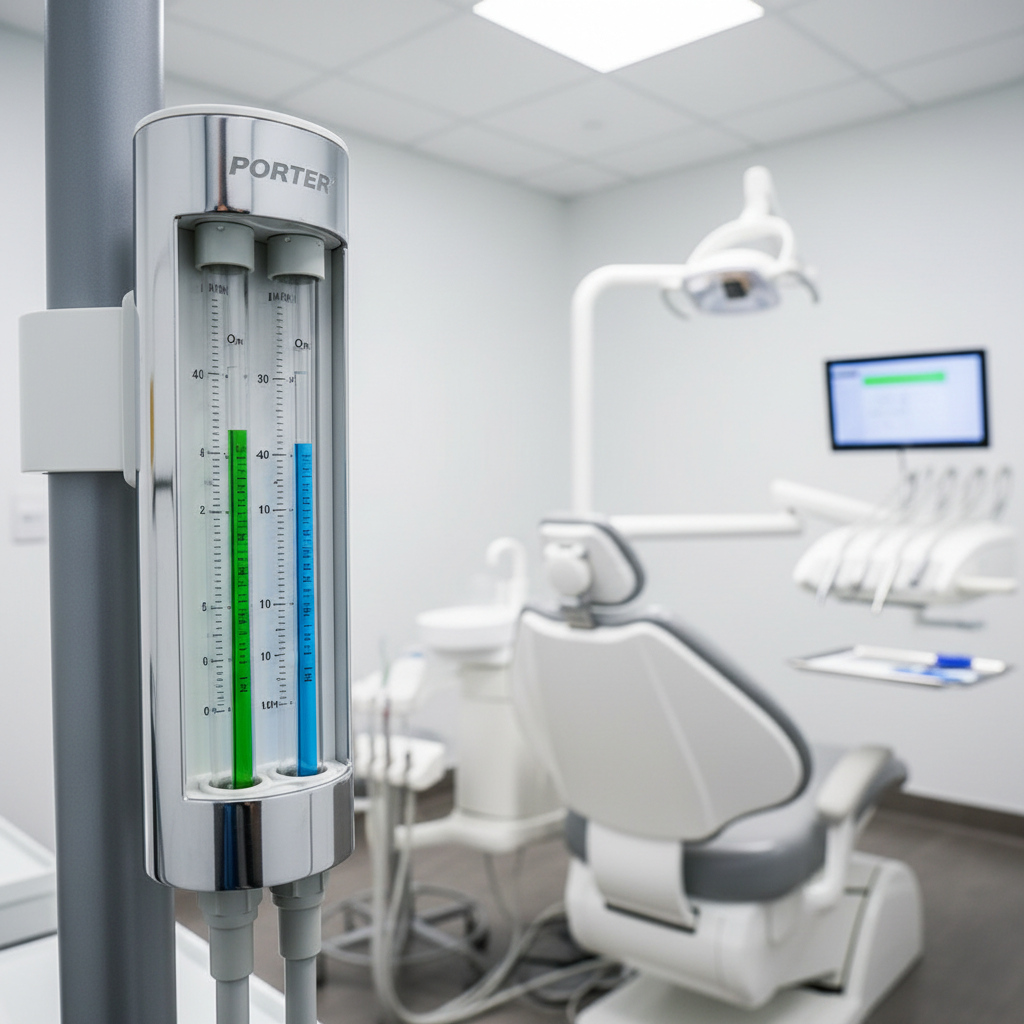
The Porter MXR-2 is a cornerstone of modern dental sedation, a crucial device designed to safely mix and deliver nitrous oxide (N2O) and oxygen (O2) to patients. As a conscious sedation machine, its primary function is to provide anxiolysis, reducing patient anxiety and discomfort during dental procedures. The flowmeter features distinct glass tubes for oxygen and nitrous oxide, with internal floats that provide a visual indication of the flow rate for each gas in liters per minute (LPM).
This precise control allows clinicians to titrate the gas mixture to meet the specific needs of each patient, ensuring a safe and effective level of sedation. The unit is equipped with several safety features, including a minimum oxygen flow (typically 30%), an oxygen flush button, and a fail-safe mechanism that shuts off the nitrous oxide supply if the oxygen pressure drops. Given its critical role in patient care, the accuracy of the Porter MXR-2 is not just a matter of performance, it's a matter of safety and regulatory compliance.
An inaccurate flowmeter poses a significant risk to patient safety. If the indicated flow rate does not match the actual flow rate, a patient could receive a hypoxic mixture (insufficient oxygen), leading to serious adverse events. Conversely, an incorrect mixture could render the sedation ineffective, causing patient anxiety and distress.
From a regulatory standpoint, maintaining calibrated medical gas equipment is a strict requirement. Standards from the National Fire Protection Association (NFPA) and guidelines from dental boards mandate that such equipment be regularly inspected and maintained by qualified professionals. Failure to comply can result in citations, fines, and potential legal liability in the event of a patient incident. For any dental practice, ensuring the precise calibration of their sedation equipment is a fundamental aspect of risk management and patient care.
Why This Matters for Compliance:
According to NFPA 99, Health Care Facilities Code (2024 Edition), specifically in Chapter 5, gas delivery systems must be maintained for accuracy and safety. While NFPA 99 primarily focuses on the building's piped gas system, the principle of accurate gas delivery extends to the final point of use: the flowmeter. An improperly calibrated flowmeter can compromise the entire system's integrity, violating the core safety principles of the code. ASSE 6000-certified personnel are trained to understand and implement these life-saving standards.
On-Site Accuracy Checks vs. Professional Calibration
While daily user checks are essential, they do not replace the need for periodic professional calibration. A facility's staff can and should perform visual inspections and basic functional tests, but true calibration requires specialized, NIST-traceable instrumentation to verify that the flowmeter's readings are accurate across its entire range of operation.
Here’s a comparison of what can be done on-site versus what requires a certified technician:
For comprehensive service, including accuracy verification and parts replacement, you need a partner like Medical Testing Solutions.
How to Test Your Porter MXR-2 Flowmeter (User Quick-Check)
Before daily use, clinicians should perform a quick check to spot obvious issues. This is NOT a substitute for calibration but can help identify problems early.
Visual Inspection: Check the glass flow tubes for any cracks, chips, or internal residue. Ensure the scale markings are legible. Examine the unit's housing for damage.
Float Ball Movement: Turn on the oxygen and ensure the float ball moves freely and smoothly without sticking as you adjust the flow control knob. Check that the ball rests at zero when the flow is off.
Test the Failsafe: With the oxygen flowing, start the flow of nitrous oxide. While both are flowing, disconnect the oxygen supply source from the wall or cylinder. The nitrous oxide float ball should drop to zero immediately. If it doesn’t, the failsafe is malfunctioning, and the unit must be removed from service instantly.
Oxygen Flush: Press the oxygen flush button. You should hear a distinct rush of high-flow oxygen, and the reservoir bag should fill rapidly.
If any of these checks fail, the unit requires professional service. Contact a certified repair provider immediately.
Signs Your Porter MXR-2 Needs Professional Calibration
Beyond a failed daily check, several signs indicate your flowmeter is due for professional service:
Sticking or Erratic Float Balls: If the floats do not move smoothly up and down as you adjust the flow.
Physical Damage: Cracks in the flow tubes, broken knobs, or a damaged housing.
Inaccurate Readings: If you suspect the sedation levels do not align with the flowmeter settings (requires clinical judgment).
Leaking: The smell of nitrous oxide in the room, or a hissing sound from the unit.
Service Interval: Most manufacturers recommend a biennial (every 2 years) calibration schedule. Check your equipment manual and local regulations.
MTS Flat-Rate Porter Flowmeter Calibration & Repair Service
To minimize downtime and provide transparent pricing, Medical Testing Solutions offers a convenient, flat-rate mail-in service for Porter, Belmed, Accutron, and Matrx flowmeters.
Our process is simple and efficient, ensuring your equipment is returned to you promptly, fully calibrated, and ready for clinical use.
How the Mail-In Service Works:
Request Service:Contact us to receive a service authorization number and a shipping label.
Package Your Flowmeter: Carefully package just the flowmeter head (disconnect it from the stand/mount and hoses). Use a sturdy box with at least 2 inches of bubble wrap or foam padding on all sides.
Ship to MTS: Ship your unit to our national repair center at 501 E Las Olas Blvd, Ste 300, Fort Lauderdale, FL 33301.
Repair & Calibration: An ASSE 6040-certified technician will perform a full diagnostic, clean the unit, replace worn seals and gaskets, and calibrate the flow using NIST-traceable instruments. If major parts (like a cracked flow tube) are needed, we will contact you with a quote before proceeding.
Return Shipment: We ship the calibrated flowmeter back to you with a Certificate of Calibration, typically within 5-7 business days.
This service ensures your equipment is handled by experts credentialed for medical gas verification, giving you peace of mind and documented proof of compliance.
Frequently Asked Questions
Most manufacturers recommend professional calibration every 2 years. However, you should always consult the manufacturer's specific instructions for your model and comply with any local or state dental board regulations, which may require a more frequent schedule.
No. True calibration requires specialized, NIST-traceable testing equipment to verify the actual flow of gas against the indicated flow on the meter. This is a service that must be performed by a trained and ASSE-certified technician.
This means that the equipment used to test your flowmeter has itself been calibrated against standards maintained by the National Institute of Standards and Technology (NIST). This creates an unbroken chain of calibration, ensuring the highest level of accuracy.
A sticking float ball is a serious issue that indicates an internal problem, such as residue or static buildup in the flow tube. The unit should be immediately removed from service and sent for professional repair. Do not attempt to clean the inside of the tubes yourself.
Medical Testing Solutions offers a flat-rate service for standard calibration and repair. This includes full diagnostics, cleaning, replacement of standard wear-and-tear parts, and the final calibration certificate. Contact us for current pricing.
Request a quote for your facility
Talk with Medical Testing Solutions about your next inspection, repair or equipment request.