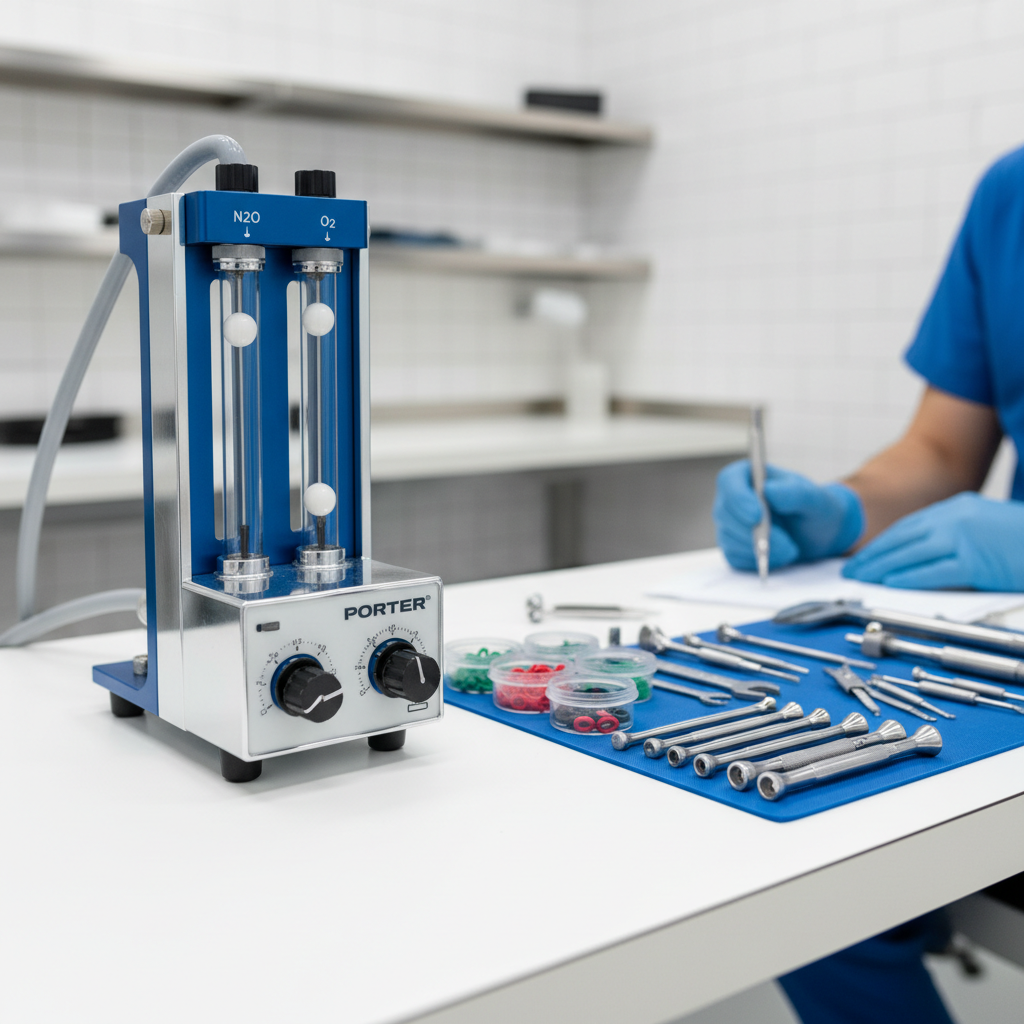
Porter Flowmeter Shipping For Repair: The Definitive Guide
Medical Testing SolutionsJune 23, 20267 min read
Share
For dental and medical facilities relying on nitrous oxide for patient sedation, the Porter flowmeter is a cornerstone of safe, effective analgesia. But like any precision instrument, it requires periodic maintenance and calibration to ensure accuracy and protect patients. When it's time for service, proper decommissioning, packing, and shipping are not just best practices, they're essential for protecting your investment and ensuring a swift return to service. Many facilities are unsure of the correct procedure, leading to shipping damage or contamination.
This definitive guide provides a step-by-step process for safely shipping your Porter flowmeter for repair. We'll cover the signs that indicate a need for service, how to properly disconnect and pack your unit, and what to expect from a professional calibration service. Following these instructions will help you maintain compliance, ensure patient safety, and extend the life of your critical equipment.
Sending your flowmeter out for service can feel like an operational hassle, but deferring it is a significant risk. Regular, professional calibration by an ASSE 6040 certified technician is a fundamental requirement for both safety and compliance. Over time, internal components degrade, seals can dry out, and the delicate balance of the flow tubes can be compromised, leading to inaccurate gas mixtures, a risk no healthcare provider can afford.
Patient Safety and Accuracy
The primary function of a flowmeter is to deliver a precise mixture of nitrous oxide and oxygen. If the calibration is off, you could be delivering a hypoxic mixture (too little oxygen) or a sub-therapeutic dose of nitrous oxide. Components like needle valves, o-rings, and diaphragms wear down with use. This degradation can lead to leaks or inaccurate flow control, directly impacting patient safety. Routine service ensures these vital components are inspected, replaced, and calibrated to exact manufacturer specifications.
NFPA 99 and ASSE 6000 Compliance
Multiple industry standards mandate the proper maintenance of medical gas systems. NFPA 99, Health Care Facilities Code (2021 Edition), requires that medical gas systems be maintained in accordance with the manufacturer's recommendations. Porter Instrument, like other manufacturers, recommends annual calibration to ensure proper function. Furthermore, the ASSE 6000 series of professional qualifications standards outlines the credentials required for individuals who work on these systems. Service should only be performed by technicians holding an ASSE 6040 Medical Gas Systems Maintainer certification.
Why This Matters for Compliance: Failure to maintain and document the service of your sedation equipment can result in citations during inspections by accrediting bodies like The Joint Commission or state dental boards. Using a certified service provider like Medical Testing Solutions ensures you receive the proper documentation to prove compliance. This is a key part of our annual medical gas inspections.
Telltale Signs Your Porter Flowmeter Needs Service
Beyond the annual service interval, your flowmeter will often provide clear signals that it requires professional attention. If you observe any of the following, it's time to schedule a repair:
Sticky or Unresponsive Flow/Mixture Knobs: Difficulty in making fine adjustments is a common sign of internal wear.
Inaccurate Ball Float Readings: If the float ball jumps, sticks, or doesn't return to zero when the unit is off, the glass flow tubes may be dirty or damaged.
Visible Damage: Cracks in the flow tubes, broken knobs, or damaged housing compromise the unit's integrity and safety.
Audible Hissing: Any sound of leaking gas from the unit itself or its connections indicates a seal has failed.
Failed Oxygen Flush Button: The inability to deliver 100% oxygen on demand is a critical failure that requires immediate attention.
Inability to Maintain Mixture Percentage: If the set N2O/O2 ratio seems to drift, the internal mixture diaphragm may be failing.
How to Decommission Your Flowmeter Before Shipping (Step-by-Step)
Properly preparing your flowmeter for shipment is the most critical part of the process. Following these steps prevents damage and contamination of the gas fittings.
Step 1: Disconnect the Gas Supply
First, locate the nitrous oxide and oxygen cylinders or wall outlets that supply the flowmeter. Close the cylinder valves completely by turning them clockwise. If you use wall outlets, disconnect the DISS hoses from the wall.
Step 2: Depressurize (Bleed) the System
With the main gas supply off, you must bleed any remaining gas trapped in the hoses and flowmeter. Turn on the flowmeter and open the flow control knobs to allow all residual gas to vent. You will see the float balls drop to the bottom of their tubes when the system is empty. Press the oxygen flush button to ensure all pressure is released from that circuit as well. Once depressurized, turn all knobs back to the "off" position.
Step 3: Detach the Flowmeter Unit
Carefully disconnect the DISS hoses from the back of the flowmeter. Next, unmount the unit from its stand, wall mount, or cabinet system. Be gentle to avoid physical damage to the housing or knobs.
Step 4: Protect the DISS Connections
This is a crucial step for preventing contamination. The DISS (Diameter Index Safety System) fittings on the back of the flowmeter must be kept clean. Use small plastic bags secured with rubber bands or tape to cover the inlet fittings. This prevents dust and debris from entering the gas pathways during shipment, which could otherwise cause significant downstream problems.
Packing & Shipping Instructions for Safe Transit
Once decommissioned, packing the unit securely is straightforward.
Use a Sturdy Box: Select a new or like-new cardboard box that allows for at least 2-3 inches of padding on all sides.
Wrap Thoroughly: Use a generous amount of bubble wrap to cushion the entire flowmeter. Pay special attention to the knobs and glass flow tubes.
Immobilize the Unit: Place the wrapped flowmeter in the box and fill all void space with packing peanuts, air pillows, or additional bubble wrap. The unit should not be able to shift during transit.
Include Your Information: Place a completed service form, business card, and return shipping address inside the box. This ensures your unit can be identified if the exterior label is damaged.
Ship to a Certified Facility: Address the box to a reputable service center like Medical Testing Solutions. We recommend using a carrier that provides tracking and insurance.
The MTS Repair Process: What to Expect
When you send your unit to Medical Testing Solutions, you're not just getting a simple repair; you're getting a complete overhaul by ASSE 6040 certified technicians. Our comprehensive dental flowmeter repair and calibration service ensures your equipment is returned to you in peak condition. The process includes:
Full Disassembly and Inspection: We break down the unit to inspect every single component for wear and potential failure.
Component Replacement: All "soft goods" are automatically replaced. This includes all o-rings, seals, and gaskets.
Thorough Cleaning: All internal gas pathways are professionally cleaned to remove any buildup or contaminants.
Precision Calibration: The flowmeter is calibrated using NIST-traceable instruments to guarantee accuracy within manufacturer specifications.
Leak Testing: The reassembled unit is pressure-tested to ensure gas-tight integrity.
Certification: A dated certificate of calibration is issued for your compliance records.
Repair vs. Replacement: A Cost-Benefit Analysis
In cases of extreme damage, replacement may be necessary. However, in most situations, a professional repair is far more cost-effective than purchasing a new unit. Our flat-rate repair service provides a predictable and affordable alternative to a major capital expense.
Feature
MTS Flat-Rate Repair
New Porter MXR Flowmeter
Estimated Cost
$395 - $495
$1,500 - $2,200+
Turnaround Time
3-5 Business Days
1-2 Weeks (Lead Time)
Warranty
1-Year on Parts & Labor
1-Year Manufacturer
Compliance
ASSE 6040 Certified & Documented
New from Factory
Sustainability
Extends Asset Life
Creates E-Waste
For facilities looking to upgrade or replace older equipment, we also offer a wide catalog of new flowmeters and other medical gas products. You can browse our equipment catalog on our products page.
Your Partner in Compliance and Safety
Properly maintaining your nitrous oxide sedation system is a critical responsibility. By following this guide, you can ensure your Porter flowmeter is shipped safely and serviced correctly, protecting your patients, your staff, and your facility. As a provider of comprehensive medical gas maintenance services, Medical Testing Solutions is here to support you.
Ready to get your flowmeter serviced by our ASSE-certified experts? Contact us today to get your flat-rate repair quote.
Per NFPA 99 guidelines and manufacturer recommendations, flowmeters should be professionally inspected and calibrated at least annually, or whenever you suspect an issue.
No. Calibrating a medical gas flowmeter requires specialized, NIST-traceable testing equipment and a deep understanding of the device's internal workings. Service must be performed by an ASSE 6040 certified technician to be compliant.
At Medical Testing Solutions, our standard turnaround time is 3-5 business days from the time we receive the unit. We also offer expedited service upon request.
Once the flowmeter has been completely depressurized by bleeding all the gas out, it is considered safe and is not a hazardous material. It can be shipped by any standard carrier.
Yes. Our certified technicians have extensive experience with all major brands, including Belmed, Accutron, Matrx, and more. Our dental flowmeter service page has more details.
Request a quote for your facility
Talk with Medical Testing Solutions about your next inspection, repair or equipment request.