Bulk oxygen systems are a lifeline for hospitals, surgery centers, and healthcare facilities. But their storage and handling come with significant risks if not managed correctly. For facilities in Vero Beach, Florida, ensuring your oxygen tank room complies with the National Fire Protection Association (NFPA) 99 Health Care Facilities Code is not just a best practice, it's a legal requirement. A compliant oxygen storage room is critical for patient safety, staff security, and operational integrity. This guide will walk you through the essential elements of an oxygen tank room inspection, focusing on the specific requirements outlined in NFPA 99, to help you prepare for and pass your next inspection with confidence.
Medical Gas Service
Compliance & Standards
Oxygen Tank Room Inspection in Vero Beach, FL: A Compliance Guide
Medical Testing SolutionsSeptember 26, 20268 min read
What is an Oxygen Tank Room Inspection?
An oxygen tank room inspection is a comprehensive evaluation of a healthcare facility's bulk oxygen storage system, performed by a qualified ASSE 6040 Certified Medical Gas Maintenance Person. The inspection verifies that all components of the system, from the tank and vaporizer to the piping, alarms, and the room itself, are installed, maintained, and operating in accordance with the strict guidelines of NFPA 99. The primary focus is on NFPA 99, Chapter 5.1.3.5, which details the specific requirements for the location and construction of bulk oxygen systems.
These inspections are a critical part of a facility's overall safety program. A failure in the bulk oxygen system can have catastrophic consequences, including explosions, fires, and a complete loss of medical gas supply to patients. Regular, thorough inspections ensure the system remains safe, reliable, and compliant, protecting your patients, staff, and facility.
Key NFPA 99 Requirements for Your Oxygen Storage Location
NFPA 99 sets forth clear, non-negotiable standards for the location and construction of bulk oxygen supply systems. These rules are designed to mitigate the inherent risks of storing large quantities of a powerful oxidizer. An inspector will pay close attention to the following areas.
Outdoor Placement and Separation Distances
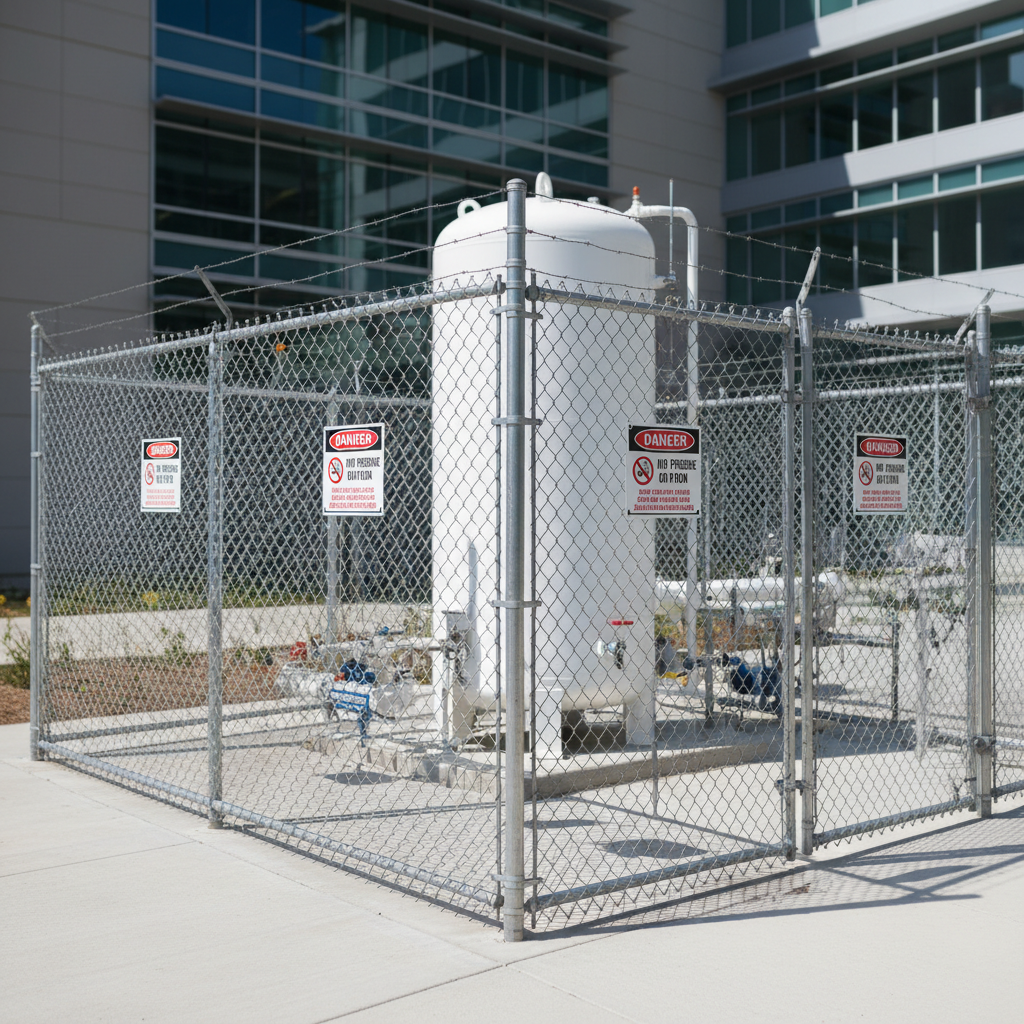
The preferred and most common location for a bulk oxygen tank is outdoors, on a concrete pad. NFPA 55, which is referenced by NFPA 99, provides a table of minimum separation distances from various exposures. The inspector will measure the distance from the tank to:
- Buildings: Must be a specific distance away from any building on the same property.
- Property Lines: A minimum distance is required from any public sidewalk or adjoining property where a building could be constructed.
- Combustible Materials: The area must be clear of flammable or combustible materials, including dumpsters, sheds, and overgrown vegetation.
- Public Assembly Areas: Safe distances must be maintained from places like parks, sports fields, or public seating areas.
- Vehicle Traffic: The system must be protected from potential impact by vehicles, often with bollards or guardrails.
Indoor Installation Restrictions
While outdoor installation is standard, NFPA 99 (5.1.3.5.5) allows for indoor installation under very strict conditions. If your system is indoors, it must be in a dedicated room constructed specifically for that purpose. This room must:
- Be of noncombustible or limited-combustible construction.
- Have a fire-resistance rating of at least 2 hours.
- Not communicate directly with anesthetizing locations or other areas where flammable anesthetics are stored or used.
- Be vented directly to the outdoors.
Why this matters for compliance: Improper location is one of the most common and serious violations found during an inspection. Failing to meet the minimum separation distances can result in a failed inspection and require costly relocation of the entire system. A thorough annual medical gas inspection by a certified technician can identify these issues before they become a major problem.
Structural & Security Requirements for the Room
The enclosure or room housing the oxygen system is just as important as the equipment itself. It serves as the primary barrier against unauthorized access and external hazards.
Construction and Access
The enclosure must be constructed of noncombustible materials. A chain-link fence with locked gates is common for outdoor systems. The gates and any doors must be kept locked at all times to prevent tampering or vandalism. Signage is also critical. "No Smoking" and "No Open Flames" signs, along with warnings about the presence of medical oxygen, must be clearly posted.
Electrical and Ignition Source Control
No potential ignition sources are permitted within the enclosure. This includes:
- Electrical Equipment: All electrical devices, including lighting, must be suitable for the location and installed in accordance with NFPA 70, National Electrical Code.
- Heating: If heating is required to keep equipment operational, it must be provided by steam, hot water, or other indirect means.
- Smoking/Flames: Absolutely no smoking or open flames are allowed. Inspectors will check for any evidence of smoking, such as cigarette butts.
Ventilation and Environmental Controls
Proper ventilation is paramount in an oxygen tank room to prevent the dangerous accumulation of oxygen-enriched air. An oxygen-enriched atmosphere (above 23.5% oxygen) significantly increases the risk and intensity of a fire.
Natural vs. Mechanical Ventilation
NFPA 99 requires that any enclosure be adequately ventilated. For outdoor enclosures, natural ventilation is usually sufficient, provided there are openings at the top and bottom to allow air to circulate freely. For indoor rooms, a dedicated mechanical ventilation system is required. This system must:
- Be powered by an electrical circuit on the essential electrical system (emergency power).
- Provide a specific number of air changes per hour, as dictated by the code.
- Exhaust directly to a safe location outdoors.
An inspector will verify the type of ventilation and, for mechanical systems, may check fan operation and power supply. For more complex environmental concerns, such as volatile organic compounds, consider a specialized service like environmental monitoring solutions.
Bulk Oxygen System Components Inspection
Beyond the room itself, the inspector will examine the key components of the supply system.
The Cryogenic Vessel (Tank)
The main tank will be checked for its general condition, including any signs of corrosion, physical damage, or leaks. The inspector will verify that its pressure relief valve is correctly installed and that its discharge is piped to a safe location away from people or ignition sources.
Vaporizers and Heaters
Vaporizers convert the liquid oxygen into a gas. The inspector will check their condition, ensure they are clean, and verify that any heaters are functioning correctly and are of an approved type.
Alarms and Monitoring
The master alarm system is a critical safety feature. The inspection will include a test of the main supply and reserve supply alarms to ensure they activate correctly when triggered. This verifies that your facility will be alerted in the event of a system malfunction or if the reserve tank is activated.
Common Inspection Failures and How to Avoid Them
At Medical Testing Solutions, we've seen common, preventable issues cause facilities to fail their inspections. Being proactive can save you time, money, and stress.
| Common Failure | How to Prevent It |
|---|---|
| Improper Separation Distances | Before installation, have a certified professional like MTS conduct a site survey. For existing systems, keep the area clear of parked cars, dumpsters, and overgrown vegetation. Verify distances with an ASSE 6030 verifier. |
| Combustible Materials in Enclosure | Regularly police the area. Do not use the oxygen room for general storage. Remove weeds, trash, and any flammable items immediately. |
| Unlocked Gates / Lack of Signage | Implement a strict key control policy. Ensure all required warning signs ("No Smoking," "Oxygen," etc.) are in place, legible, and securely fastened to the enclosure. |
| Blocked Ventilation Openings | Ensure that ventilation louvers or openings are not obstructed by equipment, storage, or debris. For natural ventilation, make sure there are openings at both high and low levels. |
| Failed Main/Reserve Alarm Test | Perform regular operational checks on your alarm panels as part of your facility's maintenance schedule. Engage a company like Medical Testing Solutions for routine maintenance. |
| Inadequate Documentation | Keep a logbook at or near the oxygen room detailing all maintenance, deliveries, and inspections. Ensure your facility's preventative maintenance plan is up to date. |
Partner with ASSE-Certified Experts
Navigating the complexities of NFPA 99 requires specialized expertise. The team at Medical Testing Solutions holds ASSE 6000 series certifications, including ASSE 6010 for installers, ASSE 6030 for verifiers, and ASSE 6040 for maintenance personnel. We provide comprehensive medical gas verification and inspection services across Florida, including Vero Beach. Our certified technicians can perform your annual oxygen tank room inspection, identify potential issues, and provide a detailed report to ensure you meet all regulatory requirements.
Secure Your Compliance Today
Don't wait for a surveyor to find a problem. Proactive compliance is the best way to ensure patient safety and protect your facility. The certified professionals at Medical Testing Solutions provide thorough, reliable oxygen tank room inspections in Vero Beach and throughout Florida. We help you identify and resolve issues before they become costly violations.
Contact us today to schedule your inspection or to get a quote for our comprehensive medical gas services. Call us at (754) 315-1078 or request a quote online to ensure your facility is safe and compliant.
Frequently Asked Questions
Bulk oxygen systems should be inspected as part of your facility's routine maintenance plan, and a comprehensive inspection should be performed at least annually by a qualified individual (e.g., ASSE 6040 certified) to ensure ongoing compliance with NFPA 99.
According to NFPA 99, inspections and maintenance must be performed by a qualified, competent individual. The industry best practice is to use a technician certified to the ASSE 6040 Medical Gas Systems Maintenance Personnel standard.
If an inspection reveals deficiencies, the inspector will provide a report detailing the findings. The facility is then responsible for correcting the issues within a specified timeframe. For critical safety issues, the system may need to be taken out of service until it is repaired.
No. The room or enclosure for a bulk oxygen system should be dedicated solely to that system. Storing other materials, especially other flammable or compressed gases, is a serious violation and fire hazard.
A verification is a one-time process performed on new or modified systems to ensure they are safe to be placed into service (ASSE 6030). An inspection is a periodic check to ensure the system continues to operate safely and remains compliant over time.
Request a quote for your facility
Talk with Medical Testing Solutions about your next inspection, repair or equipment request.