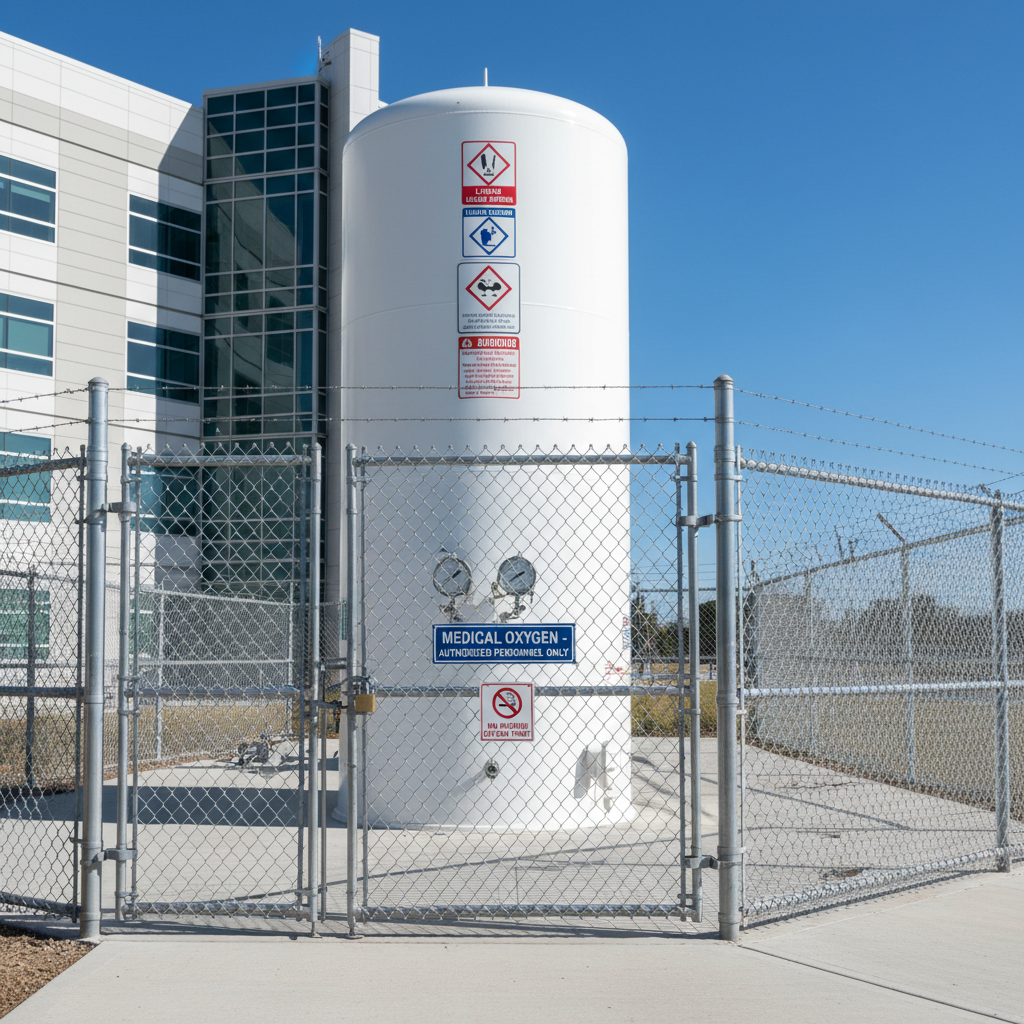
Introduction to Bulk Oxygen System Compliance in Pompano Beach, FL
Bulk oxygen systems are a lifeblood for hospitals, surgery centers, and other healthcare facilities. Ensuring the safe storage and delivery of medical-grade oxygen is not just a best practice, it's a strict regulatory requirement governed by the National Fire Protection Association (NFPA). For facilities in Pompano Beach, FL, a key part of this is the regular inspection of bulk oxygen tank rooms. This guide will walk you through the critical requirements for an NFPA 99-compliant oxygen tank room inspection, covering everything from system components and signage to ventilation and security, ensuring your facility remains safe and violation-free.
Understanding NFPA 99 5.1.3.5: The Core of Oxygen Room Inspections
The cornerstone of bulk oxygen system safety is NFPA 99, the Health Care Facilities Code. Specifically, section 5.1.3.5 outlines the detailed requirements for the location and construction of these critical areas. An inspection evaluates whether your oxygen storage and control equipment, from the tanks themselves to the vaporizers and pressure relief valves, adheres to these standards. Compliance is mandatory for patient safety and to avoid costly penalties or operational shutdowns.
At Medical Testing Solutions, our ASSE-certified technicians specialize in these detailed inspections, helping facilities across South Florida navigate the complexities of NFPA code. An annual medical gas inspection is the best way to ensure continuous compliance and patient safety.
Why this matters for compliance: Failure to adhere to NFPA 99 5.1.3.5 can result in immediate red-tagging of a system, halting patient care. Regular, qualified inspections are your first line of defense against non-compliance and its severe consequences.
Key Components of an Oxygen Tank Room Inspection Checklist
A thorough inspection is not a quick walkthrough. It involves a systematic check of every component of your bulk oxygen system. Our technicians use a detailed checklist based on NFPA, ASSE, and Compressed Gas Association (CGA) standards.
1. Location and Accessibility
- Outdoor Placement: The system must be located outdoors or in a building constructed for this specific purpose.
- Distance from Hazards: Inspectors verify the system is situated specific distances away from combustible materials, public sidewalks, and building openings. For example, vents and openings into the storage location must be at least 50 feet from building air intakes.
- Emergency Access: The area must be easily accessible for emergency services and for authorized personnel to perform maintenance.
2. System Security and Signage
- Secure Enclosure: The bulk oxygen system must be secured by a lockable fence or located within a lockable room to prevent unauthorized access.
- Warning Signs: Inspectors check for proper signage, including "No Smoking," "No Open Flames," and other warnings as specified by NFPA 99. A prominent sign must indicate "Medical Gases" and "No Trespassing."
3. Ventilation and Construction
- Adequate Ventilation: Proper air circulation is critical to prevent the buildup of oxygen-enriched atmospheres. For indoor locations, inspectors verify the mechanical ventilation system meets code requirements for air changes per hour.
- Fire-Resistant Construction: The walls, floor, and ceiling of an indoor oxygen room must be constructed of noncombustible materials with a specific fire-resistance rating.
4. System Hardware and Piping
- Pressure Relief Valves: These must be correctly installed and vented to a safe outdoor location, away from people or flammable materials.
- Piping Integrity: All oxygen piping is inspected for leaks, proper labeling, and support. A comprehensive medical gas verification ensures the entire system, from source to patient outlet, is safe and effective.
- Vaporizers and Heaters: The inspector checks that any heating equipment used to ensure adequate gas flow is installed correctly and meets safety standards.
Common Inspection Failures and How to Avoid Them
Many facilities in Pompano Beach face similar, preventable issues during an oxygen tank room inspection.
- Improper Signage: Missing or faded signs are a common and easily fixable violation.
- Blocked Access: Storage of unrelated equipment (e.g., landscaping tools, spare parts) inside the enclosure is strictly forbidden.
- Inadequate Security: Broken locks or gaps in fencing can lead to an immediate inspection failure.
- Combustible Materials Nearby: Vegetation, dumpsters, or flammable liquids stored too close to the oxygen system pose a significant fire risk.
Solution: Conduct regular self-audits. Designate a facility manager to perform a monthly walkthrough using a simplified checklist to catch these issues before the official inspector arrives.