In the complex world of healthcare facility management, ensuring electrical safety is paramount. This is especially true in operating rooms, ICU, and other critical care areas where patients are most vulnerable. The National Fire Protection Association (NFPA) sets the standard for safety, and NFPA 99, the Health Care Facilities Code, is the definitive guide. Specifically, Chapter 6, "Electrical Systems," outlines the stringent requirements for isolated power systems and their sentinels: Line Isolation Monitors (LIMs). For facility managers, biomedical engineers, and healthcare administrators, understanding these rules isn't just about compliance, it's about patient safety. This guide breaks down the essential elements of NFPA 99's LIM requirements into plain English, providing a clear path to understanding, implementation, and inspection readiness. We will explore what a LIM is, its role in wet procedure locations, and the specific testing and maintenance mandated by the code.
NFPA 99 Chapter 6 Line Isolation Monitor Rules: A Plain-English Guide
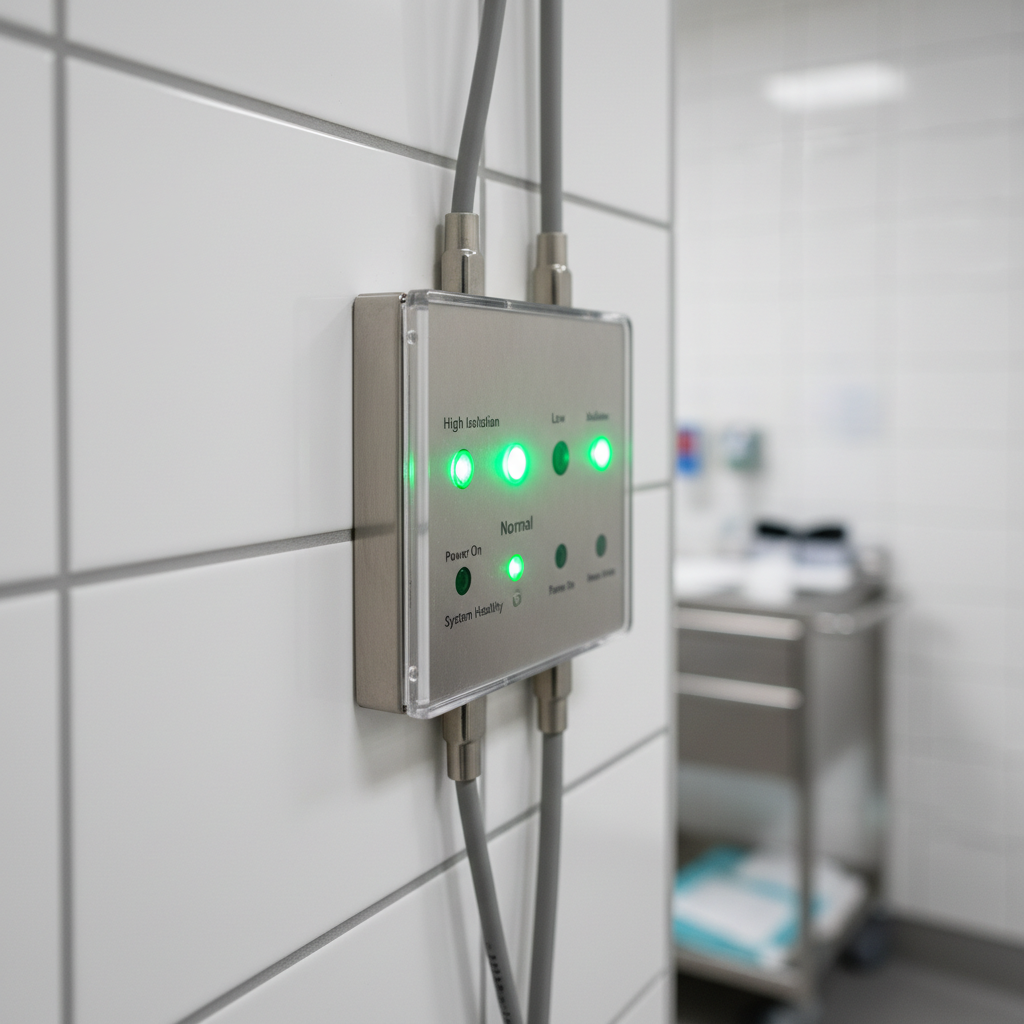
What is a Line Isolation Monitor (LIM)?
A Line Isolation Monitor is a safety device that continuously monitors the integrity of an ungrounded Isolated Power System (IPS). Its primary job is to predict a potential electrical fault before it can become a life-threatening hazard. Unlike a standard circuit breaker, which trips after a fault occurs, a LIM provides an early warning that the system's isolation from the ground has been compromised.
The Purpose of Isolated Power Systems
In "wet procedure locations" like operating rooms, the risk of electrical shock is significantly higher. An Isolated Power System is required in these areas to mitigate this risk. An IPS uses an isolation transformer to create a power supply that is electrically isolated from the ground. This means that a person who accidentally comes into contact with one of the live conductors and a grounded surface will not complete a circuit, thus preventing a dangerous electrical shock.
How LIMs Protect Patients and Staff
The LIM is the guardian of this isolated system. It measures the system's "hazard current", the total leakage current from all the equipment plugged into the circuit. If this leakage current exceeds a preset, safe threshold (typically 5.0 milliamperes for new construction, as per NFPA 99), the LIM will trigger audible and visual alarms. This alarm does not shut off the power; instead, it alerts the clinical staff to the potential hazard, allowing them to identify and remove the faulty piece of equipment without interrupting power to life-sustaining devices.
Why This Matters for Compliance: NFPA 99 (2012 Edition, Section 6.3.2.2.1) mandates that all patient care rooms shall be classified as wet procedure locations unless a risk assessment conducted by the health care governing body determines otherwise. This makes understanding and correctly implementing LIMs a non-negotiable aspect of facility design and safety protocol.
Decoding NFPA 99, Chapter 6: Electrical Systems
Chapter 6 of NFPA 99 is the authoritative text on all things electrical within a healthcare facility. When it comes to LIMs, several sections are critically important for ensuring compliance and safety.
Key Provisions for Wet Procedure Locations
The code defines a wet procedure location as an area where procedures are performed that are normally subject to wet conditions while patients are present, including standing fluids on the floor or drenching of the work area. Section 6.3.2.2.1 of the 2012 NFPA 99 edition requires either an Isolated Power System (complete with a LIM) or Ground-Fault Circuit Interrupters (GFCIs) in these areas. However, because GFCIs abruptly cut power upon detecting a fault, a dangerous situation during surgery, Isolated Power Systems are the standard of care in operating rooms.
The Hazard Current Threshold
NFPA 99 sets a specific limit for the total hazard current that a LIM must be able to detect. For new facilities and equipment, the LIM alarm must be activated when the total hazard current reaches 5.0 mA. This threshold is considered the maximum acceptable leakage before the system poses a significant shock risk. The technicians at Medical Testing Solutions can perform precise measurements to ensure your LIMs are calibrated correctly. For a full evaluation, consider our comprehensive Line Isolation Monitor Testing services.
Line Isolation Monitor Testing Requirements (NFPA 99 6.3.4.1)
NFPA 99 is explicit about the need for regular testing to ensure LIMs function as intended. These are not suggestions; they are code requirements that are verified during facility inspections.
Per Section 6.3.4.1, "Line Isolation Monitor Tests," the following procedures must be observed:
- After Installation: Before a new LIM system is put into service, it must be tested to ensure it is functioning correctly. This is a key part of the medical gas verification process for new construction or renovation, often performed by an ASSE 6030 certified verifier.
- Periodic Retesting: Section 6.3.4.1.4 states that LIM circuits must be tested at least every 12 months. This testing involves simulating a fault to ensure the audible and visual alarms activate at the correct mA threshold.
- Documentation: Every test must be documented. The records should include the date of the test, the room or area tested, and the results. These logs are essential for demonstrating compliance during an inspection from organizations like The Joint Commission or CMS.
Medical Testing Solutions provides certified annual medical gas inspections that include thorough LIM testing and documentation to keep your facility compliant and safe.
The Inspector's Checklist for LIM Compliance
An inspector will likely follow a systematic process to verify your LIM systems. Use this checklist to prepare your facility.
- Verify Documentation: Are testing and maintenance logs for each LIM complete, up-to-date, and readily accessible?
- Check Alarm Setpoints: Does the LIM alarm activate at the NFPA 99-required threshold (5.0 mA for new systems)?
- Test Visual & Audible Alarms: When the LIM's test button is pressed, do the green (safe) and red (hazard) lights, as well as the audible alarm, function correctly?
- Confirm Remote Indicators: If remote indicator panels are installed (e.g., at the charge nurse's station), do they activate in sync with the primary LIM panel?
- Inspect Physical Condition: Are the LIM panels free from damage, and are all labels legible?
- Review Staff Knowledge: Does clinical staff know what the LIM alarm means and the proper procedure to follow when it activates? (e.g., reporting the alarm, identifying potential faulty equipment).
Common vs. Code-Required LIM Checks
While daily checks are a good practice, they are not a substitute for the annual testing required by NFPA 99. The table below clarifies the difference.
| Check Type | Who Performs | Frequency | Procedure | Purpose |
|---|---|---|---|---|
| Staff Function Test | Clinical Staff | Recommended Before First Case Daily | Press the "Test" or "Push-to-Test" button on the LIM panel. | Ensures the indicator lights and audible alarm are working. It does not verify the trip-point accuracy. |
| NFPA 99 Required Test | Certified Technician (e.g., ASSE 6030 Certified) | At least every 12 months & after installation | Use specialized equipment to simulate faults and measure the exact hazard current at which the LIM alarms. | Verifies the LIM is accurately calibrated to the NFPA 99 standard of 5.0 mA and that all system components are functioning correctly. |
Why Choose a Certified Partner for LIM Testing?
Proper LIM testing requires specialized knowledge and calibrated equipment. It is not a task for an untrained electrician. Working with a certified partner like Medical Testing Solutions ensures that your facility meets all code requirements. Our technicians are ASSE 6010 and 6030 certified, meaning they have undergone rigorous training and examination on all aspects of medical gas and related electrical systems, including medical gas installation. We provide the meticulous testing and detailed documentation you need for peace of mind and inspection-readiness.
Ensure Your Facility is Compliant and Safe
Navigating the complexities of NFPA 99 can be challenging, but it's a critical part of ensuring patient and staff safety. Line Isolation Monitors are a cornerstone of electrical safety in critical care areas. Proactive, certified testing is not just about checking a box for an inspector, it's about preventing tragedy.
If you have questions about your Line Isolation Monitors or need to schedule a certified inspection, contact the experts at Medical Testing Solutions. Our ASSE-certified team is ready to help you achieve full compliance.
Ready to ensure your facility is up to code? Request a quote online or call us directly at +1 (754) 315-1078 to schedule your LIM testing service. '''
Frequently Asked Questions
Request a quote for your facility
Talk with Medical Testing Solutions about your next inspection, repair or equipment request.