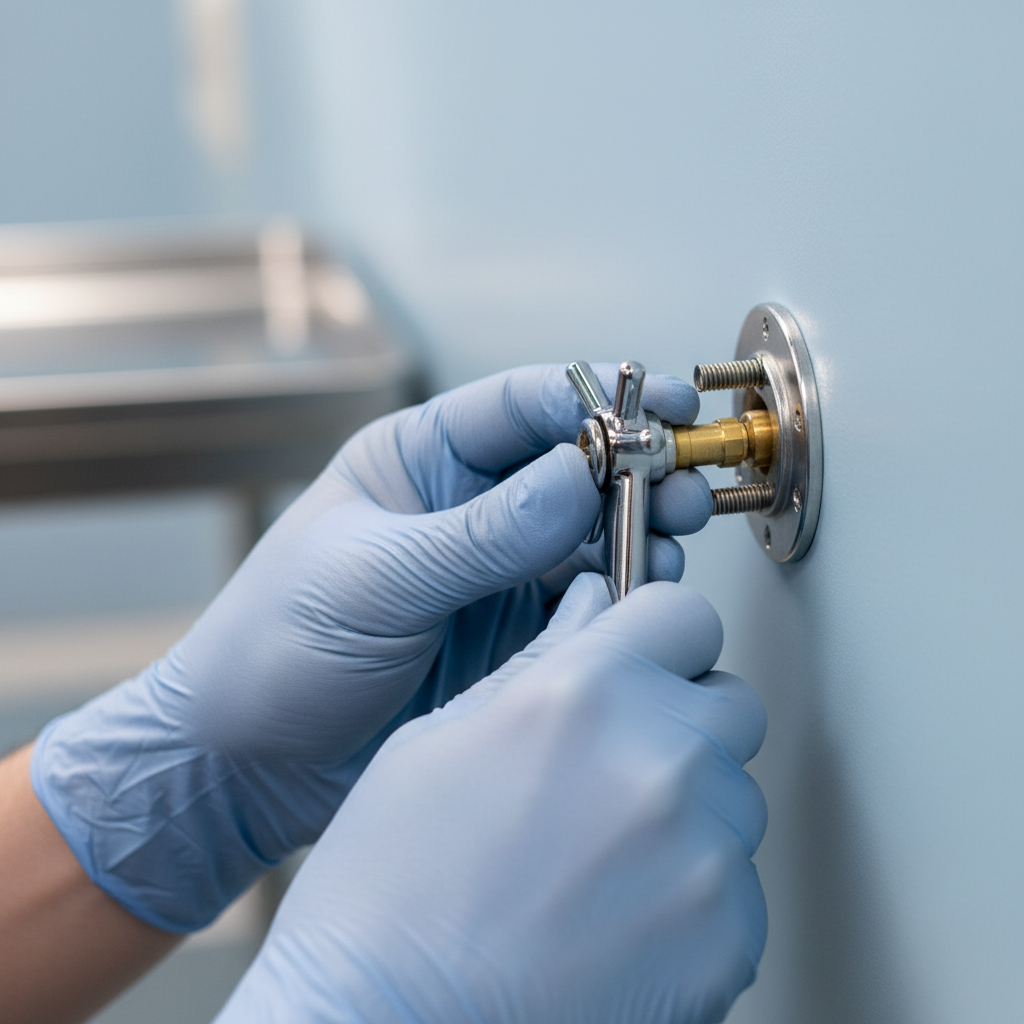
Medical Gas Outlet Repair in Sunrise, FL: An ASSE-Certified Guide
Medical gas outlets are the critical final link in your facility's gas delivery system. A faulty outlet, a leaking zone valve, or a damaged inlet can compromise patient safety, disrupt operations, and lead to costly compliance issues. For healthcare facilities in Sunrise, Florida, understanding the nuances of medical gas outlet repair is not just about fixing a part, it's about ensuring your entire system operates safely and reliably in accordance with strict regulatory standards. This guide provides a definitive overview of the repair process for common outlet and valve types, including Ohmeda, Chemetron, and Puritan-Bennett, explains the relevant NFPA 99 codes, and outlines when to call in certified professionals for maintenance and repair.
The Anatomy of a Medical Gas Outlet System: More Than Just a Wall Plate
A "medical gas outlet" is often used as a catch-all term, but it's part of a larger assembly that includes several key components, each with a specific function and potential failure point. Understanding these parts is crucial for accurate diagnosis and repair.
Wall Outlets (DISS, Ohmeda, Chemetron)
These are the primary patient-facing interfaces. They are gas-specific, designed with unique indexing to prevent cross-connection. Common issues include worn or damaged faceplates, latching problems, and internal leaks from degraded seals.
Zone Valves
Located upstream from the outlets, zone valves control gas flow to a specific area or "zone" of the facility. They are essential for isolating sections during emergencies or for maintenance without shutting down the entire hospital. A failing zone valve may not close completely or can develop leaks, compromising its primary safety function.
Inlets
Inlets are the connection point for portable gas cylinders or other external sources, often found in emergency rooms or specialized procedure areas. Damage to these inlets can prevent a secure connection, leading to significant gas loss and unavailability of the source.
Identifying the Need for Repair: Common Signs & Symptoms
Proactive identification is key to preventing emergencies. Facility managers and clinical staff should be aware of these common warning signs:
- Audible Hissing: The most obvious sign of a leak, often originating from the outlet face, valve box, or connection points.
- Difficulty Connecting/Disconnecting Equipment: A worn latching mechanism or damaged indexing pins can make it hard to insert or remove flowmeters and other equipment.
- Visible Damage: Cracks, missing parts, or excessive wear on the outlet faceplate or valve handle are clear indicators that repair is needed.
- Low Flow or Pressure: While often related to central source issues, a malfunctioning outlet or valve can restrict gas flow, impacting downstream equipment performance.
- Alarms: Your master or area alarm panel may indicate a pressure drop in a specific zone, pointing to a significant leak that requires immediate attention.
Why this matters for compliance: NFPA 99 (2021) Section 5.1.9.5 mandates that any issues identified with the medical gas system must be reported and repaired. A documented process for identifying, reporting, and remedying leaks and malfunctions is essential for passing your annual medical gas inspections.
Comparing Common Outlet Brands: Ohmeda vs. Chemetron vs. Puritan-Bennett
While all serve the same purpose, the three most common brands in US hospitals have distinct designs that affect the repair process. Medical Testing Solutions technicians are ASSE 6040 certified to service all major brands.
| Feature | Ohmeda (now part of BeaconMedaes) | Chemetron (now part of Allied) | Puritan-Bennett (now part of Med-Dyne) |
|---|---|---|---|
| Connection Type | Quick-Connect (twist and lock) | Quick-Connect (push to lock) | Quick-Connect (push to lock) |
| Repair Kit | Specific to Ohmeda; involves O-rings, poppet assembly. | Specific to Chemetron; involves seals and latch components. | Specific to PB; often requires full front body replacement. |
| Common Failure | Worn internal poppet seal, damaged latch ring. | Faceplate wear, weak latching mechanism. | Cracks in the plastic body, internal leaks. |
| Repair Complexity | Moderate; requires specialized tools. | Moderate; straightforward for certified techs. | Can be higher; sometimes more cost-effective to replace. |