Medical Gas Outlet Repair in Jupiter FL: A Complete Guide
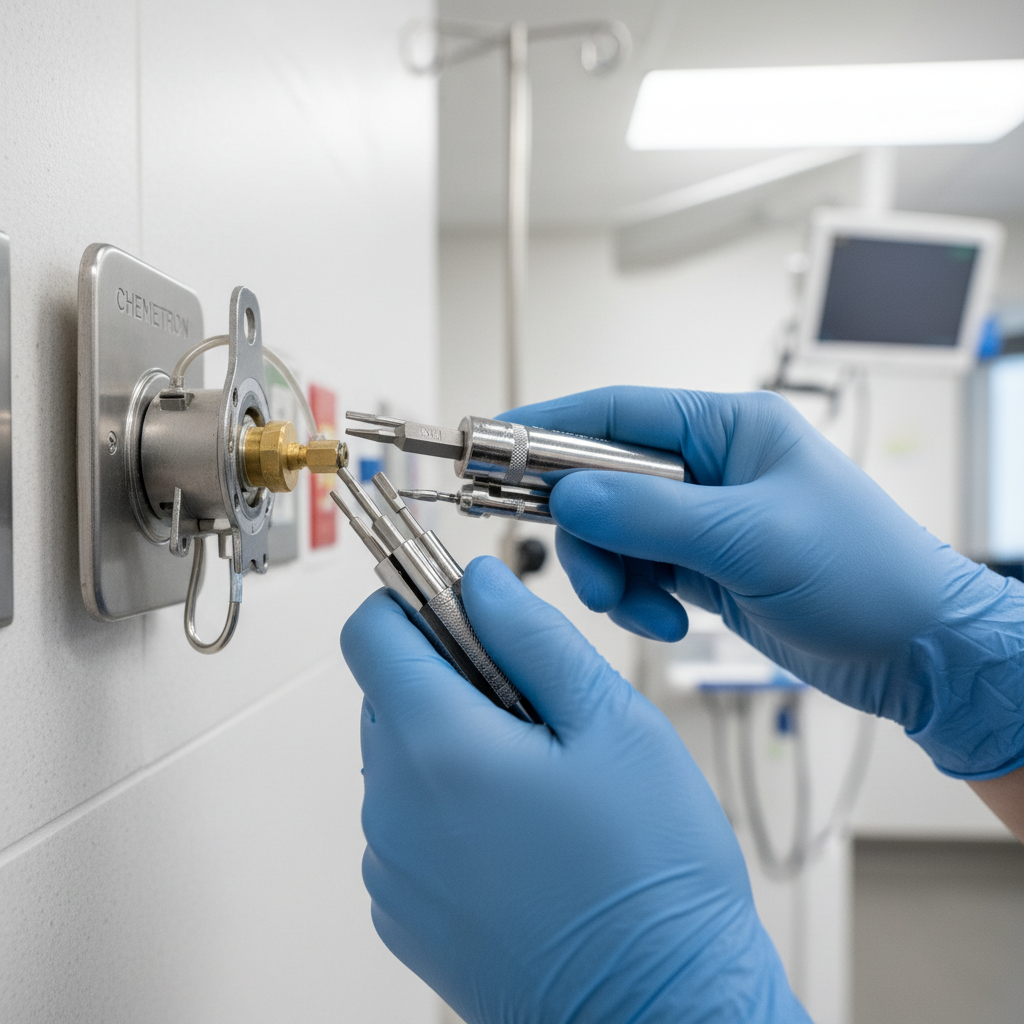
Medical gas systems are the lifeline of any healthcare facility, delivering critical gases like oxygen, medical air, and nitrous oxide directly to patients. The integrity of this system depends on every component working flawlessly, especially the terminal units—the medical gas outlets. When an outlet, zone valve, or inlet malfunctions, it can compromise patient safety and lead to operational downtime. This guide provides a definitive overview of medical gas outlet repair in Jupiter, FL, focusing on systems from major brands like Ohmeda, Chemetron, and Puritan-Bennett. You will learn the signs of outlet failure, the importance of ASSE-certified repair procedures, and how to maintain compliance with NFPA 99 standards.
Identifying Common Medical Gas Outlet Problems
Recognizing the early signs of a failing medical gas outlet is crucial for preventing emergencies. Facilities in Jupiter should be vigilant for these common issues:
- Leaks: Hissing sounds or a drop in system pressure indicated by your monitoring system are hallmark signs of a leak. Leaks can occur at the outlet faceplate, the valve body, or the back pipe connection.
- Connection Problems: Difficulty connecting or disconnecting equipment, or a loose fit, suggests worn or damaged internal components. The latching mechanism is a common point of failure.
- Low Flow or Pressure: If equipment connected to an outlet shows low flow or pressure, the issue could be the outlet itself, not just the central supply. Internal obstructions or damaged seals are often the culprits.
- Physical Damage: Visible cracks, dents, or broken parts on the outlet faceplate or trim are immediate red flags requiring professional assessment.
Diagnostic Steps for Facility Managers
While a certified technician must perform the actual repair, facility managers can take initial steps to diagnose the problem:
- Isolate the Issue: If possible, confirm whether the problem affects a single outlet, a group of outlets in one zone, or the entire facility.
- Use a Test Gauge: An ASSE 6040 certified technician can use a calibrated pressure gauge at the outlet to verify if the pressure matches the system’s specified operating pressure.
- Check for Obvious Damage: Visually inspect the outlet and the surrounding area for any signs of physical harm or tampering.
Ohmeda vs. Chemetron vs. Puritan-Bennett: Key Repair Differences
Each major brand of medical gas outlet has a unique design, requiring brand-specific parts and repair expertise. Using incorrect parts can lead to leaks, connection failures, and serious safety hazards.
| Feature | Ohmeda (now part of GE) | Chemetron | Puritan-Bennett |
|---|---|---|---|
| Connection Type | Diamond-shaped, proprietary latching mechanism. | Quick-connect with a distinct "click." Different latching for different gases. | Twist-style connection or quick-connect. |
| Common Failure | Worn latch pawls and seals. | Damaged o-rings and check valves. | Cracked faceplates and worn locking mechanisms. |
| Repair Nuance | Requires special tools to release the latch assembly. | Often requires full front body replacement for major leaks. | Specific o-ring kits are needed; back body must be held steady. |
| Key Takeaway | Do not force equipment; a proper connection is smooth. | Ensure the gas-specific adapter fully seats. | Avoid over-tightening the twist-lock collar. |
At Medical Testing Solutions, our ASSE 6040 certified technicians are trained to service all major brands, ensuring the correct, manufacturer-approved parts are used every time.
The Role of Zone Valves and Inlets in System Integrity
Outlets are just one part of the equation. Zone valve boxes and inlets are critical control points that also require routine inspection and maintenance.
- Zone Valves: These allow staff to shut off the gas supply to a specific area or "zone" during an emergency or for maintenance without disrupting the entire facility. A stuck or leaking zone valve can be a major liability.
- Inlets: Primarily used for nitrogen systems for powering surgical tools or for emergency supply connections, inlets must provide a secure, leak-free seal.
Regular inspection of these components, as part of an annual medical gas inspection program, is mandated by NFPA 99 and is essential for safety.
NFPA 99 and ASSE 6000 Standards: The Rules of Repair
Compliance is non-negotiable in medical gas systems. Several codes and standards govern the repair and maintenance of outlets and zone valves.
- NFPA 99 (Health Care Facilities Code): Chapter 5 outlines the requirements for medical gas and vacuum systems. It mandates that any maintenance, including repairs, be performed by qualified individuals and that the system be tested afterward to ensure its integrity.
- ASSE 6040 (Medical Gas Systems Maintainer): This is the key certification for professionals performing maintenance and repairs on medical gas systems. An ASSE 6040 certified technician has demonstrated proficiency in system maintenance, from the source to the outlet.
- ASSE 6030 (Medical Gas Systems Verifier): After any modification or repair that involves breaching the pipeline, a full system verification by an ASSE 6030 verifier is required. This ensures that the system is safe, pure, and ready for patient use.
Why this matters for compliance: Using an uncertified individual for repairs violates NFPA 99 standards, can void equipment warranties, and puts your facility and patients at significant risk. Always demand proof of ASSE 6040 certification for maintenance and ASSE 6030 for post-repair verification.
The Medical Gas Outlet Repair Process
A professional, compliant repair process follows a strict protocol to ensure safety and system purity.
- Assessment and Identification: The technician confirms the location of the faulty outlet and identifies the gas type and manufacturer.
- Notification: Staff in the affected area are notified of the impending temporary shutdown.
- Isolation: The technician isolates the specific zone using the appropriate zone valve.
- Repair/Replacement: The faulty outlet is disassembled, and worn or damaged components are replaced with new, OEM-approved parts. In some cases, the entire outlet assembly may be replaced.
- Initial Testing: The technician performs a local test for leaks and proper function at the repaired outlet.
- Re-pressurization and Verification: The zone is brought back online. An ASSE 6030 verifier then conducts tests to ensure there are no cross-connections, that pressure and flow are correct, and that gas purity has not been compromised.
- Documentation: All actions taken, parts used, and verification results are meticulously documented for facility records.
Why Choose Medical Testing Solutions for Your Jupiter Facility?
Choosing the right partner for medical gas outlet repair is a critical decision. Medical Testing Solutions provides ASSE-certified expertise right here in Florida. Our team is headquartered in Fort Lauderdale but serves facilities throughout the state, including Jupiter. We are not just a service provider; we are a partner in compliance and patient safety. Our technicians hold ASSE 6010, 6030, and 6040 certifications, meaning we can handle everything from new installations to routine maintenance and emergency repairs. We understand the specific needs and regulatory environment of Florida healthcare facilities.
FAQs About Medical Gas Outlet Repair
Q: How often should medical gas outlets be tested?A: NFPA 99 requires that medical gas outlets be tested by a certified verifier (ASSE 6030) as part of an annual comprehensive system inspection. However, functionality should be checked by clinical staff with each use.
Q: Can my in-house maintenance staff repair a gas outlet?A: Only if they hold a current ASSE 6040 Medical Gas Systems Maintainer certification. Otherwise, you must use a certified third-party vendor like Medical Testing Solutions to remain compliant.
Q: What is the cost of a medical gas outlet repair?A: The cost varies depending on the brand of the outlet, the extent of the damage (e.g., a simple seal vs. a full valve body), and whether a full system verification is required. Contact us for a specific quote.
Q: How long does a typical repair take?A: A single outlet repair can often be completed in under an hour, including local testing. The time to schedule the work and perform the required verifications can vary. Emergency services are available.
Secure Your Facility's Compliance and Safety Today
Don't let a faulty medical gas outlet compromise patient care or put your facility at risk. The ASSE-certified experts at Medical Testing Solutions are ready to provide fast, compliant, and reliable medical gas outlet repair in the Jupiter, FL area. We service Ohmeda, Chemetron, Puritan-Bennett, and more.
Contact us today for a comprehensive quote or to schedule an inspection. Call us at (754) 315-1078 or request a quote online to ensure your medical gas system is safe, reliable, and fully compliant.
This article is provided for educational purposes and reflects industry standards as of publication. Always verify against current NFPA 99, CGA, and AHJ requirements. Medical Testing Solutions is ASSE-certified and ready to help — contact us for facility-specific guidance.
Need Medical Gas Services?
Contact our certified team for inspections, verifications, installations, and more.
Get a Free Quote