Medical gas outlets are the critical final link in your facility's gas delivery system. When an Ohmeda, Chemetron, or Puritan-Bennett outlet fails, it can disrupt patient care, compromise safety, and lead to costly emergency repairs. Understanding the components, common failure points, and proper repair procedures is essential for any healthcare facility manager or biomedical technician in the Davie, FL area. This guide provides a comprehensive overview of medical gas outlet, inlet, and zone valve repair, outlining the steps for diagnosis, the importance of ASSE-certified technicians, and how to maintain compliance with NFPA 99 standards.
Medical Gas Service
Compliance & Standards
Medical Gas Outlet Repair in Davie, FL: A Complete Guide
Medical Testing SolutionsSeptember 11, 20266 min read
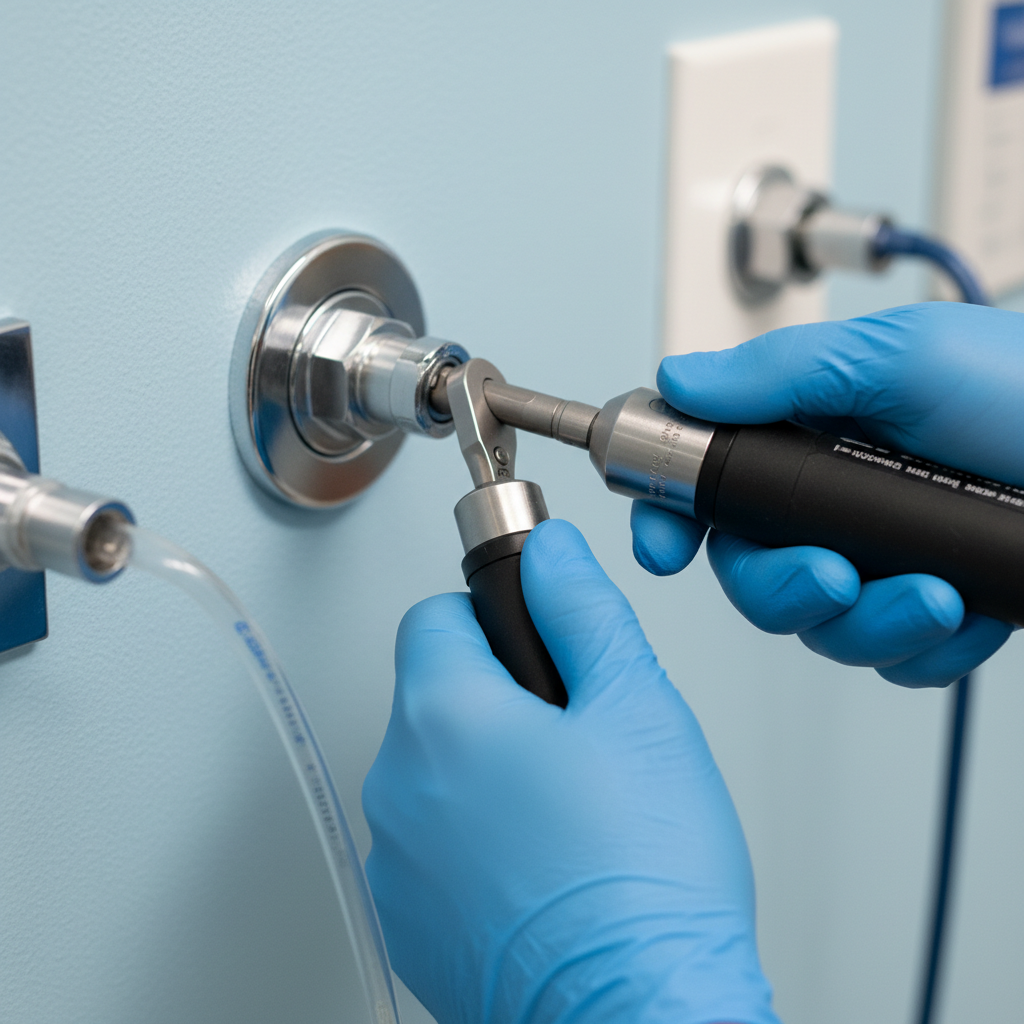
Understanding the Core Components: Outlets, Inlets, and Zone Valves
A medical gas system is more than just pipes; it's a network of precisely engineered components. The points of use and control in patient care areas are the most frequently handled and, therefore, most susceptible to wear and tear.
Medical Gas Outlets (Terminal Units)
These are the familiar wall-mounted or column-mounted interfaces where staff connect equipment like flowmeters and ventilators. Each outlet is gas-specific (e.g., Oxygen, Medical Air, Vacuum) and manufacturer-specific (Ohmeda, Chemetron, Puritan-Bennett) to prevent cross-connection, a requirement mandated by NFPA 99. They contain a primary and secondary check valve to allow for maintenance without shutting down the entire zone.
Medical Gas Inlets (Station Inlets)
Inlets serve the opposite function of outlets. They are used to introduce gases into a specific part of the system, though this is a less common requirement in general patient areas compared to outlets for gas delivery.
Zone Valve Boxes (Area Alarm Valve Assemblies)
As per NFPA 99, a zone valve box is required for each critical care and life support area. This box contains a shut-off valve for every medical gas service supplied to that zone. It allows staff to isolate a specific area during an emergency (like a fire) or for maintenance without affecting the entire facility. The integrated gauge provides an immediate pressure reading for each line.
Common Issues Requiring Outlet and Valve Repair
Even with proper use, components fail over time. Here are the most common issues we see in Davie-area hospitals, surgery centers, and dental offices:
- Leaks: The most frequent problem. Leaks can originate from worn O-rings, damaged seals in the outlet body, or a failing secondary check valve.
- Connection Problems: Difficulty connecting or disconnecting equipment often points to a damaged front latching mechanism or a bent indexing pin.
- Low Flow/Pressure: A blockage within the outlet or, more seriously, a malfunctioning check valve can impede gas flow.
- Physical Damage: Cracks in the faceplate or outlet body, often from impacts by carts or beds, require immediate replacement.
- Gauge Failures: Inaccurate or stuck pressure gauges on zone valve boxes are a serious compliance issue and must be addressed promptly.
Why this matters for compliance: NFPA 99 (2021 edition, Section 5.1.14.2.3) requires that medical gas systems be maintained in a safe and functional condition. Leaking or malfunctioning outlets are a direct violation and can result in citations during inspections or surveys by regulatory bodies like The Joint Commission.
Comparing Major Outlet Brands: Ohmeda, Chemetron, and Puritan-Bennett
While all three major brands are reliable, they have distinct designs. Understanding the differences is key for correct repair and parts sourcing. An ASSE 6040 Certified Medical Gas Maintenance Technician is trained to work on all of them.
| Feature | Ohmeda (now part of BeaconMedaes) | Chemetron (now part of Allied Healthcare) | Puritan-Bennett (now part of C&U) |
|---|---|---|---|
| Connection Style | "Diamond" shape, quick-connect latch | Round face, two-part twist and lock | Round face, push-to-connect |
| Common Failure | Worn latch O-rings, faceplate cracks | Front body seal leaks, sticking poppets | Damaged check valves, bent pins |
| Repair Kit | Manufacturer-specific seal & O-ring kits | Specific front body and poppet kits | Check valve and seal replacement kits |
| Key Feature | Very common in US hospitals | Robust, durable design | Simple, intuitive connection |
The Dangers of DIY Repair
Attempting to repair a medical gas outlet without proper training is extremely dangerous. The risks include:
- System Contamination: Introducing debris or hydrocarbons into the pipeline can harm patients.
- Improper Part Sourcing: Using a non-OEM or incorrect part can lead to leaks or catastrophic failure.
- Cross-Connection: Incorrect reassembly could compromise the gas-specific indexing.
- Violation of Codes: All maintenance on medical gas systems must be performed by a qualified individual. Per the ASSE 6000 series, this means an ASSE 6040 Certified Technician.
This is why facilities in Davie trust Medical Testing Solutions for all their repair needs. Our technicians are not only ASSE 6040 certified but also have extensive field experience with all major equipment brands.
The Professional Repair Process (ASSE 6040 Standard)
When you call MTS for a medical gas outlet repair, our certified technicians follow a strict, documented procedure:
- Notification: Inform the clinical staff in the affected area of the impending work.
- Zone Isolation: Isolate the relevant zone by closing the appropriate valve in the zone valve box. This ensures the rest of the facility remains operational.
- Verification of Shutdown: Test the outlet to confirm there is no gas pressure.
- Disassembly & Diagnosis: The technician carefully disassembles the outlet, inspects all components (O-rings, seals, check valves, springs), and identifies the failure point.
- Component Replacement: Replace worn or damaged parts using only new, OEM-approved components from a sealed package.
- Reassembly & Initial Test: Reassemble the outlet, ensuring all parts are correctly seated and torqued.
- System Recharge & Purge: Slowly reopen the zone valve, allowing the line to repressurize. Purge the outlet with a high volume of gas to remove any air that entered the line.
- Final Testing: Conduct a series of tests at the outlet, including a leak test at the faceplate and connection point, and verify proper pressure and flow.
- Documentation: Document the repair, parts used, and test results in the facility's maintenance log. This documentation is critical for compliance and future annual medical gas inspections.
Beyond Repair: Proactive Maintenance and System Verification
Reactive repairs solve immediate problems, but a proactive approach is better. An annual inspection and testing program can identify potential failures before they happen. Medical Testing Solutions offers comprehensive medical gas testing and certification services that include checking every outlet, inlet, and alarm for proper function. This preventative maintenance is the best way to ensure your facility is always safe, compliant, and ready for patient care.
Furthermore, if you are renovating, adding new rooms, or building a new facility in the Davie area, you will require full medical gas verification by an ASSE 6030 Certified Verifier. This is a series of over 20 rigorous tests to ensure a newly installed or modified system is safe for patient use. Medical Testing Solutions provides these critical services.
Your Certified Partner for Medical Gas Safety in Davie, FL
Don't wait for a critical failure to address your medical gas system needs. Whether you need an emergency medical gas outlet repair, a scheduled zone valve replacement, or a comprehensive annual inspection, Medical Testing Solutions is your trusted partner in the Davie area. Our ASSE-certified team ensures every job is done right, prioritizing safety and NFPA 99 compliance.
To ensure your facility is safe and compliant, request a quote online or call us directly at (754) 315-1078 to discuss your repair or maintenance needs.
Frequently Asked Questions
All outlets should be visually inspected daily by clinical staff and functionally tested as part of a comprehensive annual inspection by an ASSE 6040 certified technician, as recommended by NFPA 99.
An ASSE 6010 is a certified Installer. An ASSE 6030 is a certified Verifier for new installations or modifications. An ASSE 6040 is a certified Maintenance Technician who can perform repairs and ongoing maintenance. MTS has certified professionals in all these categories.
Yes. Leaking ball valves within a zone valve box can often be repaired by tightening the packing nut or replacing the valve seals. If the valve body itself is damaged, the entire valve may need to be replaced, which involves brazing and requires an ASSE 6010 certified installer.
Immediately notify your facility's maintenance department or safety officer. If the smell is strong or you hear a loud hissing, shut the door to the room, secure the area, close the appropriate valve in the zone valve box if you are trained to do so, and call for an emergency repair.
Yes, Medical Testing Solutions offers a wide range of medical gas components, including outlets, zone valves, and alarm panels from major brands. You can browse our products catalog or contact us for specific parts.
Request a quote for your facility
Talk with Medical Testing Solutions about your next inspection, repair or equipment request.