For any healthcare facility in Jupiter, Florida, from a bustling hospital to a local dental clinic, the medical gas system is a critical life-support utility. Ensuring its proper function isn't just a matter of operational efficiency; it's a fundamental requirement for patient safety and regulatory compliance. An annual medical gas inspection is the cornerstone of a safe and compliant facility. This comprehensive guide explains the entire process, outlining what facility managers in Jupiter need to know about staying compliant with standards from The Joint Commission (TJC), AHCA, and NFPA. We will cover the specific tests performed, the importance of ASSE 6000 series certification, and how to prepare your facility for its next inspection to ensure you receive a clean, audit-ready report.
Your Definitive Guide to Medical Gas Inspection in Jupiter FL
What is a Medical Gas Inspection?
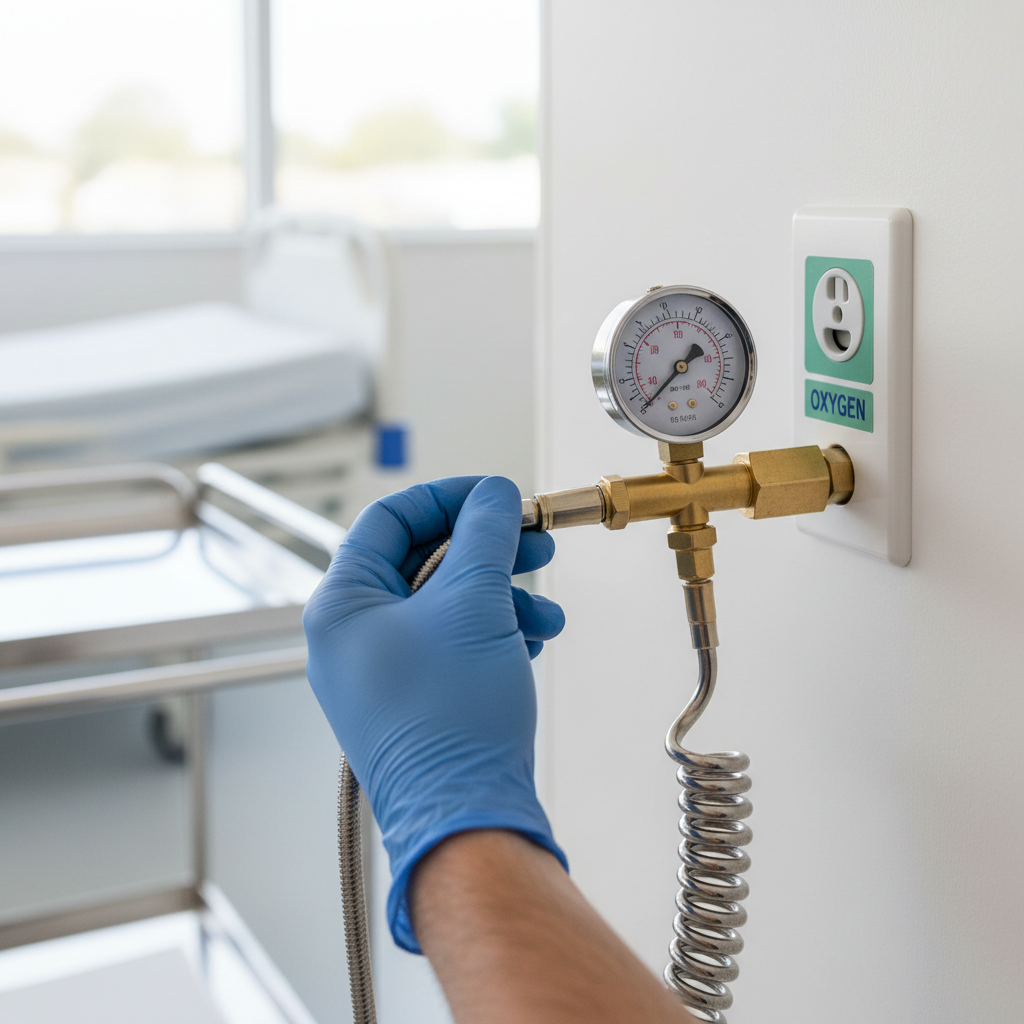
A medical gas inspection is a scheduled, systematic examination of a healthcare facility's entire piped medical gas and vacuum system. Unlike a full system verification, which is performed on new installations or modifications, an annual inspection is a routine check-up to ensure the existing system continues to operate safely and meet the original design intent. The inspection process involves a qualified technician, ideally an ASSE 6030 Medical Gas Verifier, who meticulously tests and documents the performance of each component, from the source equipment (like manifolds and air compressors) to the patient-use station outlets and alarms. The goal is to identify potential hazards, leaks, or component failures before they can impact patient care.
Why Annual Inspections Are Critical for Jupiter Healthcare Facilities
Patient safety is the primary driver for regular inspections. A malfunctioning vacuum system or a cross-connection in a gas line can have catastrophic consequences. For facilities in Jupiter and across Palm Beach County, however, the requirement for annual inspections is also mandated by several regulatory and accrediting bodies:
- The Joint Commission (TJC): TJC surveyors will rigorously scrutinize your medical gas system documentation. They require evidence of regular maintenance and inspection as part of their Environment of Care (EC) standards.
- NFPA 99 Health Care Facilities Code: The National Fire Protection Association (NFPA) is the definitive code on the matter. Specifically, NFPA 99 (2012 edition, Chapter 5.1.14.2.2) mandates that piped gas systems be inspected and tested periodically.
- Centers for Medicare & Medicaid Services (CMS): CMS adopts NFPA standards, tying them directly to your facility's funding and ability to operate. Non-compliance can jeopardize your accreditation.
- Agency for Health Care Administration (AHCA): As the chief health policy and planning entity for Florida, AHCA requires facilities to adhere to these national safety standards.
Why this matters for compliance: A documented annual inspection by a certified third-party like Medical Testing Solutions provides auditable proof that your facility is proactively managing its life-support systems. This documentation is one of the first things a TJC or AHCA surveyor will ask for during a visit.
The Medical Gas Inspection Checklist: What We Test
An ASSE-certified verifier follows a strict protocol to evaluate every aspect of your medical gas system. While the exact process may vary slightly, a comprehensive annual inspection always includes the following core checks:
Source Equipment
- Manifolds: Check for leaks, proper labeling, and correct changeover function.
- Medical Air Sources: Verify proper dew point, carbon monoxide levels, and filter maintenance.
- Vacuum Pumps: Test for operational performance, check oil levels, and ensure proper filtration.
- Alarms: Function-test all master and area alarm panels as per NFPA 99 requirements.
Distribution System
- Piping and Labeling: Visually inspect accessible piping for damage, proper support, and correct labeling.
- Zone Valves: Ensure valves are accessible, correctly labeled, and that the area alarm activates when a valve is closed.
Patient-Use Terminals
- Outlets/Inlets: Check for leaks, flow rates (for gas), and suction levels (for vacuum).
- Pressure Checks: Confirm that station outlet pressures are within the ranges specified by NFPA 99.
Understanding the Codes: NFPA 99 Testing Requirements
NFPA 99 provides specific technical criteria that must be met. A knowledgeable verifier tests against these benchmarks to certify your system's health.
| Component | NFPA 99 Requirement (Typical) | Why It's Tested |
|---|---|---|
| Oxygen Outlet | Static Pressure: 50-55 psi | Ensures proper pressure for connected equipment like ventilators. |
| Medical Air Outlet | Static Pressure: 50-55 psi | Critical for respiratory therapy and pneumatic tools. |
| WAGD Inlet | Flow: Minimum 1.0 SCFM at the terminal | Ensures waste anesthetic gas is effectively removed. |
| Medical Vacuum Inlet | Minimum 15" HgV at the most remote station | Guarantees sufficient suction for medical procedures. |
| Master Alarm Panel | Activates on pressure/vacuum deviations (+/- 20%) | Provides the primary warning of a system-wide failure. |
This table represents a small fraction of the hundreds of data points collected during a full inspection. At Medical Testing Solutions, our team provides a detailed, Joint Commission-ready report that documents every test and finding.
ASSE 6000 Certification: The Gold Standard for Verifiers
Who performs your inspection is just as important as the inspection itself. The American Society of Sanitary Engineering (ASSE) 6000 series provides professional qualifications for installers, inspectors, and verifiers of medical gas systems. When hiring a company for your annual medical gas inspections, you must insist on personnel certified to at least ASSE 6030 (Medical Gas Verifier) or ASSE 6040 (Medical Gas Maintenance Personnel). This certification ensures the technician has passed a rigorous exam on NFPA 99, understands the clinical applications of the gases, and can accurately interpret test results. Without an ASSE-certified technician, you risk an incomplete or inaccurate inspection, which could be rejected by surveyors.
Common Issues Found During Jupiter Medical Gas Inspections
Our experience inspecting facilities in South Florida has revealed several common, yet preventable, issues:
- Minor Leaks: Small leaks at outlets or zone valves are frequent and can lead to significant gas waste over time.
- Incorrect Labeling: Mislabeled pipes or alarm panels can cause confusion and dangerous errors during an emergency.
- Pressure/Vacuum Deficiencies: Often caused by failing regulators or restrictions in the line, these can directly impact patient care.
- Alarm Malfunctions: A faulty alarm sensor or board can leave your staff blind to a developing system failure.
Identifying these issues is only half the battle. A robust medical gas maintenance program is essential to correct these deficiencies promptly.
Get a Joint Commission-Ready Inspection in Jupiter, FL
Your medical gas system is too important to leave to chance. As an ASSE-certified company headquartered right here in South Florida, Medical Testing Solutions provides comprehensive, turnkey inspection services that give you peace of mind. Our detailed reports are designed to meet and exceed the requirements of The Joint Commission, AHCA, and other regulatory bodies.
Don't wait for a surveyor to find a problem. Be proactive and ensure the safety of your patients and the compliance of your facility. Contact our team today for a no-obligation quote for your Jupiter facility.
Ready to schedule your inspection? Request a quote online or call us directly at +1 (754) 315-1078 to speak with a specialist.
Frequently Asked Questions
Request a quote for your facility
Talk with Medical Testing Solutions about your next inspection, repair or equipment request.