For any healthcare facility in Bonita Springs, from surgical centers to hospitals, the safe and reliable delivery of medical gases is non-negotiable. These systems are life-sustaining, making their proper maintenance a critical issue of patient safety. An annual medical gas inspection is the cornerstone of this maintenance, ensuring your facility operates in full compliance with national standards and is prepared for scrutiny from accrediting bodies like The Joint Commission. This comprehensive guide explains the entire inspection process, the standards that govern it, and how to ensure your facility is always prepared. You will learn what an ASSE-certified inspector looks for, what the most common findings are, and the steps you can take to maintain a perpetual state of compliance, safeguarding both your patients and your accreditation.
Medical Gas Inspection in Bonita Springs, FL: Your Guide to Joint Commission Compliance
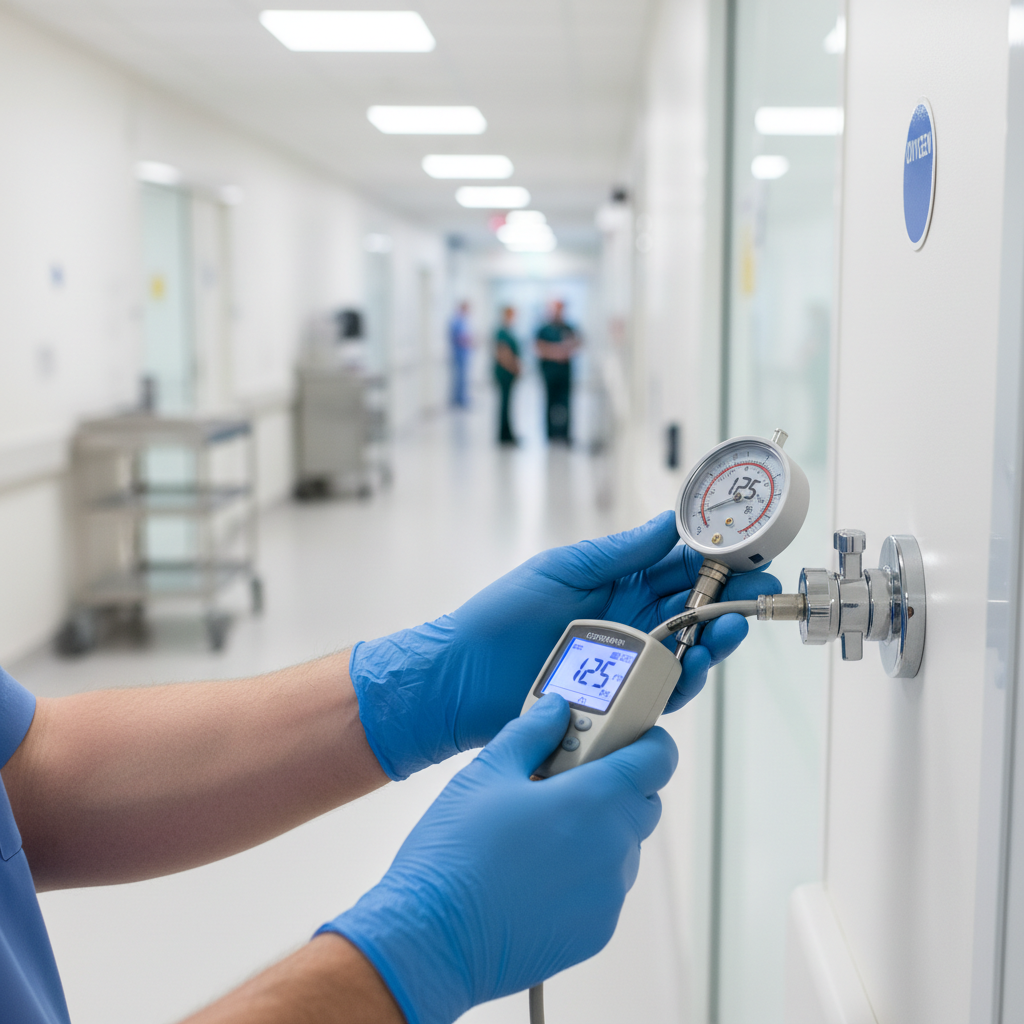
What is a Medical Gas Inspection? More Than Just a Check-Up
It's a common misconception to view the annual inspection as a simple formality. In reality, it is a comprehensive, systematic review of your entire medical gas and vacuum system infrastructure. This is distinct from the initial verification performed on new installations or modifications. While an ASSE 6010 installer ensures the system is built correctly and an ASSE 6030 verifier confirms it meets standards before being put into service, the annual medical gas inspection confirms its ongoing operational integrity.
The goal is to verify that the system has not degraded over time and continues to perform as designed. The inspection covers every component, from the bulk oxygen supply and vacuum pumps at the source to the outlets at the patient's bedside. It is a proactive measure designed to identify potential hazards, prevent system failures, and ensure that the gas being delivered is the correct gas at the correct pressure.
The Core Standards: NFPA 99 & ASSE 6000 Series Explained
The entire framework for medical gas safety is built upon a foundation of codes and standards developed by industry experts. For healthcare facilities, the most important of these is NFPA 99, the Health Care Facilities Code.
- NFPA 99: This code is the law in most jurisdictions. It establishes the minimum criteria for the installation, performance, and inspection of gas, vacuum, and WAGD systems. Chapter 5, "Gas and Vacuum Systems," is particularly relevant, detailing requirements for everything from system components and labeling to testing and operational management. The annual inspection protocol is derived directly from these requirements.
- ASSE 6000 Series: The American Society of Sanitary Engineering (ASSE) 6000 series provides the professional qualifications for everyone who works on medical gas systems. It ensures that the individuals installing, verifying, maintaining, and inspecting these critical systems are competent to do so.
The Role of the ASSE 6030 Certified Verifier
According to NFPA 99, inspections of medical gas systems must be conducted by a party that is technically competent and experienced in the field. This is where the ASSE 6030 Certified Medical Gas Verifier comes in. A verifier has undergone extensive training and passed a rigorous examination to prove their expertise. They are qualified to perform the full range of tests required for both initial verification and subsequent inspections. When you hire a firm like Medical Testing Solutions, you are engaging ASSE 6030 certified professionals who have the documented expertise to evaluate your system against all applicable standards and provide the reporting that accrediting bodies require.
The Annual Inspection Process: A Step-by-Step Walkthrough
An ASSE 6030 verifier follows a meticulous, repeatable process to ensure every aspect of your medical gas system is evaluated. While a full medical gas verification is more in-depth, the annual inspection checks for the ongoing safety and functionality of the existing system.
- Documentation Review: The inspection begins by reviewing your facility's records, including previous inspection reports, maintenance logs, and current system drawings.
- Source Equipment Evaluation: The verifier thoroughly inspects all central supply systems. This includes compressors, vacuum pumps, manifolds, and bulk storage tanks. They check for leaks, proper pressure settings, functionality of automatic changeovers, and required maintenance.
- Alarm System Testing: This is one of the most critical parts of the inspection. The verifier will simulate failure conditions (e.g., high/low pressure, changeover) to test every master alarm, area alarm, and local alarm panel in the facility. This ensures that your staff will be properly notified in the event of a real emergency.
- Pipeline Integrity and Labeling: The inspector visually traces the piping distribution system, checking for proper labeling (gas type and direction of flow), physical damage, and secure supports. Incorrect or missing labels are a common and dangerous finding.
- Terminal and Inlet/Outlet Checks: At patient care locations, the verifier will check a percentage of outlets and inlets for proper gas specificity, pressure, and flow. They use specialized adapters to ensure that, for example, only an oxygen flowmeter can be plugged into an oxygen outlet.
Preparing Your Bonita Springs Facility for Inspection
Being prepared for your annual inspection can make the process smoother, faster, and less disruptive. A proactive approach reduces the likelihood of negative findings.
- Gather Your Paperwork: Before the inspector arrives, collect all relevant documentation, including your NFPA 99 risk assessment, maintenance logs for source equipment, and as-built drawings of your system.
- Perform Routine Maintenance: Don't wait for the inspection to find problems you already know about. Ensure your own maintenance staff has addressed any known leaks, malfunctioning gauges, or other minor issues.
- Ensure Clear Access: The verifier will need unobstructed access to source equipment rooms, all alarm panels, and valve boxes. Clear any storage or clutter that may be blocking these areas.
Many facilities in South Florida partner with Medical Testing Solutions for ongoing medical gas maintenance services to ensure they remain in a constant state of readiness.
Why this matters for compliance: The Joint Commission (TJC) and the Centers for Medicare & Medicaid Services (CMS) place heavy emphasis on a safe environment of care. A failed medical gas inspection can lead to citations, costly remediation, potential loss of accreditation, and immediate patient safety risks. Proper, detailed documentation from an ASSE-certified firm is your objective evidence of compliance.
Common Issues Found During Medical Gas Inspections
A certified verifier has seen it all. While every facility is unique, certain common deficiencies appear frequently. Being aware of these can help your team spot and correct them before they become an official finding.
| Deficiency | Potential Risk | NFPA 99 Reference (Example) |
|---|---|---|
| Inaccurate Pressure Gauges | Incorrect gas delivery pressure to patient equipment | 5.1.14.2.2.5 |
| Faulty or Inactive Alarms | Clinical staff are not warned of a system failure | 5.1.9 |
| Leaking Outlets/Inlets | Gas waste; potential fire hazard with oxygen | 5.1.12 |
| Incorrect or Missing Labels | Risk of cross-connection; confusion during emergency | 5.1.11 |
| Obstructed Equipment/Valves | Overheating of equipment; delays in emergency shut-off | 5.1.3.1.5 |
| Deficient Emergency Oxygen Supply | Loss of oxygen supply during a primary failure | 5.1.3.3.3 |
Why Choose a Local, ASSE-Certified Partner in Bonita Springs?
When it comes to something as critical as your medical gas systems, you need a partner you can trust. Choosing a local, certified provider offers distinct advantages. A firm based in South Florida, like Medical Testing Solutions, understands the specific needs and challenges of the region, from hurricane preparedness to local authority requirements. Our Fort Lauderdale headquarters allows for rapid deployment to Bonita Springs and the surrounding areas.
Most importantly, our technicians are all ASSE 6030 and 6010 certified, ensuring the highest level of expertise. We provide comprehensive, Joint Commission-ready reports that stand up to surveyor scrutiny. An expert partner does more than just find problems; they provide solutions, whether it's through system maintenance, component repair, or guidance on a new medical gas installation.
Frequently Asked Questions
Request a quote for your facility
Talk with Medical Testing Solutions about your next inspection, repair or equipment request.