For any healthcare facility in Aventura, from surgical centers to hospitals, the medical gas system is a life-sustaining utility. Ensuring its integrity, purity, and proper function isn't just a best practice, it's a strict regulatory requirement. An annual medical gas inspection is the cornerstone of a safe and compliant facility, safeguarding patients and satisfying accrediting organizations like The Joint Commission (TJC) and the Agency for Health Care Administration (AHCA). This definitive guide explains the critical requirements for medical gas inspections under NFPA 99, outlines the comprehensive inspection process, and details what to look for in a certified testing partner. You will learn precisely what an inspection entails, why it's non-negotiable for compliance, and how to ensure your facility receives Joint Commission-ready reporting every year.
Medical Gas Inspection Aventura FL: Your Guide to Annual Compliance
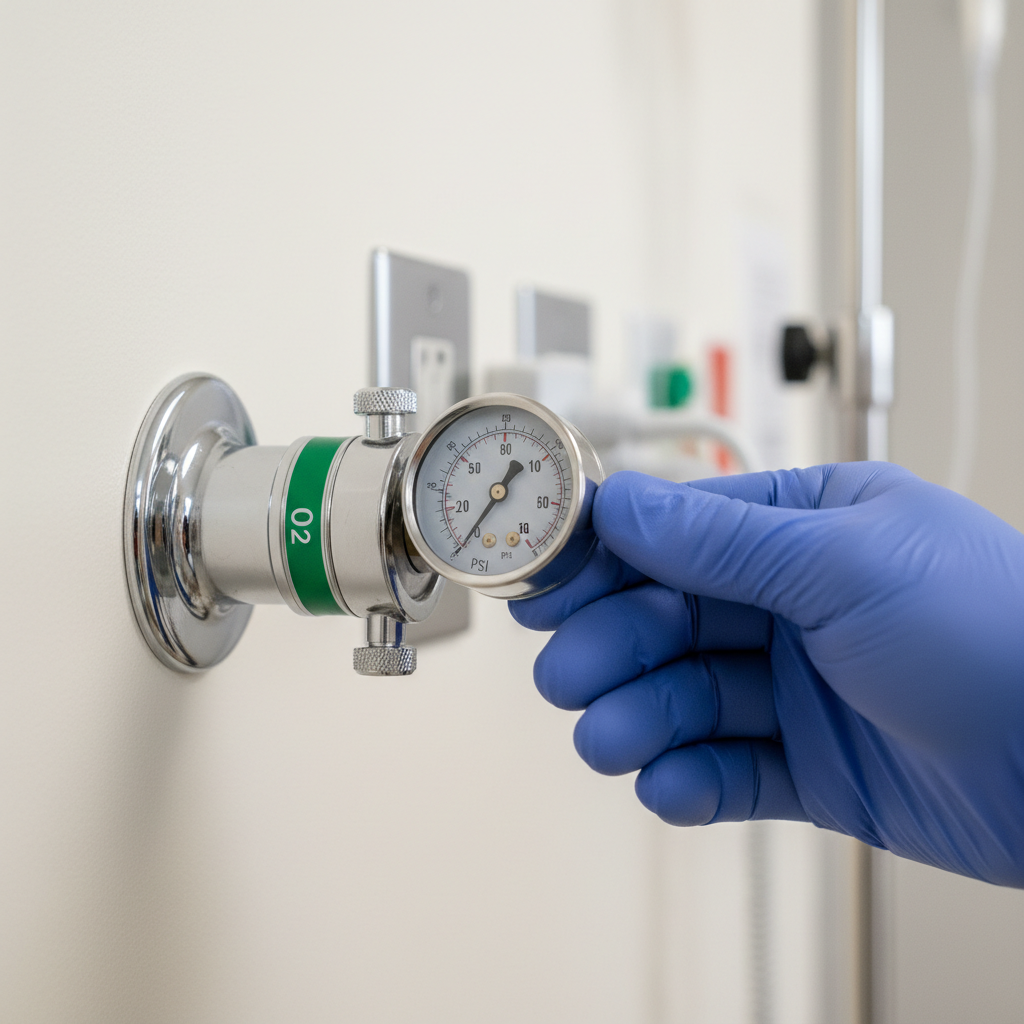
What is a Medical Gas System Inspection?
A medical gas system is the complex network of pipes, outlets, and source equipment that delivers vital gases like oxygen, medical air, and nitrous oxide, and removes waste anesthetic gases (WAG) and provides suction through medical vacuum systems. A medical gas inspection is a thorough, systematic evaluation of this entire system to verify its performance, safety, and compliance with established standards. The primary goal is to prevent patient harm that could result from cross-connection, contamination, or system failure.
These inspections are governed by a set of codes and standards, principally the NFPA 99, Health Care Facilities Code. This code provides the minimum criteria for the installation, performance, and maintenance of medical gas and vacuum systems. A proper inspection by an ASSE 6030-certified verifier ensures every component, from the bulk oxygen tank to the patient room outlet, functions as designed.
NFPA 99 Requirements for Annual Medical Gas Inspections
NFPA 99 is the authoritative standard for healthcare safety, and its requirements for medical gas systems are detailed and specific. Annual inspections are mandated to ensure the continued safety and functionality of systems after the initial verification.
Key Components to be Inspected
An inspector will visually and physically check all accessible system components, including:
- Source Equipment: Bulk tanks, manifolds, air compressors, and vacuum pumps.
- Alarms: Master alarms, area alarms, and local alarms are tested to ensure they activate under the correct conditions.
- Valve Boxes: Zone and main valve boxes are checked for accessibility, correct labeling, and proper operation.
- Outlets and Inlets: Station outlets in patient care areas are tested for gas specificity, flow, pressure, and physical condition.
Required Testing Parameters
Beyond a visual check, a certified verifier performs quantitative testing to confirm system performance. This includes:
- System Pressure: Ensuring pressures for all gas systems are within the precise ranges defined in NFPA 99.
- System Purity: Verifying that the gas being delivered is the correct gas and is free from contaminants.
- Flow Rates: Confirming that outlets can deliver the required volume of gas.
- Vacuum Suction: Testing that vacuum inlets provide adequate suction for medical procedures.
Why this matters for compliance: The Joint Commission and other Accrediting Organizations (AOs) base their survey criteria directly on NFPA 99 standards. Failure to produce accurate, complete, and timely inspection reports can lead to findings during a survey, potentially jeopardizing accreditation and reimbursement.
The Annual Inspection Process: A Step-by-Step Overview
While every facility is unique, a properly executed annual medical gas inspection follows a structured methodology to ensure nothing is missed. At Medical Testing Solutions, our ASSE-certified team follows a rigorous process:
- Scheduling and Coordination: We work with your facilities team to schedule the inspection at a time that minimizes disruption to patient care.
- Visual Inspection: A thorough walkthrough of the facility to inspect the physical condition and labeling of all accessible components.
- System Performance Testing: We connect specialized testing equipment to outlets and system test points to measure pressure, flow, purity, and other critical parameters.
- Alarm System Verification: Each master and area alarm is systematically tested by simulating fault conditions to ensure it activates correctly and reports to the proper location.
- Source Equipment Evaluation: Compressors and vacuum pumps are checked for correct operation, cycle times, and an absence of leaks or unusual vibrations.
- Comprehensive Reporting: All findings, measurements, and deficiencies are compiled into a detailed, Joint Commission-ready report. This document provides clear evidence of your facility's compliance and outlines any corrective actions needed.
Who Can Perform a Medical Gas Inspection? The ASSE 6000 Standard
NFPA 99 is clear: periodic inspections of medical gas systems must be performed by a party that is "technically competent and experienced in the field of medical gas and vacuum pipeline testing." The industry standard for demonstrating this competency is ASSE 6000 Series certification.
- ASSE 6030 Medical Gas Verifier: This is the required certification for individuals performing full system verifications (e.g., after new construction) and specialized testing. They possess the expertise to test for purity, cross-connections, and other critical parameters.
- ASSE 6040 Medical Gas Maintenance Personnel: This certification is for individuals who perform routine maintenance, repairs, and inspections. While they are qualified for many tasks, a full annual inspection often requires the broader expertise of an ASSE 6030 Verifier to ensure unbiased, in-depth testing.
Medical Testing Solutions employs professionals with these ASSE credentials, ensuring that your Aventura facility receives the highest level of service and a report that will stand up to regulatory scrutiny. Explore our Medical Gas Certification services to learn more about how we maintain this standard of excellence.
Comparing Medical Gas System Components & Inspection Points
Understanding the focus points of an inspection can help facility managers prepare. Here is a breakdown of key components and what inspectors look for based on NFPA 99.
| Component | Key Inspection Point (NFPA 99) | Common Failure Mode |
|---|---|---|
| Source Equipment (Manifolds, Compressors) | Proper function, pressure settings, leak checks | Pressure switch failure, oil carryover, contamination |
| Main & Zone Valve Boxes | Accessibility, correct labeling, 24/7 access | Seized valve, incorrect room/zone labeling, obstruction |
| Alarms (Master, Area) | Correct alarm condition activation, signal integrity | Sensor drift, failed indicator lights, audible alarm silenced |
| Outlets/Inlets | Flow, pressure, gas specificity (DISS/Chemetron indexing) | Worn latches, internal leaks, incorrect gas indexing |
| Medical Vacuum Systems | Suction level at inlets, pump performance | Low suction, clogged filters, liquid contamination |
Benefits of Proactive Medical Gas Inspections in Aventura
Investing in a proactive, annual inspection program delivers benefits far beyond simply checking a compliance box.
- Ensuring Patient Safety: This is the paramount benefit. A properly functioning system prevents catastrophic events like gas cross-connections or system failures during a procedure.
- Maintaining Joint Commission & AHCA Compliance: Regular inspections provide the necessary documentation to pass surveys without issue.
- Reducing Facility Risk and Liability: Proactive identification and correction of system deficiencies reduce the risk of accidents and associated liability.
- Preventing Costly Emergency Repairs: An annual inspection can identify small issues, like minor leaks or wearing components, before they escalate into major system failures that require emergency shutdowns and expensive repairs.
Choosing Your Medical Gas Inspection Partner in Aventura, FL
When selecting a vendor for your medical gas services, you need a partner, not just a provider. Look for a company that demonstrates:
- ASSE 6030/6040 Certified Technicians: The company must employ verifiers with current, valid credentials.
- Comprehensive, Joint Commission-Ready Reporting: Ask for a sample report to see if it is detailed, clear, and suitable for surveyors.
- Experience in South Florida: A local partner understands the specific needs and challenges of hospitals and surgical centers in the Aventura area.
- Full-Service Capabilities: A partner like Medical Testing Solutions can not only perform the inspection but also offer Medical Gas Verification, maintenance, and provide high-quality medical gas equipment, offering a single point of contact for all your system needs.
Your Partner for Compliance in Aventura
Ensuring your medical gas and vacuum systems are compliant and safe is a critical responsibility. The annual inspection is a mandatory process that protects your patients, your staff, and your facility's accreditation. Don't leave it to chance. Partner with the ASSE-certified experts at Medical Testing Solutions for thorough, reliable inspections that deliver peace of mind and Joint Commission-ready reports.
Ready to ensure your facility is compliant? Contact us today at +1 (754) 315-1078 to speak with a specialist or request a quote online for a medical gas inspection in Aventura, FL. '''
Frequently Asked Questions
Request a quote for your facility
Talk with Medical Testing Solutions about your next inspection, repair or equipment request.