Skip to content
    New: Medical Gas Outlet Retrofit & Rebuild Matrix — cross-reference legacy Chemetron, Ohio Diamond, Puritan-Bennett & more →
    ASSE Certified 24/7
    Medical Gas Products
    Medical Gas Service
    Compliance & Standards

    Medical Gas Equipment Overview: Outlets, Alarms & Source Systems

    Medical Testing SolutionsAugust 27, 20266 min read
    Share
    Medical Gas Equipment Overview: Outlets, Alarms & Source Systems

    Understanding Your Medical Gas System: A Component-by-Component Overview

    A compliant medical gas system is the lifeblood of a healthcare facility. It's a complex network of components working in unison to deliver critical gases like oxygen, medical air, and nitrous oxide safely from a central supply source to the patient's bedside. Understanding these components isn't just for facility managers or technicians; it's crucial for ensuring patient safety and maintaining regulatory compliance with standards like NFPA 99.

    This guide provides a comprehensive overview of the primary medical gas equipment found in hospitals, surgery centers, and dental offices. We'll explore each major category, from the source equipment that generates and stores the gases to the terminal outlets where they are administered. You will learn what each component does, how it contributes to the overall system, and the key compliance standards that apply.

    Source Equipment: The Heart of the System

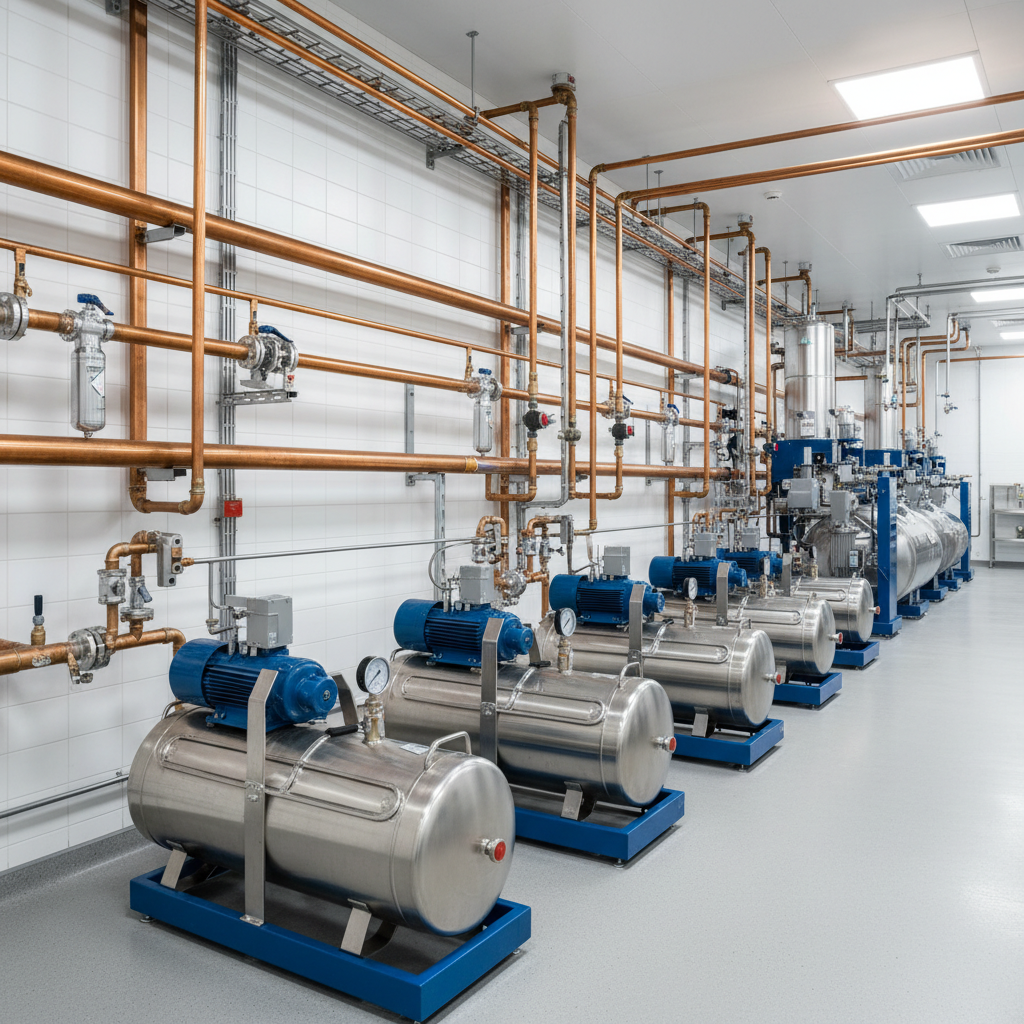
    Source equipment is where medical gases originate. These centralized systems are typically located in a secure, dedicated mechanical space and are the starting point for the entire distribution network. The three primary source systems are medical air compressors, vacuum pumps, and manifold systems.

    Medical Air Compressors

    Medical air is a manufactured gas, not just ambient air, that is compressed and purified to meet stringent standards (USP). It's used for patient respiration and to power surgical tools. The compressor system creates this vital utility.

    • Components: Typically includes two or more compressors (to ensure redundancy), a receiver tank to store compressed air, dryers to remove moisture, and a series of filters and regulators to ensure the final product is clean, dry, and delivered at the correct pressure (typically 50-55 psi).
    • Technology: Common types include scroll, reciprocating, and rotary screw compressors. Scroll compressors are increasingly popular due to their quiet operation and high reliability.
    • Compliance: NFPA 99 (Chapter 5) dictates requirements for compressor capacity, filtration, dew point, and carbon monoxide monitoring.

    Why This Matters for Compliance: A malfunctioning compressor can introduce contaminants, moisture, or incorrect pressure into the medical air lines, posing a direct risk to patients. Regular maintenance and testing, including air quality tests, are mandated by NFPA 99 and are a core service provided by certified technicians.

    Medical Vacuum Systems

    Medical vacuum is used to remove fluids and other materials from a patient's airway or surgical sites. Like compressed air, it is generated on-site by a dedicated pump system.

    • Components: A typical system (or "plant") consists of multiple vacuum pumps for redundancy, a receiver tank, and control systems. The system is designed to maintain a constant, uninterrupted level of suction.
    • Technology: Popular technologies include liquid ring, rotary vane, and claw pumps. The choice depends on the facility's size and specific needs.
    • Compliance: NFPA 99 outlines requirements for pump sizing, piping, and the location of exhaust lines, which must be vented outside and away from any air intakes.

    Manifold Systems

    Manifolds are used to manage the supply of gases delivered in cylinders, such as oxygen, nitrous oxide, and nitrogen. They provide a seamless switchover from a primary cylinder bank to a secondary bank when the first is depleted, ensuring an uninterrupted supply.

    • Function: A primary header and a secondary header, each with multiple cylinders, are connected to a control panel. When the pressure in the primary bank drops to a set level, the system automatically switches to the secondary bank and triggers an alarm to notify staff that the primary cylinders need replacement.
    • Types: Manifolds can be fully automatic, semi-automatic, or manual, though automatic systems are the standard for life-support gases.

    Distribution & Control: Alarms and Zone Valve Boxes

    Once gases leave the source equipment, they are distributed throughout the facility via a network of copper piping. Along this network are critical control and monitoring devices.

    Master and Area Alarms

    Alarm panels are the nervous system of the medical gas network. They provide audible and visual warnings of system malfunctions, as required by NFPA 99.

    • Master Alarms: Located in a continuously monitored area (like the engineering office or security desk), master alarms monitor the main supply source. They will indicate issues like a manifold switchover, low reserve supply, or high/low line pressure from the source equipment.
    • Area Alarms: These are local alarms that monitor conditions within a specific zone or area of the facility, such as an operating room, an entire ICU, or a patient floor. They alert local staff to high/low pressure conditions within their immediate area, allowing for a rapid response. For expert assistance with alarm systems, consider our medical gas installation services.

    Zone Valve Boxes

    These are strategically placed shut-off valves housed in a wall-mounted box with a clear window. A zone valve box allows staff to shut down the gas supply to a specific area (a "zone") in case of an emergency, like a fire, or for maintenance without affecting the entire facility. Each valve is clearly labeled with the gas it controls. Accurate installation and verification of these valves are critical safety components covered under ASSE 6010 and ASSE 6030 standards.

    Terminal Equipment: Outlets and Inlets

    Terminal units are the final points of delivery where medical staff connect equipment to the gas system.

    Medical Gas Outlets

    These are the color-coded, gas-specific connection points in patient rooms, operating suites, and other treatment areas. Each outlet has a unique indexing system (like DISS, Ohmeda, or Chemetron) to prevent accidentally connecting the wrong gas. For example, you cannot physically connect an oxygen flowmeter to a medical air outlet.

    • Color Coding (USA):
      • Oxygen: Green
      • Medical Air: Yellow
      • Nitrous Oxide: Blue
      • Vacuum: White
      • WAGD: Purple

    Vacuum Inlets

    Functionally similar to outlets, these are the connection points for suction. They are also indexed to prevent incorrect connections. Proper functionality and flow rates are confirmed during annual medical gas inspections.

    Equipment Comparison: Source Technologies

    Choosing the right source equipment depends on facility size, patient acuity, and budget. Here’s a general comparison:

    Equipment TypeTechnologyProsConsBest For
    Med Air CompressorScrollQuiet, Efficient, Low MaintenanceHigher initial costHospitals, Surgery Centers
    ReciprocatingLower initial costNoisier, more vibrationSmaller facilities, Dental
    Medical VacuumLiquid RingVery reliable, durableHigh water consumptionLarge hospitals with high demand
    Rotary Vane (Dry)Low maintenance, no waterCan be less durable than liquid ringSmall to medium facilities
    ClawHighly efficient, oil-freeHigher initial costFacilities focused on efficiency

    The Role of a Certified Partner

    Maintaining a compliant medical gas system requires specialized expertise. From the initial medical gas verification of a new installation to ongoing maintenance and annual testing, working with an ASSE 6000-certified company is essential. Medical Testing Solutions provides a full suite of services, including equipment sales, installation support, and comprehensive testing and repair. Our certified technicians ensure every component, from the compressor to the outlet, functions correctly and meets all NFPA 99 and ASSE requirements.

    As a leading provider of medical gas equipment and services, Medical Testing Solutions helps facilities in Florida and beyond maintain safe, compliant, and reliable systems. We offer equipment from leading brands and provide the ASSE-certified expertise to test, verify, and maintain it for the life of your facility.

    Frequently Asked Questions

    An outlet delivers a pressurized gas (like oxygen or medical air) to the patient, while an inlet is a connection point for suction or vacuum to remove fluids.

    To prevent catastrophic errors. The gas-specific color coding and unique physical shape (indexing) of each outlet and its corresponding connector make it physically impossible to connect a device to the wrong gas line (e.g., connecting a medical air hose to an oxygen outlet).

    This alarm indicates that the primary bank of gas cylinders in your manifold system is empty, and the system has automatically switched to the secondary (reserve) bank. It is an essential notification for staff to replace the empty cylinders to ensure an uninterrupted gas supply.

    The frequency of testing depends on the component. A full system verification (ASSE 6030) is required for new installations or modifications. Additionally, NFPA 99 requires periodic inspections, with many components like alarms and outlets requiring annual testing. Medical Testing Solutions can help create a compliant testing schedule.

    Only technicians with current ASSE 6000 series credentials (e.g., ASSE 6010 for installers, ASSE 6030 for verifiers, ASSE 6040 for maintenance personnel) are qualified to install, verify, or maintain medical gas systems. This ensures they have the necessary expertise to work on these life-support systems safely.

    A zone valve box contains shut-off valves that allow staff to stop the flow of medical gases to a specific, limited area ("zone") of a healthcare facility. This is critical during emergencies, such as a fire, or for performing maintenance in one area without disrupting gas service to the rest of the building.

    This article is provided for educational purposes and reflects industry standards as of publication. Always verify against current NFPA 99, CGA, and AHJ requirements. Medical Testing Solutions is ASSE-certified and ready to help — contact us for facility-specific guidance.

    Request a quote for your facility

    Talk with Medical Testing Solutions about your next inspection, repair or equipment request.

    Get a quote in 1 business day

    I agree to receive text messages from Medical Testing Solutions, L.L.C. at the phone number provided, including informational and marketing messages. Consent is not a condition of purchase. Message frequency varies. Message & data rates may apply. Reply STOP to opt out or HELP for help. See our Privacy Policy and Messaging Terms.

    Prefer to talk? Call (754) 315-1078

    Related articles