Line Isolation Monitor Testing Requirements: A Complete Guide
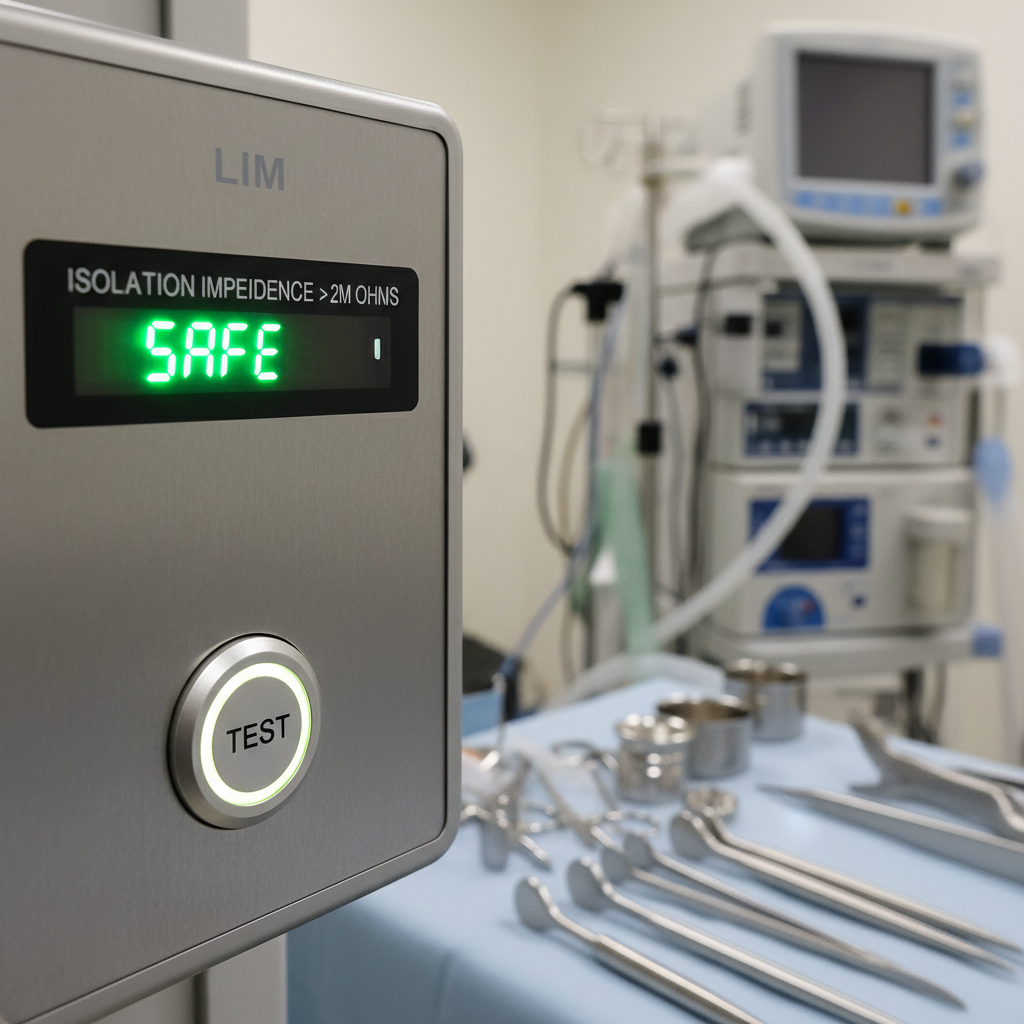
In any healthcare facility, patient safety is paramount. While medical gas systems and surgical procedures often take center stage, the underlying electrical infrastructure is a silent guardian. Within this system, the Line Isolation Monitor (LIM) plays a critical, life-saving role, especially in "wet procedure locations" like operating rooms. But having a LIM isn't enough; it must be functioning perfectly. This guide provides a definitive overview of line isolation monitor testing requirements as outlined by the National Fire Protection Association (NFPA), ensuring your facility is safe, compliant, and prepared.
You will learn the essential aspects of NFPA 99 Chapter 6, including the required testing intervals, specific alarm thresholds, and the documentation necessary to pass any inspection. We will explore who is qualified to perform these crucial tests and what the results mean for your facility's operational integrity.
What is a Line Isolation Monitor (LIM)?
A Line Isolation Monitor is a safety device that continuously monitors the integrity of an Isolated Power System. These specialized electrical systems are required in any "wet procedure location" as defined by NFPA 99, 6.3.2.6. In these areas—such as operating rooms, cardiac catheterization labs, and dialysis suites—the presence of liquids increases the risk of electrical shock for both patients and medical staff.
An isolated power system, unlike a conventional grounded system, does not have a direct connection between its power-carrying conductors and the ground. The LIM's job is to measure the potential for current to flow from these isolated conductors to the ground. If it detects a condition where a person could receive a dangerous electrical shock, it triggers an alarm, alerting staff to the fault before a dangerous situation can occur.
Why is LIM Testing Crucial for Patient & Staff Safety?
The primary purpose of a LIM and its associated isolated power system is to prevent microshock and macroshock.
- Microshock: A very small, often imperceptible electrical current that can be lethal if applied directly to the heart, a risk for patients with external pacemakers or intracardiac catheters.
- Macroshock: A larger current that passes through the body via skin contact, capable of causing burns, muscle contractions, and cardiac arrest.
Regular, compliant LIM testing ensures this first line of defense is always working. A malfunctioning LIM can fail to alarm in a hazardous situation, creating a false sense of security and putting vulnerable patients at extreme risk. For healthcare facilities, proper line isolation monitor testing is not just a regulatory hurdle; it's a fundamental patient safety practice.
NFPA 99 Line Isolation Monitor Testing Requirements
NFPA 99, the Health Care Facilities Code, is the primary standard governing these requirements. Specifically, Chapter 6: Electrical Systems, lays out the rules for installation, operation, and maintenance of isolated power systems. Failure to comply can result in citations, operational shutdowns, and increased liability.
Who Can Perform LIM Testing?
Not just anyone can perform and certify LIM tests. NFPA 99 requires that testing be conducted by qualified personnel. This is generally interpreted to mean individuals holding an ASSE 6040 Medical Gas Systems Maintainer certification. These technicians have undergone rigorous training and examination on the specific procedures and safety protocols required for working with these critical systems. When you partner with a provider like Medical Testing Solutions, you can be confident that our technicians are ASSE 6040 certified and deeply experienced in NFPA code.
Testing Intervals: When is it Required?
LIM testing isn't a one-time event. NFPA 99 mandates a schedule of testing to ensure continuous safety. The key events are after installation and at regular intervals thereafter.
- After Installation: A LIM must be tested upon initial installation to ensure it is functioning correctly before the area is put into service. This is part of the broader medical gas verification process, typically performed by an ASSE 6030 certified verifier.
- After Alteration or Repair: Any time the isolated power system is modified or repaired, the LIM must be re-tested to confirm its integrity.
- Periodic Testing: The code requires regular operational testing to ensure the monitor has not failed over time.
Why this matters for compliance: Regulatory bodies like The Joint Commission (TJC) and DNV GL reference NFPA 99 as a baseline for safety. During an inspection, they will demand to see records proving that LIMs were tested at the correct intervals and that all documentation is in order. Inadequate records are one of the most common—and easily avoidable—citations.
The LIM Testing Procedure: A Step-by-Step Overview
An ASSE 6040 certified technician will follow a precise procedure to test a Line Isolation Monitor. While specifics may vary slightly by manufacturer (e.g., Bender, Post-Glover, Square D), the core functional test is standardized.
- Visual Inspection: The technician will inspect the LIM for any visible damage, loose connections, or signs of overheating.
- Self-Test Verification: Most LIMs have a "test" or "push-to-test" button. Pressing this button initiates an internal self-test. The technician verifies that this function correctly triggers the audible and visual alarms.
- Meter Hazard Current Test: The technician will use specialized test equipment to simulate a fault condition. This confirms that the LIM alarms when the total hazard current (the potential current that could flow to ground) reaches the alarm threshold set by NFPA 99.
- Alarm Verification: The test confirms that both the amber/yellow visual alarm lamp and the audible alarm activate at the correct setpoint. The audible alarm must be silenced for the test, but the visual indicator must remain active until the fault is cleared.
- Documentation: Every step is meticulously documented. The technician records the date, location, LIM identification, test results (pass/fail), and their own certification details.
Understanding LIM Alarm Thresholds & Documentation
The critical alarm value for LIMs is mandated by NFPA 99. A LIM must alarm when the total hazard current reaches a threshold of 5.0 mA (milliamperes). This value represents the maximum current that could flow through a person in a fault condition without causing injury.
A proper test will validate that the monitor triggers an alarm at or before this 5.0 mA limit.
Documentation and Record-Keeping
Accurate and accessible records are as important as the test itself. For each isolated power system, your facility must maintain a written record that includes:
- Date of the test
- Room or area designation
- The LIM make and model
- The measured trip points for the alarm
- A pass/fail determination
- The name and signature of the ASSE 6040 certified technician who performed the work
| NFPA 99 Testing & Inspection Summary | Test Type | Minimum Frequency | Required Personnel |
|---|---|---|---|
| New Systems | Verification & Acceptance | After installation or modification | ASSE 6030 Verifier / ASSE 6010 Installer |
| Existing Systems | Operational Test | At least monthly, or per manufacturer | Trained Facility Staff (e.g., Nurse, Biomed) |
| Existing Systems | Maintenance & Functional Test | At least every 12 months | ASSE 6040 Maintainer |
This table illustrates how different testing events require different levels of certification and frequency, all part of a robust medical gas maintenance services program.
Choosing a Partner for LIM Testing and Compliance
Navigating the complexities of NFPA 99 requires specialized expertise. While facility staff can perform the monthly push-to-test checks, the critical annual functional testing must be done by a certified professional. Choosing the right partner is key to ensuring compliance and safety.
Look for a company whose technicians are not only ASSE 6040 certified but also have extensive field experience across different hospital environments. A qualified partner acts as a consultant, helping you understand test results, identify potential issues before they become critical, and maintain impeccable records. From initial medical gas installation to ongoing testing and certification, your compliance partner is an integral part of your safety team.
Your Trusted Partner for Electrical Safety
Line isolation monitor testing is a non-negotiable requirement for modern healthcare facilities. It is a critical procedure that protects patients and staff from the invisible danger of electrical faults in wet procedure locations.
At Medical Testing Solutions, we live and breathe these standards. Our ASSE-certified team provides comprehensive LIM testing, medical gas services, and equipment sales to ensure your facility is safe, compliant, and always ready for inspection.
Don't leave patient safety to chance. If you have questions about your LIM testing requirements or need to schedule an inspection, contact our experts today.
Ready to ensure your facility is compliant? Request a quote online or call us at +1 (754) 315-1078 to speak with a specialist.FAQs About Line Isolation Monitor Testing
What is a "wet procedure location"?As defined by NFPA 99, it is any area in a healthcare facility where procedures are performed that are normally subject to wet conditions while patients are present. This includes operating rooms, cardiac cath labs, dialysis units, and some emergency rooms. These areas require isolated power systems.
What does a LIM alarm mean?A LIM alarm indicates that there is a fault somewhere in the isolated power system that has created a potentially hazardous path for electricity to flow to the ground. It's a warning, not an indication that someone is currently being shocked. It allows staff to identify and resolve the issue before a dangerous event occurs.
What is the NFPA 99 alarm threshold for a LIM?The LIM must trigger a visual and audible alarm when the total hazard current (potential leakage current) reaches or exceeds 5.0 milliamperes (mA).
Who can perform LIM testing?While daily or monthly "push-to-test" checks can be done by trained facility staff, the comprehensive annual functional testing required by code must be performed by a qualified individual, such as an ASSE 6040 Certified Medical Gas Systems Maintainer.
How often do LIMs need to be tested?LIMs should be tested by facility staff at least monthly (using the self-test button). A full functional test by an ASSE 6040 certified technician is required at least every 12 months, and also after any installation or modification to the isolated power system.
'''
This article is provided for educational purposes and reflects industry standards as of publication. Always verify against current NFPA 99, CGA, and AHJ requirements. Medical Testing Solutions is ASSE-certified and ready to help — contact us for facility-specific guidance.
Need Medical Gas Services?
Contact our certified team for inspections, verifications, installations, and more.
Get a Free Quote