Line Isolation Monitor Inspection in Washington DC: A Complete Guide
Medical Testing SolutionsJune 25, 20266 min read
Share
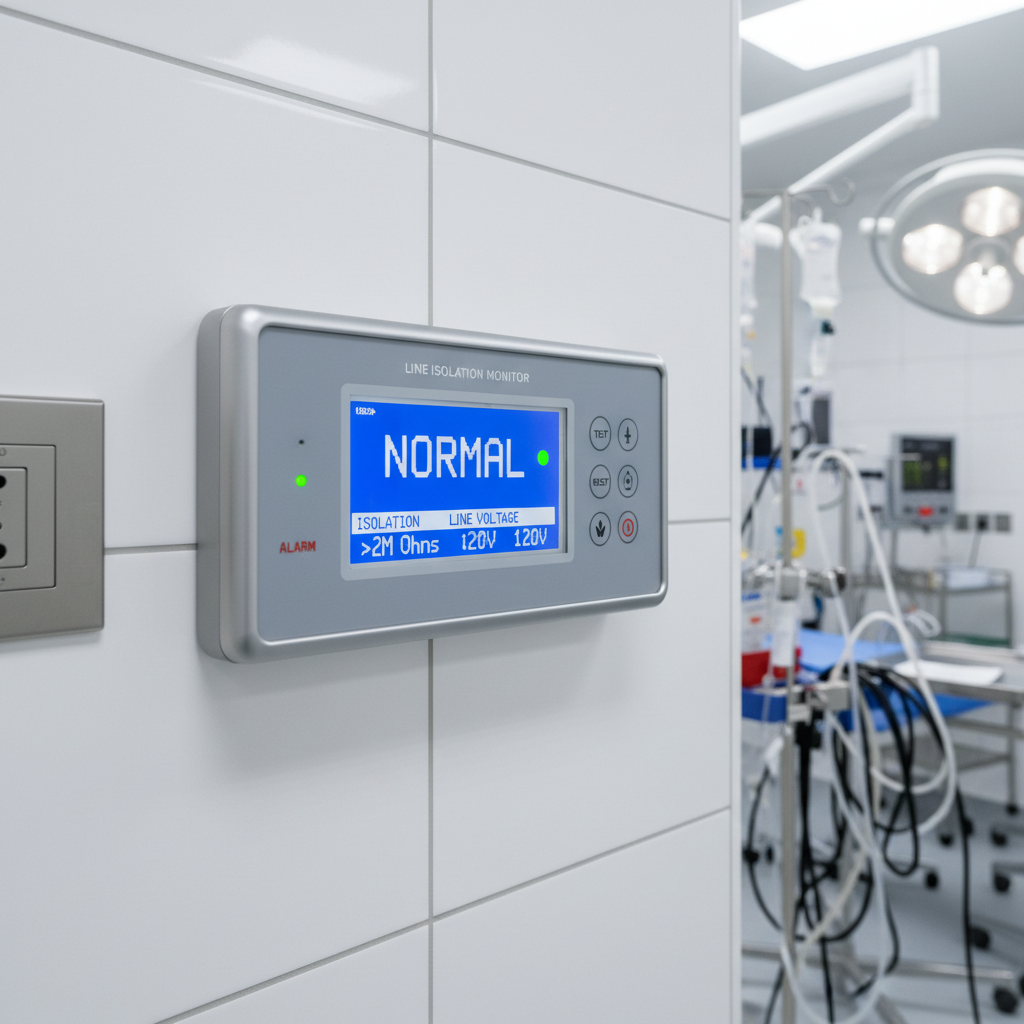
Operating rooms, intensive care units (ICUs), and other wet procedure locations in Washington DC hospitals rely on isolated power systems to protect patients and medical staff from electric shock. At the heart of this system is the Line Isolation Monitor (LIM), a critical safety device that must be regularly tested and inspected to ensure it functions as intended. Neglecting these inspections can jeopardize patient safety, risk non-compliance with NFPA 99 standards, and lead to costly downtime.
This comprehensive guide explains the requirements for line isolation monitor inspection in Washington DC. We’ll cover the NFPA 99 standards, the inspection process itself, the importance of using ASSE-certified technicians, and how to ensure your facility remains compliant and safe. For hospital facility managers and biomedical engineers, understanding these requirements is not just about checking a box, it's about safeguarding lives.
What is a Line Isolation Monitor (LIM)?
A Line Isolation Monitor is a device that continuously monitors the integrity of an ungrounded isolated power system. These specialized electrical systems are required by the National Electrical Code (NEC) and NFPA 99 in "wet procedure locations" where the risk of electrical shock is highest.
Unlike a standard grounded system, where a fault would trip a circuit breaker and cut power, an isolated power system is designed to contain the first fault without interrupting the flow of electricity to critical life-support equipment. The LIM's job is to provide an audible and visual alarm when a ground fault is detected, alerting staff to a potential hazard before it can cause harm or disrupt a procedure. This gives personnel time to identify and correct the issue without losing power to essential devices.
NFPA 99 Requirements for LIM Inspection
The National Fire Protection Association (NFPA) Standard for Health Care Facilities, NFPA 99, sets the minimum requirements for the testing and maintenance of these critical systems. For facilities in Washington DC, adhering to NFPA 99 Chapter 6, "Electrical Systems," is mandatory for compliance and patient safety.
Key LIM testing requirements include:
Monthly Testing: Per NFPA 99-2021: 6.3.3.3.2, LIM circuits must be tested at least monthly. This test is typically a simple "push-to-test" or self-test function that can be performed by designated hospital staff. A written record of this test must be maintained.
Post-Installation/Repair Testing: After a new LIM is installed or any repairs or alterations are made to the isolated power system, a more thorough, quantitative test must be performed by a qualified technician to ensure the system is functioning correctly.
Why this matters for compliance: Regulatory bodies like The Joint Commission (TJC), DNV, and the Centers for Medicare & Medicaid Services (CMS) survey for compliance with NFPA 99. Failure to maintain documented records of monthly and annual line isolation monitor testing can result in citations, fines, and a compromised accreditation status.
The LIM Inspection & Testing Procedure
While the monthly self-test is straightforward, the full inspection performed by a certified technician is more involved. This quantitative test verifies the LIM is performing to its design specifications.
An ASSE-certified technician from a company like Medical Testing Solutions will typically follow these steps:
Visual Inspection: The technician inspects the LIM unit for any physical damage, ensuring indicators and alarms are functional.
Alarm Setpoint Verification: Using specialized test equipment, the technician simulates fault conditions to confirm the LIM alarms at the correct trip point (typically 5 mA for modern systems, as per NFPA 99).
Internal Fault Simulation: The test confirms that the LIM will alarm if an internal fault is detected within the monitor itself.
Documentation: The technician records all readings, including the measured trip current, date of inspection, and the status (Pass/Fail) of the device. This documentation is crucial for your facility’s compliance records.
Who Is Qualified to Perform LIM Inspections?
NFPA 99 requires that individuals performing maintenance, inspection, and testing on medical gas and related electrical systems be qualified and credentialed. For LIMs, this means using a technician certified to the ASSE 6040 Medical Gas Systems Maintainer standard.
An ASSE 6040 certified technician has demonstrated their expertise through rigorous training and examination on all aspects of maintaining medical gas systems, including the isolated power systems that LIMs protect. Using an uncertified individual or a general electrician without this specific credential risks improper testing and jeopardizes your facility’s compliance and safety.
Medical Testing Solutions provides ASSE-certified technicians for all service calls, ensuring every inspection is performed correctly and to the highest standards of safety and compliance.
Common LIM Faults and Alarm Conditions
When a LIM alarms, it indicates a potential hazard. Understanding the cause is the first step to remediation. A comprehensive inspection will test for and identify these issues.
Fault Condition
Potential Cause
Urgency / Action
Total Hazard Current (THC) Alarm
A piece of equipment connected to the circuit has a ground fault.
High. Immediately identify and remove the faulty equipment if possible.
Monitor Fault / Self-Test Failure
The internal circuitry of the LIM itself is compromised.
Medium. The system is no longer being actively monitored. Schedule replacement.
Low Alarm Volume
The audible alarm component is failing.
Low. The visual alarm still functions, but the audible alert might not be heard. Schedule repair.
No Power to LIM
The circuit breaker feeding the LIM or the LIM itself has lost power.
High. The entire isolated power system is not monitored. Investigate immediately.
Choosing a LIM Inspection Provider in Washington DC
When selecting a partner for your LIM inspections, it’s essential to look beyond a simple price comparison. Your choice impacts patient safety and facility compliance.
Key criteria should include:
ASSE Certification: Ensure all technicians hold current ASSE 6040 or other relevant credentials.
Experience & Expertise: Choose a company with a proven track record in the Washington DC metropolitan area and extensive experience with a variety of LIM brands (Bender, PG LifeLink, etc.).
Comprehensive Reporting: Your provider should deliver clear, detailed reports suitable for regulatory audits. These reports are a key part of your annual medical gas inspections documentation.
Nationwide Dispatch: While you need local coverage, a provider with a national footprint often has deeper resources and can support facilities across a larger health system. Medical Testing Solutions, though headquartered in Florida, offers nationwide service, including full coverage for the DC, Maryland, and Virginia region.
Full-Service Offerings: A partner who can also handle medical gas verification for new construction, routine medical gas maintenance services, and equipment sales offers a single point of contact for all your medical gas needs.
Secure Your Facility
Frequently Asked Questions
According to NFPA 99, it is an area in a healthcare facility where procedures are performed that are normally subject to wet conditions while patients are present. This includes most operating rooms, some cardiac cath labs, and dialysis locations, where the presence of liquids increases the risk of electrical shock.
The LIM’s internal self-test or push-to-test feature must be activated and documented monthly. A full, quantitative inspection by an ASSE 6040 certified technician should be performed as part of a comprehensive maintenance plan, and is required after installation or system modification.
Only personnel with specific qualifications, such as an ASSE 6040 Medical Gas Systems Maintainer certification, should perform the quantitative testing and maintenance of LIMs. The simple monthly push-button test can be done by trained in-house staff.
If a LIM fails, it means the isolated power system is no longer adequately protected or monitored. The faulty component, whether it's the monitor itself or a piece of equipment on the circuit, must be identified and repaired or replaced as soon as possible to restore the safety features of the system.
Yes. While we have a strong presence in the Washington DC, Virginia, and Maryland area, we are a nationwide company. Our ASSE-certified technicians serve healthcare facilities across the entire United States.
Request a quote for your facility
Talk with Medical Testing Solutions about your next inspection, repair or equipment request.