Line Isolation Monitor Inspection Sunrise FL: Your Guide to NFPA 99 Compliance
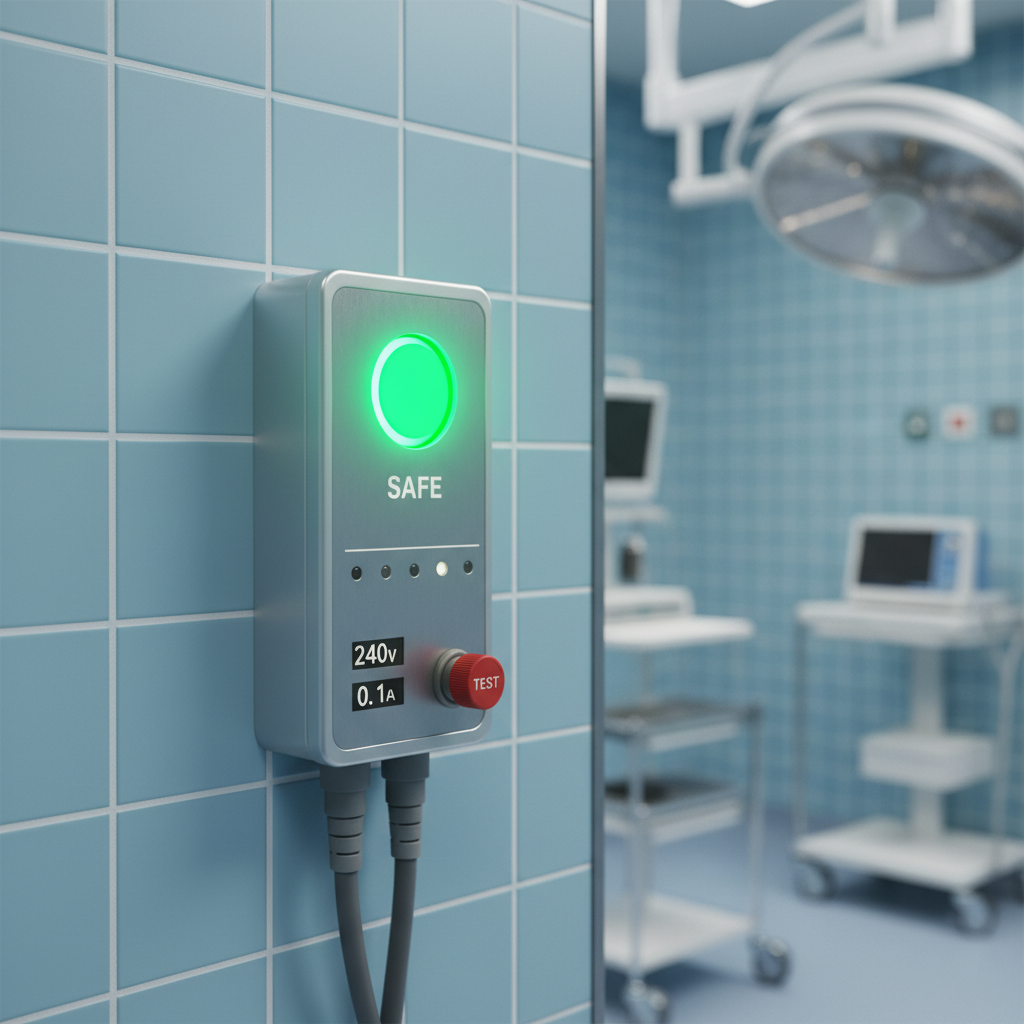
Line Isolation Monitors (LIMs) are a critical but often misunderstood component of electrical safety in healthcare facilities. As a key part of an Isolated Power System (IPS), the LIM provides an early warning of electrical ground faults in operating rooms and other wet procedure locations, protecting both patients and staff from the risk of electric shock. This guide provides a definitive overview of the annual "line isolation monitor inspection Sunrise FL" facilities must conduct to comply with NFPA 99. We will explore the technology, breakdown the specific testing requirements, detail the inspection process, and explain how to ensure your facility is both safe and survey-ready.
What is a Line Isolation Monitor and Why is it Critical?
To understand a LIM, you must first understand the special electrical system it protects: the Isolated Power System (IPS). These systems are required by the National Electrical Code® (NEC) and NFPA 99 in all "wet procedure locations."
Understanding Isolated Power Systems (IPS)
Standard electrical systems in your home or office are "grounded," meaning there's a direct connection between the neutral wire and the earth. If a fault occurs and a person touches a live wire, their body can complete the circuit to the ground, resulting in a dangerous shock.
Isolated Power Systems, however, do not have that direct connection to ground. They use an isolation transformer to create an ungrounded electrical service. This means a person touching a single live conductor will NOT receive a shock, because there is no path for the current to flow to the ground. This is a life-saving protection in environments like operating rooms where staff are in contact with patients and surrounded by conductive fluids and equipment.
The Role of the LIM
The LIM is the "watchdog" of the Isolated Power System. Its sole job is to continuously monitor the system's integrity. It measures the total "hazard current"—the cumulative leakage current from all equipment plugged into the system. If this current reaches a predetermined threshold (typically 5 mA, as set by NFPA 99), the LIM will trigger an audible and visual alarm. This alarm does NOT shut off the power; it simply warns staff that a "first fault" has occurred and the system is no longer truly isolated. This gives them time to identify and remove the faulty device without interrupting a critical procedure.
Wet Procedure Locations Defined by NFPA 99
NFPA 99, Health Care Facilities Code, mandates the use of Isolated Power Systems (and therefore LIMs) in all areas designated as a "Wet Procedure Location." According to NFPA 99-2012 Chapter 6, this includes:
- Operating Rooms (ORs)
- Cardiac Catheterization Labs (Cath Labs)
- Intensive Care Units (ICUs)
- Dialysis Locations
- Any area where procedures involving liquids are common and could create a conductive path.
Why this matters for compliance: Properly identifying all wet procedure locations and ensuring they are equipped with functional, regularly tested LIMs is a primary focus of surveyors from The Joint Commission (TJC), DNV, and other accrediting organizations. Negligence in this area can lead to significant findings.
NFPA 99 Requirements for LIM Inspection
Compliance isn't optional. NFPA 99 lays out clear, non-negotiable standards for LIM testing and maintenance.
The Annual Testing Mandate
NFPA 99-2012, section 6.3.3.3.2, states: "Line isolation monitors shall be tested at least every 12 months..." This testing must be performed in addition to any testing done after the initial medical gas installation or any repairs to the system. For facilities in Sunrise, Florida, adhering to this annual schedule is fundamental to maintaining a safe environment of care.
Who Can Perform the Test?
The code specifies that testing must be performed by "qualified personnel." This means individuals who understand the theory behind isolated power, are familiar with the specific testing procedures, and have the proper calibrated equipment. The best indicator of a qualified professional is an ASSE 6000 series certification, such as an ASSE 6040 Medical Gas Systems Maintainer. The technicians at Medical Testing Solutions hold these credentials and specialize in this precise type of testing.
Test Criteria and Documentation
According to NFPA 99 (6.3.4.1.4), the inspection must verify and document:
- Alarm Activation: The LIM must alarm at the specified hazard current, which is typically 5 mA for modern systems.
- Visual & Audible Alarms: The test must confirm that both the amber/orange light and the audible tone activate when the fault threshold is reached.
- Green "Safe" Light: The green indicator should be illuminated when the system is operating normally below the alarm threshold.
Following the inspection, a detailed report must be generated and kept on file for regulatory review. This documentation is a key part of your facility's compliance records for annual medical gas inspections.
The Annual Line Isolation Monitor Inspection Process: Step-by-Step
A professional LIM inspection is a systematic process that ensures nothing is missed.
- Documentation Review: The technician begins by reviewing the facility’s records, including previous inspection reports and any maintenance logs for the Isolated Power System.
- Visual Inspection: The LIM panel itself is inspected for any signs of physical damage, ensuring labels are legible and the unit is securely mounted.
- Functional Testing: Using a specialized LIM test set, the technician connects to the isolated circuit. This equipment simulates leakage current and allows the technician to precisely measure the trip point of the monitor. The test verifies that the LIM alarms at the correct mA value.
- Alarm Verification: As the test is conducted, the technician confirms the simultaneous activation of both the visual (light) and audible (buzzer) alarms.
- Reporting: All findings are meticulously recorded. The final report will indicate a "Pass" or "Fail" for each LIM, note the measured trip values, and be signed by the certified technician. This report is your proof of compliance.
For a full-circle approach to compliance, this electrical safety inspection should be part of a comprehensive medical gas testing and verification program.
Choosing a Qualified LIM Testing Partner in Sunrise, FL
Not all vendors are created equal. When selecting a partner for this critical life-safety task, facilities must look for specific qualifications.
- ASSE 6000 Certification: This is the gold standard. It proves the technicians have been trained, tested, and are knowledgeable of the latest NFPA codes. Don't settle for less.
- Specialized Experience: A general electrician is not a medical gas specialist. You need a company that lives and breathes healthcare compliance. Medical Testing Solutions is an ASSE-certified firm focused exclusively on medical gas and related electrical safety systems.
- Comprehensive Services: The ideal partner can support all your medical gas needs, from LIM testing to equipment maintenance and full system certification.
| Standard / Body | Key Requirement | Frequency | Primary Responsibility |
|---|---|---|---|
| NFPA 99-2012 | Test LIM trip point (e.g., 5 mA) & alarms. | Annually (minimum) | Facility / Qualified Vendor |
| The Joint Commission | Adherence to NFPA 99 standards. | Per Survey Cycle | Healthcare Facility |
| DNV GL | Adherence to NFPA 99 standards. | Per Survey Cycle | Healthcare Facility |
| Facility Policy | May require daily self-tests via front button. | Daily / Per Shift | Clinical Staff / Bio-Med |
FAQs about Line Isolation Monitor Inspection
How often do Line Isolation Monitors need to be inspected?According to NFPA 99 (Chapter 6.3.3.3.2), Line Isolation Monitors (LIMs) must be tested at least every 12 months. Additionally, they require testing after any installation or repair to the isolated power system.
What is a "wet procedure location"?A "wet procedure location" is defined by NFPA 99 as any area in a patient care facility where procedures involving liquids are performed, which could create an electrical shock hazard. This includes operating rooms, cardiac catheterization labs, dialysis units, and some intensive care units.
Who is qualified to perform LIM testing?NFPA 99 requires LIM testing to be performed by qualified personnel. This typically means technicians who are knowledgeable about electrical systems, testing protocols, and have experience with healthcare facilities. An ASSE 6040 Medical Gas Systems Maintainer certification is a key indicator of a qualified professional.
What happens if a Line Isolation Monitor fails its inspection?If a LIM fails inspection, the root cause must be identified and corrected immediately. This may involve repairing the LIM unit, or more commonly, locating and repairing a faulty piece of medical equipment plugged into the circuit. The isolated power system should not be used in a critical patient care capacity until it is fully compliant and passes inspection.
Can our in-house biomed team perform LIM testing?Yes, an in-house biomedical or facilities team can perform LIM testing if they have the proper, calibrated test equipment and have been adequately trained on the specific procedures outlined in NFPA 99. However, many Sunrise-area facilities opt for a certified third-party, like Medical Testing Solutions, to ensure unbiased compliance and expert documentation. You can learn more by visiting our contact page.
Your Partner for Compliance and Safety in Sunrise
Ensuring your Line Isolation Monitors are functioning correctly is not just a compliance task—it's a fundamental patient safety requirement. The annual inspection is a simple, non-invasive process that provides peace of mind and keeps your facility prepared for any regulatory survey.
Don't leave the safety of your patients and staff to chance. Ensure your facility in Sunrise, FL, is safe and compliant. Contact the ASSE-certified experts at Medical Testing Solutions today for a comprehensive Line Isolation Monitor inspection.
Call us at +1 (754) 315-1078 or request a quote online to schedule your service.'''
This article is provided for educational purposes and reflects industry standards as of publication. Always verify against current NFPA 99, CGA, and AHJ requirements. Medical Testing Solutions is ASSE-certified and ready to help — contact us for facility-specific guidance.
Need Medical Gas Services?
Contact our certified team for inspections, verifications, installations, and more.
Get a Free Quote