Operating rooms, intensive care units, and other hospital "wet procedure locations" present unique electrical safety challenges. The presence of fluids near electrical equipment creates a risk of ground-faults that could endanger patients and staff. To mitigate this risk, these areas rely on Isolated Power Systems (IPS), and a critical component of every IPS is the Line Isolation Monitor (LIM). Ensuring these devices function perfectly is not just a best practice, it's a requirement under NFPA 99. This guide explains the essential requirements for line isolation monitor inspection in Seattle, WA, detailing the process, compliance standards, and how to choose a qualified service provider to ensure your facility meets these stringent safety protocols.
Line Isolation Monitor Inspection in Seattle, WA: A Guide to NFPA 99 Compliance
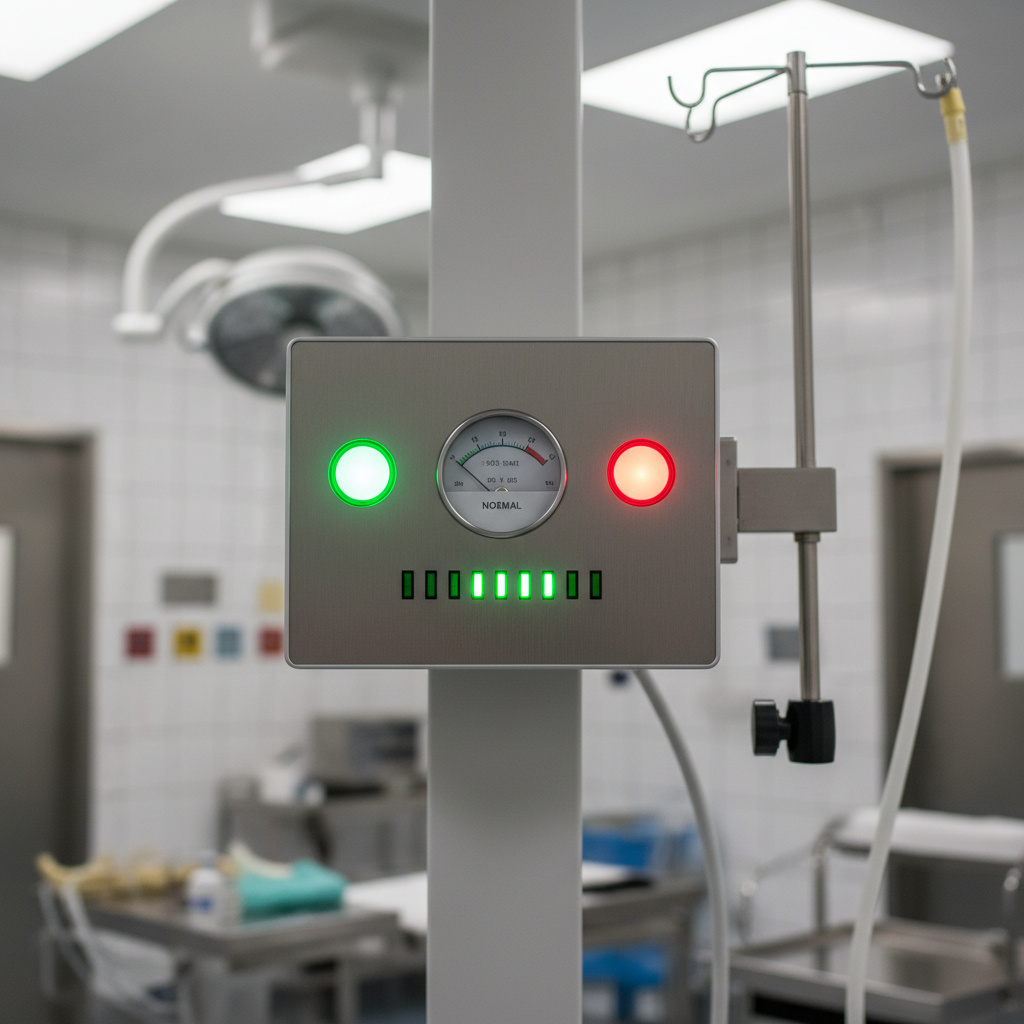
What is a Line Isolation Monitor?
A Line Isolation Monitor is a safety device that continuously monitors the integrity of an Isolated Power System. Unlike a standard grounded system which uses a circuit breaker to interrupt power during a fault, an IPS is ungrounded. This design prevents a single ground-fault from interrupting the power supply to critical life-support equipment. The LIM's job is to detect the first fault to ground, alerting staff to a potential issue before a second fault could cause power loss or create a hazardous situation. It provides an audible and visual alarm when the leakage current from the isolated conductors to ground reaches a predetermined threshold, typically 5 mA, as specified by NFPA 99.
The Role of Isolated Power Systems (IPS)
Isolated Power Systems are a specialized electrical infrastructure mandated by the National Electrical Code (NEC) and NFPA 99 for any area designated as a "wet procedure location." Their primary purpose is to enhance electrical safety and ensure continuity of power. By not being referenced to ground, the system can sustain a single fault to ground without tripping a breaker, preventing a sudden loss of power to ventilators, monitors, and other essential equipment during a critical procedure. The LIM is the central brain of this system, providing the necessary surveillance to keep it safe.
Why LIMs are Critical in 'Wet Procedure Locations'
NFPA 99 defines a "wet procedure location" as an area where procedures are performed that are normally subject to wet conditions while patients are present. This includes the presence of blood, saline, irrigation fluids, and cleaning solutions. When these fluids can create a conductive path between a person (patient or staff) and an electrical device, the risk of electric shock is significantly elevated. The LIM acts as an early warning system, ensuring that practitioner and patient safety is never compromised. Proper Line Isolation Monitor Testing is the only way to verify this critical safety function.
NFPA 99 Requirements for LIM Inspection
The National Fire Protection Association's standard for Health Care Facilities, NFPA 99, provides the definitive codes for LIM testing and maintenance. Compliance is mandatory for patient safety and to pass accreditation surveys from organizations like The Joint Commission.
Chapter 6: Electrical Systems
NFPA 99, Chapter 6, "Electrical Systems," is the primary source for these requirements. It mandates that LIMs and their associated alarms be tested at regular intervals. Specifically, section 6.3.3.3.2 states that LIM test switches shall be tested at least once every 12 months. This test must verify the LIM is functioning correctly by simulating a fault condition and ensuring the alarm activates at the correct threshold.
Why this matters for compliance: Failure to document annual LIM testing can result in a finding of non-compliance during a regulatory inspection. This can jeopardize a hospital's accreditation, lead to fines, and create an unsafe environment. Consistent, documented testing by certified professionals is essential proof of due diligence.
Who is Qualified to Test LIMs? ASSE 6040 Certification
NFPA 99 requires that LIM inspections be performed by qualified individuals. While the standard itself doesn't name a specific license, the industry benchmark for qualification is the ASSE 6040 Medical Gas Systems Specialist certification. An ASSE 6040 certified technician has undergone rigorous training and examination on all aspects of medical gas and vacuum systems, including the electrical safety components like LIMs. They have a deep understanding of NFPA 99, ensuring that tests are not just performed, but performed correctly and documented accurately. When you need medical gas certification for your facility's systems, you need a provider with ASSE-certified staff.
The LIM Testing and Inspection Process
A proper LIM inspection is a multi-step process that goes beyond simply pushing the "test" button on the unit. A qualified technician from a company like Medical Testing Solutions will perform a comprehensive evaluation.
- Visual Inspection: The technician checks the physical integrity of the LIM panel and the associated remote indicators in the operating room or patient care area.
- Device History Review: The technician reviews past test reports and maintenance logs to identify any recurring issues or patterns of concern.
- Functional Test: Using specialized test equipment, the technician simulates fault conditions to verify that the LIM alarms at the correct mA threshold as specified by NFPA 99.
- Alarm Verification: The test includes confirming that both the audible and visual alarms on the master panel and all remote annunciators activate as expected.
- Documentation: Every step is meticulously documented in a detailed report that provides a clear record of the LIM's performance. This report is critical for demonstrating compliance to surveyors.
Comparing LIM Testing Providers: What to Look For
When choosing a partner for line isolation monitor inspection in Seattle, WA, it's important to select a provider that offers more than a basic service. The right partner enhances safety and simplifies compliance.
| Feature | Generic Provider | Medical Testing Solutions | Why It Matters |
|---|---|---|---|
| Technician Certification | May be uncertified | ASSE 6040 Certified | Ensures expert-level knowledge of NFPA 99 and testing procedures. |
| Service Area | Local or Regional | Nationwide Dispatch | Consistent service quality across all your facilities, even for health systems with a national footprint. |
| Reporting | Basic Checklist | Detailed Digital Reports | Comprehensive documentation for accreditation and long-term asset management. |
| Scope of Service | LIM Testing Only | Full-Suite (Verification, Installation, Maintenance) | A single partner forall your medical gas and electrical safety needs, from annual inspections to emergency repairs. |
As a nationwide leader in medical gas services, Medical Testing Solutions brings a level of expertise and professionalism that local-only providers cannot match. Our team understands the complex demands of hospital compliance because it's our sole focus.
Beyond Inspection: LIM Maintenance and Repair
Passing an inspection is one thing; ensuring continuous reliability is another. A robust medical gas maintenance program is key. Regular preventive maintenance can identify potential issues before they lead to an alarm or failure. Should a LIM fail or require replacement, our ASSE-certified technicians can manage the entire process, from sourcing a compatible device to performing the installation and verification. We ensure your critical areas return to full compliance with minimal downtime.
Conclusion: Prioritize Safety and Compliance in Seattle
Line Isolation Monitors are a foundational element of patient safety in your Seattle hospital’s most critical areas. Adhering to the stringent testing requirements of NFPA 99 is not optional. By partnering with a qualified, ASSE-certified provider like Medical Testing Solutions, you ensure your LIMs are functioning correctly, your facility is compliant, and your patients and staff are protected. Our comprehensive approach to annual medical gas inspections and maintenance provides peace of mind and simplifies your compliance obligations.
Don't wait for a surveyor to find a problem. To ensure your facility's LIMs are compliant and fully functional, request a quote from our team today or call us at +1 (754) 315-1078 to schedule your inspection.
Frequently Asked Questions
Request a quote for your facility
Talk with Medical Testing Solutions about your next inspection, repair or equipment request.