Line Isolation Monitor Inspection in Plantation, FL: Your NFPA 99 Guide
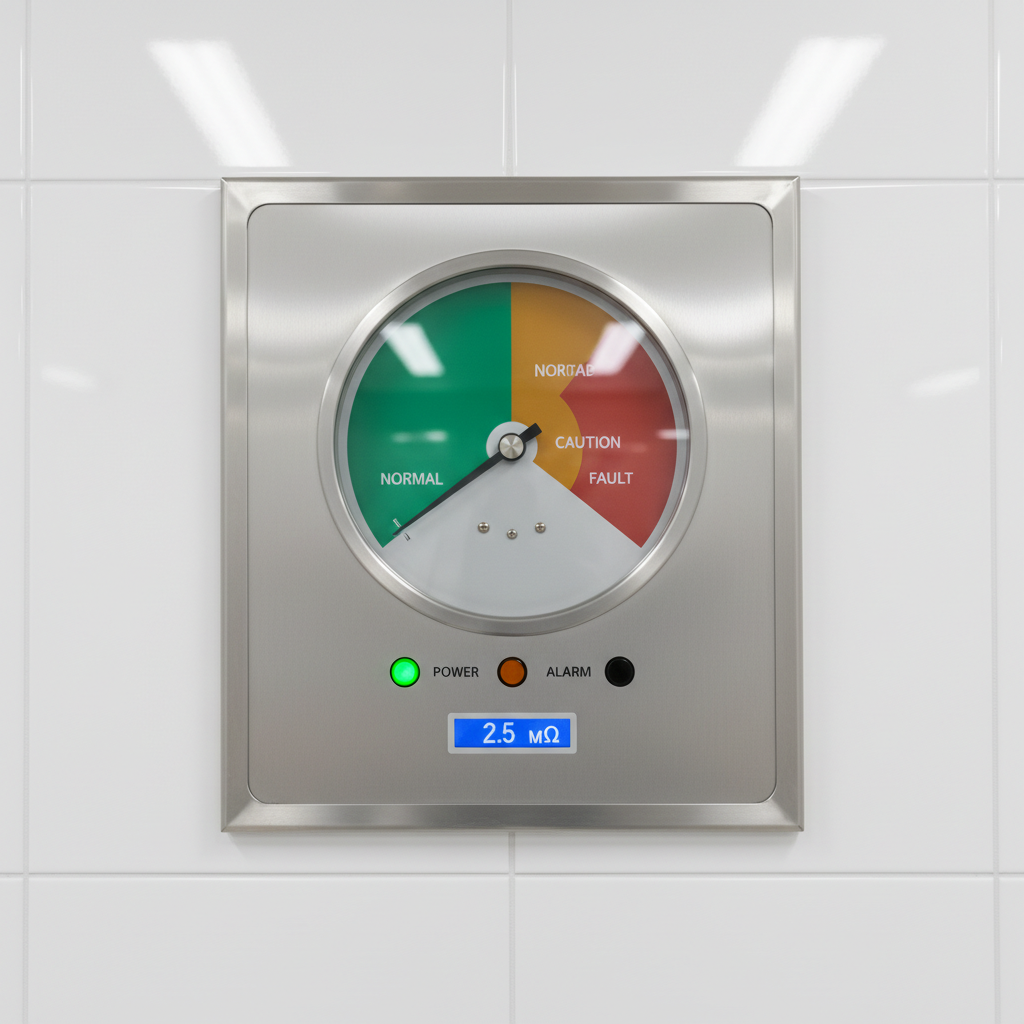
In the high-stakes environment of a healthcare facility, electrical safety is paramount, especially in "wet procedure locations" like operating rooms, intensive care units, and dialysis centers. A key component of this safety net is the Isolated Power System, and its watchdog, the Line Isolation Monitor (LIM). For facilities in Plantation, Florida, ensuring these systems are functioning correctly isn't just good practice—it's a requirement mandated by the National Fire Protection Association (NFPA).
This comprehensive guide explains the critical importance of annual line isolation monitor inspection in Plantation FL. We will delve into the specific requirements outlined in NFPA 99, detail the meticulous inspection process performed by certified professionals, and clarify what facility managers need to know to maintain compliance and ensure the highest level of patient safety. You will learn the "what," "why," and "how" behind LIM testing, empowering you to protect your facility effectively.
What is a Line Isolation Monitor (LIM)?
A Line Isolation Monitor is a device that continuously monitors the integrity of an Ungrounded Electrical System, commonly known as an Isolated Power System. Its primary job is to provide an early warning to medical staff of a potential electrical hazard before it can cause harm.
The Role of Isolated Power Systems in Patient Safety
In a standard grounded electrical system (like the one in your home), the first electrical fault will trip a circuit breaker. In a critical care setting, that sudden loss of power to life-support equipment would be catastrophic.
Isolated Power Systems are different. They are ungrounded, meaning the first line-to-ground fault will not cause a power interruption. Instead, the LIM detects the leakage current, triggering an audible and visual alarm to alert staff that a (non-hazardous) fault has occurred. This gives them time to identify and replace the faulty equipment without interrupting power to the patient.
How LIMs Provide an Early Warning
The LIM constantly measures the "total hazard current" — the cumulative leakage current from all connected equipment. If this current exceeds a predetermined threshold (typically 5 milliamperes as per NFPA 99), the LIM alarm activates. This indicates that the ungrounded system is now, in effect, a grounded system. While not immediately dangerous, it means a second fault could be hazardous, making prompt resolution crucial.
NFPA 99 Requirements for Line Isolation Monitors
NFPA 99, the Health Care Facilities Code, is the definitive standard for medical gas and electrical systems. It provides clear, enforceable requirements for the installation and maintenance of LIMs to protect patients and staff.
Why this matters for compliance: Adherence to NFPA 99 is not optional. It is the standard used by accrediting bodies like The Joint Commission (TJC) and local authorities having jurisdiction (AHJs) to evaluate the safety of your facility. A failed LIM inspection can lead to citations, fines, and mandated operational shutdowns until the issue is rectified.
Chapter 6: Electrical Systems Explained
Chapter 6 of NFPA 99 (2012 Edition: 6.3.2.6.3 / 2021 Edition: 6.3.3.3) is dedicated to Isolated Power Systems. It mandates that all LIMs be tested and documented at specific intervals:
- After installation: Before any new system is put into service.
- Periodically: On a scheduled basis, which is defined as annually.
- After any repair or renovation: To ensure the system's integrity has not been compromised.
These tests are designed to verify that the LIM will alarm when a fault condition arises, giving clinical staff the warning they need.
Annual Testing Mandates and Alarm Thresholds
NFPA 99 6.3.4.1.4 states that an ASSE 6040 certified technician must test the LIM to confirm it alarms when the total hazard current reaches the 5 mA threshold. This test involves introducing a calibrated fault to the system to ensure both the visual and audible alarms function as intended. For facilities in and around Plantation, FL, partnering with a certified provider like Medical Testing Solutions is the most reliable way to meet these stringent requirements.
The Annual LIM Inspection and Testing Procedure
A proper LIM inspection and testing service is a meticulous process that goes beyond simply pushing a "test" button. It must be performed by a qualified technician with an ASSE 6040 certification.
The procedure generally includes these key steps:
- Visual Inspection: The technician checks the physical condition of the LIM panel, wiring, and any remote indicators for signs of damage or wear.
- Functional Test: A specialized test instrument is used to simulate leakage currents at various levels, verifying that the LIM's audible and visual alarms trigger at the 5 mA threshold mandated by NFPA 99.
- Meter Accuracy Check: The technician confirms that the LIM’s analog or digital meter is providing an accurate reading of the system's isolation level.
- Documentation: Every test is thoroughly documented, providing a detailed report for your facility's compliance records. This report is essential for TJC and other regulatory audits.
At Medical Testing Solutions, our ASSE-certified technicians follow a rigorous, field-tested protocol to ensure every aspect of your Isolated Power System is evaluated correctly.
Common Causes of LIM Alarms
Understanding what triggers a LIM alarm can help your staff respond appropriately. The cause is often cumulative leakage from multiple pieces of equipment plugged into the same isolated power circuit.
- Faulty Equipment: A single piece of medical equipment with an internal electrical fault.
- Damaged Wiring: Frayed or damaged power cords.
- Too Much Equipment: Plugging too many devices into a single isolated power panel can cause the cumulative leakage current to exceed the 5mA threshold, even if no single device is faulty.
- Moisture or Spills: Contamination in receptacles or on equipment can create a path for leakage current.
Choosing a Certified Partner for LIM Inspections in Plantation, FL
When it comes to life-safety systems, the qualifications of your service provider are non-negotiable. It's not enough to have someone who is "good with electronics"; you need a partner with verifiable credentials.
The ASSE 6000 Standard
The American Society of Sanitary Engineering (ASSE) provides the most respected certifications for medical gas and related equipment personnel. For LIM testing, the key certification is ASSE 6040 Medical Gas Systems Maintenance Personnel. This proves a technician has undergone extensive training and passed a rigorous exam on the maintenance of medical gas and vacuum systems, including Isolated Power Systems. For new installations, an ASSE 6010 Certified Installer is required, and for system verification, an ASSE 6030 Verifier is needed.
Why Local, Certified Technicians Matter
Using a local, certified provider like Medical Testing Solutions, headquartered right here in Florida, ensures rapid response times and a team that understands the specific needs and regulatory landscape of the Plantation area. Our team holds the necessary ASSE certifications to perform maintenance, installations, and verifications, providing a single source of truth for your facility's compliance.
Comparing LIM Testing vs. Other System Inspections
It can be challenging to keep track of all the required inspections. This table compares LIM testing with other common medical gas system inspections.
| Feature | Line Isolation Monitor (LIM) Testing | Medical Gas Zone Valve Testing | Medical Gas Outlet Testing |
|---|---|---|---|
| Standard | NFPA 99, 6.3.3.3.2 | NFPA 99, 5.1.14.2.3 | NFPA 99, 5.1.12 |
| Frequency | Annually & after repair | Annually | Varies; part of initial verification & repair |
| Purpose | Ensure early warning of electrical faults | Confirm valve operation and proper zoning | Check for flow, pressure, and gas specificity |
| Performed By | ASSE 6040 Certified Technician | ASSE 6040 Certified Technician | ASSE 6030 Certified Verifier |
| Key Test | Simulate fault to trigger 5 mA alarm | Physically close and reopen valve, check gauges | Test with gas-specific connectors & manometers |
This highlights the unique nature of LIM testing and why it requires specific expertise alongside your facility's program of annual medical gas inspections.
Frequently Asked Questions (FAQs) about Line Isolation Monitor Inspection
Q: What exactly is a "wet procedure location" according to NFPA 99?A: A wet procedure location is any area in a healthcare facility where procedures are performed that are normally subject to wet conditions while patients are present. This includes operating rooms, cardiac catheterization labs, dialysis locations, and some emergency department areas. The presence of liquids increases the risk of electrical shock, necessitating the use of Isolated Power Systems.
Q: How long does a line isolation monitor inspection take?A: For a single LIM, the process typically takes 30-60 minutes, which includes documentation. The duration can vary depending on the accessibility of the panel and if any issues are discovered that require further troubleshooting.
Q: What happens if our LIM fails the inspection?A: If a LIM fails, it must be reported to the facility's management immediately. The system is considered compromised, and the root cause (e.g., the LIM itself or faulty equipment) must be identified and repaired. The LIM must then be re-tested and pass before the area can be considered fully compliant and safe for use. Medical Testing Solutions can assist with both troubleshooting and repair.
Q: Can my hospital's maintenance staff perform the LIM testing?A: Only if they hold a current ASSE 6040 certification. NFPA 99 and TJC require that this testing be performed by qualified, certified personnel. Using uncertified staff can jeopardize your accreditation and patient safety.
Q: Do you service areas outside of Plantation, FL?A: Yes. While we provide dedicated local service to Plantation and the greater Fort Lauderdale area, Medical Testing Solutions serves healthcare facilities throughout Florida and beyond.
Schedule Your NFPA 99-Compliant Inspection Today
Don't leave patient safety and facility compliance to chance. A fully functional Line Isolation Monitor is a critical line of defense in your most sensitive patient care areas. The expert, ASSE-certified technicians at Medical Testing Solutions are ready to ensure your equipment meets every NFPA 99 standard.
Protect your patients, support your staff, and secure your facility's compliance. Contact us today to discuss your testing needs and schedule your line isolation monitor inspection in Plantation FL.
Call us at +1 (754) 315-1078 or request a quote online to get started.'''
This article is provided for educational purposes and reflects industry standards as of publication. Always verify against current NFPA 99, CGA, and AHJ requirements. Medical Testing Solutions is ASSE-certified and ready to help — contact us for facility-specific guidance.
Need Medical Gas Services?
Contact our certified team for inspections, verifications, installations, and more.
Get a Free Quote