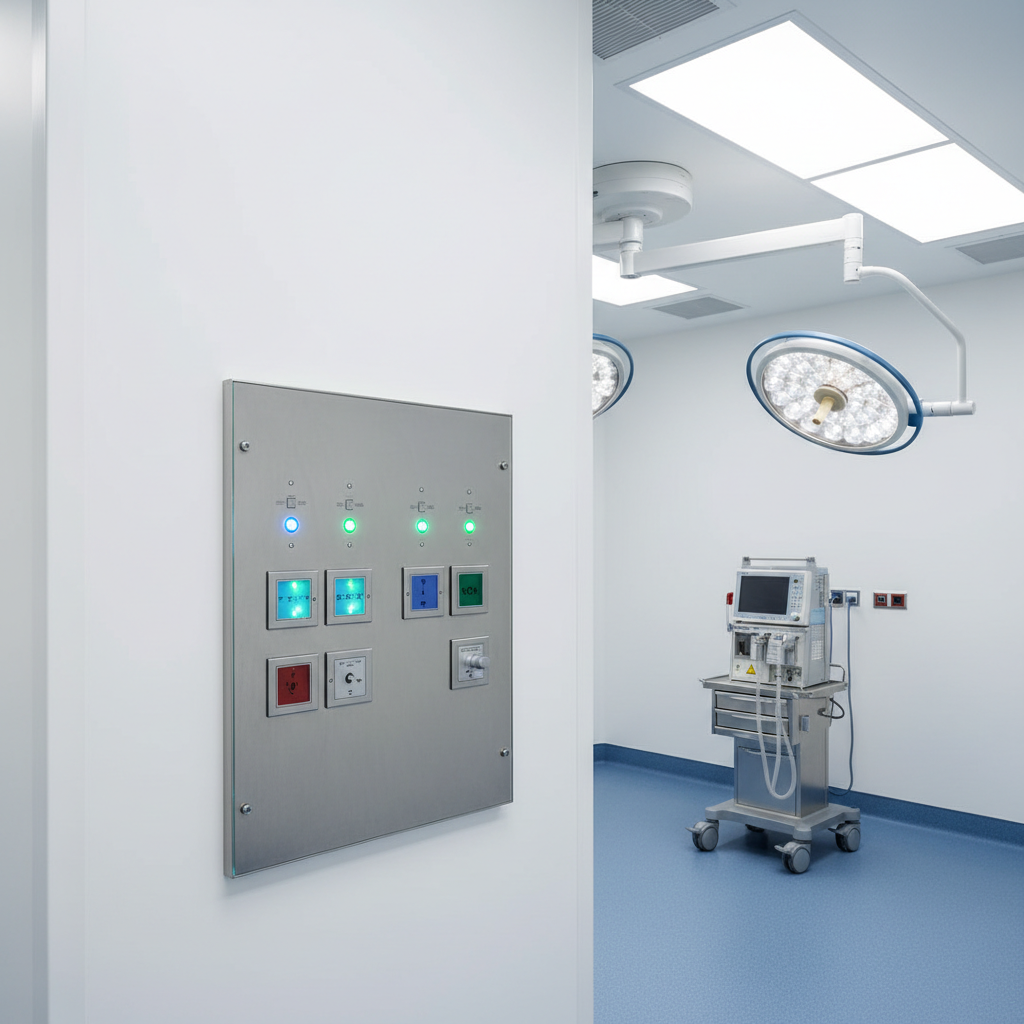
Line Isolation Monitor Inspection Phoenix AZ: A Guide for Healthcare Facilities
Medical Testing SolutionsJune 25, 20266 min read
Share
Line Isolation Monitors (LIMs) are the unsung heroes of electrical safety in your most critical patient care areas. For hospital facility managers and biomedical engineers in Phoenix, ensuring these devices function flawlessly isn't just a matter of best practice, it's a critical requirement for NFPA 99 compliance and patient safety. An unexpected electrical fault in an operating room or intensive care unit can have catastrophic consequences. This guide provides a definitive overview of line isolation monitor inspection protocols, NFPA standards, and how to choose a certified partner to safeguard your facility, staff, and patients.
In this post, you will learn exactly what a LIM is, the specific NFPA 99 testing requirements, what a proper inspection entails, and how to identify a qualified, ASSE-certified service provider in the Phoenix, Arizona area.
What is a Line Isolation Monitor?
A Line Isolation Monitor is a safety device required in "wet procedure locations" within healthcare facilities, as defined by the National Fire Protection Association (NFPA). These areas include operating rooms, ICUs, cardiac care units, and other locations where patients may be subject to invasive procedures and are connected to line-operated electromedical equipment.
The LIM continuously monitors the integrity of the isolated power system. This ungrounded electrical system is designed to protect patients and staff from electric shock. Should a fault occur, the LIM provides both audible and visual alarms to alert staff before a dangerous situation develops, without interrupting power to critical life-support equipment. It is the first line of defense against macroshock and microshock hazards.
Isolated Power Systems vs. Standard Grounded Systems
In a typical commercial or residential building, electrical systems are grounded. If a fault occurs, a circuit breaker trips, shutting off power. In a critical patient care setting, however, suddenly losing power to a ventilator or heart-lung machine is unacceptable. Isolated power systems, monitored by a LIM, allow for a single fault to occur without interrupting the power supply, giving clinicians time to address the issue without compromising patient care. Proper LIM testing and service is the only way to ensure this system is ready.
NFPA 99 Requirements for LIM Inspection
Compliance with NFPA 99, Health Care Facilities Code, is mandatory. Chapter 6, "Electrical Systems," provides explicit direction on the testing and maintenance of Line Isolation Monitors. Facility managers in Phoenix must be aware of these specific requirements to pass audits and ensure safety.
Per NFPA 99 (2012 Edition) Section 6.3.4.1.4:
"The line isolation monitor circuit shall be tested at least monthly by actuating the monitor test switch. For line isolation monitors with a remote indicator or alarm, the actuating of the test switch shall also actuate the remote indicator or alarm. Satisfactory performance shall be indicated by the audible and visual signals."
Per NFPA 99 (2012 Edition) Section 6.3.4.1.5:
"After the system is repaired, the line isolation monitor circuit shall be tested in accordance with 6.3.3.3.2."
This refers to a more rigorous test conducted by a qualified professional after installation or repair. However, best practices and many authorities having jurisdiction (AHJs) require a more thorough annual inspection by a certified technician.
Why this matters for compliance: Regular, documented LIM testing is a specific line item for regulatory bodies like The Joint Commission (TJC), DNV, and state health departments. Failure to provide records of monthly and annual testing can result in findings, potential fines, and a risk to your facility's accreditation. Documented annual medical gas inspections that include LIMs are crucial.
The Professional LIM Inspection Process
While staff can and should perform the monthly test via the "push-to-test" button, an annual inspection by an ASSE 6040 Certified Medical Gas Maintenance Technician is far more comprehensive. This is where a company like Medical Testing Solutions provides critical expertise. Our technicians, dispatched nationwide including to the Phoenix metro area, follow a meticulous process.
Here’s what you can expect during a professional LIM inspection:
Visual Inspection: Checking the device for any physical damage, ensuring all indicators are functional, and verifying it's the correct type for the location.
Alarm Set-Point Verification: The technician uses specialized equipment to simulate fault conditions and verify that the LIM alarms at the correct trip point (typically 2 mA or 5 mA, depending on the system's age and design per NFPA 99).
Monitor Hazard Current Testing: Measuring the leakage current of the isolated power system itself to ensure it falls within acceptable limits.
Functionality Test: Activating the onboard test button to confirm basic alarm functionality and training staff on what the alarm means.
Remote Alarm Verification: If the LIM is connected to a remote annunciator panel (e.g., at the nurse's station), the technician will verify that the remote alarms activate simultaneously with the local device.
Documentation: Providing a detailed, digital report for each LIM tested, including its location, serial number, test results, and a pass/fail status. This documentation is essential for your compliance records.
Choosing a Certified LIM Inspection Provider in Phoenix
Not all service companies are created equal. When selecting a partner for something as critical as LIM inspection, you must look for specific credentials. The safety of your Phoenix facility depends on it.
Key Qualifications Table
Credential
Why It's Essential
What to Ask For
ASSE 6040 Certification
This is the specific certification for Medical Gas Systems Maintenance Personnel. It proves the technician has been trained and tested on the unique requirements of maintaining equipment like LIMs, per NFPA 99.
"Are your technicians who perform LIM testing ASSE 6040 certified?"
Broad Insurance Coverage
Look for liability and E&O insurance specifically covering work in healthcare environments.
"Can you provide a certificate of insurance (COI)?"
Experience with Multiple Brands
A qualified provider will have experience with all major LIM brands, including Bender, BGM, Post Glover, and Square D.
"Which LIM manufacturers are you familiar with?"
Nationwide Coverage
A national company like Medical Testing Solutions has the resources and personnel to service large healthcare systems and facilities across Arizona and beyond, ensuring consistent service.
"Do you have the capacity to service all our locations?"
Common LIM Failures and Prevention
Even with regular testing, issues can arise. Understanding common points of failure can help your in-house team be more proactive.
Faulty Equipment: A plugged-in device with high leakage current is a common cause. Isolate the issue by unplugging devices one by one.
Damaged Wiring: Damage to conduit or wiring in the isolated power system can create a fault. This requires professional diagnosis and potentially medical gas verification of the system if repairs are extensive.
Aging LIMs: Older LIMs can drift from their calibrated set-points or suffer from component failure. A professional inspection will identify if a unit needs recalibration or replacement.
Moisture Ingress: Fluid an get into receptacles or on equipment, causing a fault to ground. Ensure all cover plates are intact and appropriate for the location.
Preventative maintenance is key. Regular professional inspections and diligent logging by staff can catch many of these issues before they become urgent problems.
Get Your Quote for Line Isolation Monitor Inspection in Phoenix
Don't leave the safety of your patients and the compliance of your facility to chance. Ensuring your Line Isolation Monitors are functioning correctly is a non-negotiable aspect of modern healthcare management. The ASSE-certified technicians at Medical Testing Solutions provide comprehensive, NFPA 99-compliant LIM testing for hospitals and surgical centers across the Phoenix, AZ area and nationwide.
We provide the detailed documentation you need to be prepared for any audit or survey. Protect your patients, staff, and facility. For a detailed quote on a line isolation monitor testing service agreement, contact our team today or call us directly at +1 (754) 315-1078.
Frequently Asked Questions
According to NFPA 99, LIMs must be tested monthly by actuating the test switch. A more thorough inspection by a qualified, certified technician should be performed annually. This detailed annual test verifies the alarm set-point and provides essential compliance documentation.
A qualified individual who can demonstrate proficiency, such as an ASSE 6040 Certified Medical Gas Systems Maintenance person, should perform the annual inspection. This ensures they understand the specific testing procedures and safety protocols outlined in NFPA 99.
An alarm indicates a "first fault" on the isolated power system. It means that the total leakage current from all connected equipment has exceeded the monitor's alarm threshold (typically 2 mA or 5 mA). The system is no longer truly isolated, and a second fault could interrupt power or create a shock hazard. It serves as an early warning to investigate the cause.
While in-house staff should perform the monthly push-button test, the annual inspection requires specialized equipment to verify the trip-point, as well as specific training (like ASSE 6040 certification) to be considered a "qualified" tester by auditing bodies. Using a certified third party ensures unbiased and accurate results.
Request a quote for your facility
Talk with Medical Testing Solutions about your next inspection, repair or equipment request.