Line Isolation Monitor Inspection Kansas City MO: NFPA 99 Compliance
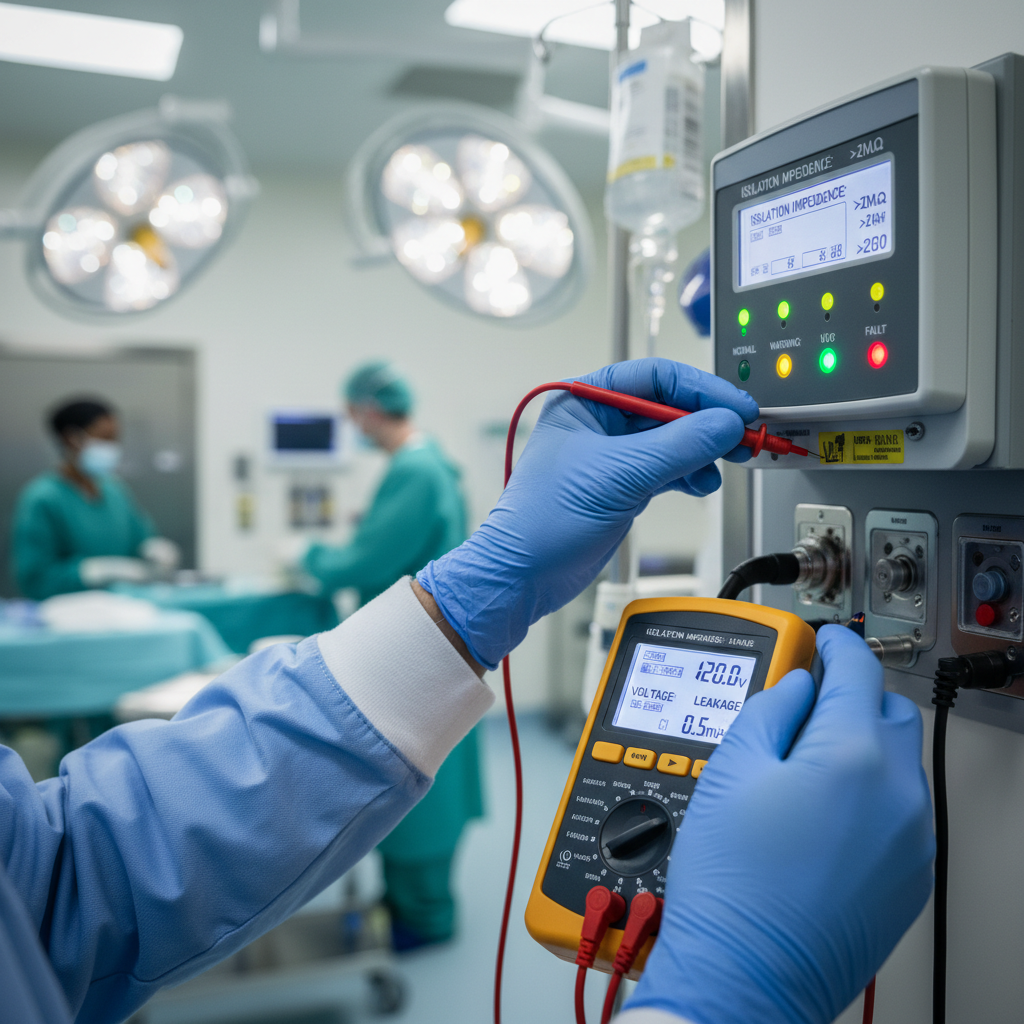
For any hospital or ambulatory surgery center in Kansas City, MO, the electrical safety of operating rooms and other wet procedure locations is paramount. At the heart of this safety infrastructure is the Line Isolation Monitor (LIM). These critical devices are the silent guardians of your isolated power systems, and ensuring they function correctly isn't just a best practice—it's a requirement under NFPA 99, the Health Care Facilities Code. This guide provides a definitive overview of LIM inspection requirements, the testing process, and why partnering with ASSE-certified technicians is crucial for compliance and safety in the Kansas City area.
What is a Line Isolation Monitor (LIM)?
A Line Isolation Monitor is a safety device that continuously monitors the integrity of an isolated power system. These systems are required in "Wet Procedure Locations" as defined by NFPA 99, such as operating rooms, ICUs, and cardiac catheterization labs.
The Role of Isolated Power Systems in Hospitals
In a standard electrical system, power is grounded, meaning there's a direct path for electricity to flow to the earth in the event of a fault. In a hospital's critical care areas, this presents a significant risk. If a patient or staff member, who might be in contact with conductive fluids, simultaneously touches a piece of faulty equipment and a grounded surface, they could complete the circuit, resulting in a life-threatening electrical shock.
Isolated power systems, required by NFPA 99, solve this problem. They use a special isolation transformer to create an "ungrounded" electrical service. In this setup, a single ground fault won't cause a massive flow of current, significantly reducing the risk of macroshock.
How LIMs Protect Patients and Staff
The LIM is the watchdog of this ungrounded system. It constantly measures the potential for current to flow from the isolated conductors to the ground. If it detects a potential fault—that is, if the system is becoming even slightly grounded—it triggers an audible and visual alarm. This alarm does NOT mean the power is shutting off. Instead, it serves as an early warning, alerting staff that a single fault has occurred and the system is now operating in a degraded, "grounded" state. It allows medical procedures to continue safely while maintenance is scheduled to find and fix the fault.
NFPA 99 Requirements for LIM Inspection: What Kansas City Hospitals Must Know
Compliance with NFPA 99 is not optional. Facilities in Kansas City, MO, are subject to inspections from regulatory bodies like the Centers for Medicare & Medicaid Services (CMS) and The Joint Commission (TJC), who use NFPA 99 as their benchmark for electrical safety.
Chapter 6: Electrical Systems Explained
NFPA 99, Chapter 6, "Electrical Systems," is the primary source for requirements related to isolated power. It mandates that LIMs and their associated alarms be tested to ensure they are functioning correctly. The code specifies that the LIM shall be tested after installation and on a periodic basis.
Why This Matters for Compliance: A documented program for periodic LIM testing is a specific requirement that surveyors will look for. Failure to provide records of regular inspections and a clear response plan for alarms can result in a finding of non-compliance, potentially jeopardizing a facility's accreditation and reimbursement.
Testing Frequency and Documentation
NFPA 99 requires that LIM test protocols are established by the healthcare facility. While many modern LIMs include a self-test feature, a periodic, hands-on inspection by a qualified professional is essential to verify the unit's integrity. Medical Testing Solutions recommends a comprehensive annual inspection by an ASSE 6040 certified technician as a best practice.
All test results must be documented and maintained. This documentation should include:
- Date of the test
- The room or area where the LIM is located
- The readings taken
- Whether the device passed or failed
- Any corrective action taken
The LIM Inspection and Testing Process: A Step-by-Step Guide
When an ASSE-certified technician from a company like Medical Testing Solutions performs an inspection, they follow a rigorous, multi-point process. This ensures not just compliance, but true operational safety. While specifics may vary based on the device brand (Bender, PG-LifeLink, etc.), the core procedure includes:
- Visual Inspection: The technician checks the physical integrity of the LIM unit, ensuring it is securely mounted and free from damage.
- Alarm Function Test: The technician will simulate a fault condition to verify that both the audible and visual alarms activate as intended.
- Meter Verification: The LIM’s own milliamperage (mA) meter is checked for accuracy against a calibrated external meter.
- Trip Point Test: This is the most critical step. Using specialized equipment, the technician confirms that the LIM alarms at the correct threshold. Per NFPA 99, the alarm must activate when the total hazard current (a measure of potential leakage) reaches a threshold of 5.0 mA.
Our comprehensive line isolation monitor testing services ensure every aspect of your system is evaluated.
Who Can Perform Line Isolation Monitor Testing? ASSE 6040 Certification Matters
NFPA 99 states that testing shall be performed by personnel "knowledgeable about the operation and testing of the equipment." This is where ASSE 6000 certification becomes critical. A technician holding an ASSE 6040 Medical Gas Systems Maintenance Personnel certification has undergone extensive training and examination on the specific systems found in a medical environment, including isolated power.
Using an uncertified electrician or in-house staff without this specific credential can lead to improper testing and a false sense of security. The technicians at Medical Testing Solutions hold these credentials, ensuring that your facility in Kansas City, MO, receives expert, compliant service. This level of expertise is also crucial for facilities seeking to maintain or obtain their medical gas certification.
Comparing Inspection Protocols
A compliant inspection program goes beyond the bare minimums. Here is how a basic checklist compares to the robust best practices used by leading service providers.
| Feature | NFPA 99 Minimum Requirement | Industry Best Practice (MTS) |
|---|---|---|
| Testing | Tested periodically per facility policy. | At least annually by a qualified ASSE 6040 technician. |
| Function Test | Verify that alarms work. | Simulate faults to test both audible and visual alarms at the unit and remote stations. |
| Trip Point | Must alarm at 5.0mA. | Test and document the precise mA trip point using calibrated equipment. |
| Documentation | Written record kept on file. | Detailed digital report with pass/fail status, specific readings, and recommendations. |
| Scope | Focus on the LIM unit itself. | Inspection is often part of a broader annual medical gas inspection to ensure holistic system safety. |
Serving Kansas City and Beyond: Nationwide Capabilities
While headquartered in Fort Lauderdale, Florida, Medical Testing Solutions provides service to healthcare facilities across the country, including the Kansas City, Missouri metropolitan area. Our nationwide network of ASSE-certified technicians ensures that you get qualified, local-level service with the backing of a national leader in medical gas compliance.
Frequently Asked Questions (FAQs)
What is a Line Isolation Monitor?A Line Isolation Monitor (LIM) is a safety device that continuously monitors the ungrounded electrical systems (isolated power systems) used in hospital operating rooms and other wet procedure locations. It provides an alarm if the system develops a ground fault, warning staff of a potential safety risk before it becomes critical.
How often do LIMs need to be tested in Missouri?According to NFPA 99, Line Isolation Monitors must be tested after installation and periodically thereafter. The exact frequency is determined by the healthcare facility's risk assessment and policies. Best practice, followed by Medical Testing Solutions, is a comprehensive manual inspection by an ASSE 6040 certified technician at least once a year.
Who is qualified to perform LIM inspections in Kansas City?LIM inspections should be performed by individuals who are thoroughly knowledgeable and trained on these specific life-safety systems. The gold standard is a technician certified to the ASSE 6000 standard, such as an ASSE 6040 Medical Gas Systems Maintenance Personnel. Their expertise ensures tests are performed correctly and safely.
What does a LIM inspection involve?A proper inspection includes a visual check of the unit, a functional test of its audible and visual alarms, and a quantitative test with specialized equipment to ensure the monitor alarms at the correct milliamp (mA) trip point as defined by NFPA 99 (typically 5.0 mA).
Our LIM is alarming. What should we do?Follow your facility's established emergency procedures. An alarming LIM indicates that the isolated power system has a fault and is now in a degraded state. While it does not mean a power outage is imminent, the underlying issue should be diagnosed and repaired as soon as possible. Contact a qualified service company like MTS at +1 (754) 315-1078 for emergency service.
Ensure Your Facility's Safety and Compliance
Don't leave the safety of your patients and staff to chance. Proper, documented line isolation monitor inspection is a critical component of your facility's electrical safety and compliance program. For healthcare facilities in Kansas City, MO, Medical Testing Solutions offers the expertise and certification required to ensure your isolated power systems are tested accurately and efficiently.
Ready to schedule your LIM inspection or need a quote for our services? Contact our team today. Call us at +1 (754) 315-1078 or request a quote online to ensure your facility is safe, compliant, and ready for your next survey.
This article is provided for educational purposes and reflects industry standards as of publication. Always verify against current NFPA 99, CGA, and AHJ requirements. Medical Testing Solutions is ASSE-certified and ready to help — contact us for facility-specific guidance.
Need Medical Gas Services?
Contact our certified team for inspections, verifications, installations, and more.
Get a Free Quote