Line Isolation Monitor Inspection in Houston TX: Your NFPA 99 Guide
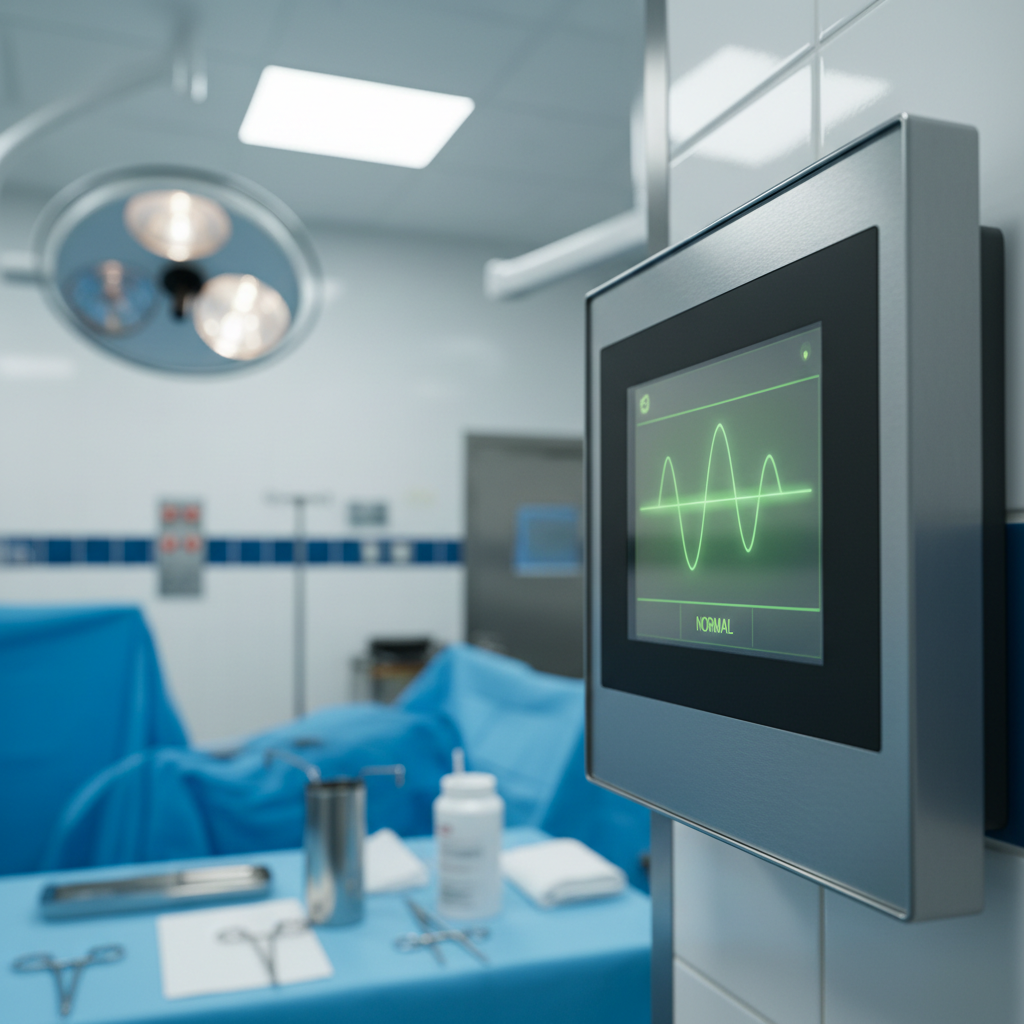
In the high-stakes environment of a hospital operating room or intensive care unit, a stable and safe power supply isn't a luxury—it's a requirement. For "wet procedure locations" in Houston healthcare facilities, the isolated power system and its guardian, the Line Isolation Monitor (LIM), are critical components for protecting patients and staff from electric shock. This guide provides a definitive overview of LIM inspection protocols, NFPA 99 compliance, and how to select a qualified testing partner in Houston. You will learn the core function of LIMs, the specific testing requirements mandated by law, and the steps to ensure your facility remains compliant and safe.
What is a Line Isolation Monitor (LIM)?
A Line Isolation Monitor is a safety device that continuously monitors the integrity of an ungrounded isolated power system. Its sole purpose is to detect and alarm on the first instance of a ground fault, giving staff an advanced warning of a potentially hazardous condition without interrupting power to life-sustaining equipment.
How LIMs Work in Isolated Power Systems
Unlike the standard electrical systems in your home, which are grounded, critical care areas in hospitals use isolated power. This means the system is electrically isolated from the ground. A LIM works by constantly measuring the "total hazard current" (THC), which is the cumulative leakage current from all connected equipment. If the THC exceeds a predetermined, safe threshold (typically 5 milliamperes as set by NFPA 99), the LIM will trigger a visual and audible alarm. This does not trip a breaker; it simply alerts staff to a potential issue that needs to be addressed.
Why They Are Critical in Wet Procedure Locations
Per NFPA 99, Chapter 6 (Electrical Systems), wet procedure locations like operating rooms, cardiac cath labs, and ICUs require isolated power systems. In these environments, the presence of saline, water, and other conductive fluids dramatically increases the risk of electric shock. An isolated power system with a properly functioning LIM is the primary defense against micro-shock and macro-shock hazards, ensuring a single ground fault doesn't lead to a catastrophic failure or patient harm.
NFPA 99 Requirements for LIM Inspection
The National Fire Protection Association (NFPA) 99 Health Care Facilities Code is the gold standard for safety, and its mandates for LIM testing are specific and non-negotiable. Houston hospitals must adhere to these standards to maintain accreditation and ensure patient safety.
Chapter 6: Electrical Systems - Key Mandates
NFPA 99, Section 6.3.3.3.2, outlines the requirements for LIM testing. The code stipulates that each monitor must be tested and documented to prove it functions as designed. This isn't just a recommendation; it's a core component of electrical safety in healthcare.
Why this matters for compliance: Failure to comply with NFPA 99 Chapter 6 can result in citations from regulatory bodies like The Joint Commission, CMS, or local authorities, potentially jeopardizing facility accreditation and patient safety. Proper documentation from a certified provider is your proof of compliance.
Testing Intervals: When and How Often?
According to NFPA 99 (2012 edition and later), LIMs require two types of testing:
- Manual Test: Clinical staff should press the LIM's "test" or "push-to-test" button before the first case of the day in an OR, or monthly in other areas. This verifies the alarm indicators are working.
- Technical Inspection: A qualified technician must perform a comprehensive inspection at least every 12 months, or after any renovation or modification to the isolated power system. This is a much more involved process than the manual test.
For expert-led, compliant testing, many facilities rely on providers offering annual medical gas inspections and electrical system checks.
The LIM Inspection and Testing Process
A proper technical inspection performed by an ASSE-certified technician goes far beyond pushing the test button. It's a systematic process to verify the monitor's accuracy and reliability.
The process includes:- Visual Inspection: Checking the LIM for any physical damage, ensuring it is securely mounted, and verifying all indicators work.
- Functional Test: Using specialized equipment to simulate fault conditions and confirming the LIM alarms at the correct milliampere (mA) threshold.
- Alarm Verification: Ensuring both the audible and visual alarms activate clearly and can be seen and heard in the ambient environment of the room.
- Meter Accuracy Check: Verifying that the LIM’s display accurately reflects the total hazard current.
- Documentation: Providing detailed, audit-ready reports that list the location, date, readings, and pass/fail status for each device. This documentation is essential for proving compliance.
Choosing a Certified LIM Testing Provider in Houston
Not just anyone can or should perform these critical inspections. To ensure compliance and safety, your vendor must have the right credentials and experience.
Must-Have Credentials: ASSE 6040 Certification
NFPA 99 states that inspections must be performed by qualified individuals. In the medical gas and electrical equipment industry, the foremost credential is the ASSE 6040 Medical Gas Systems Maintenance Personnel certification. Technicians with this certification have undergone rigorous training and passed an exam demonstrating their competence. When selecting a provider, always ask for proof of ASSE 6040 certification. Medical Testing Solutions technicians are ASSE-certified to perform these critical tasks.
Experience with Houston-Area Hospitals
Choose a partner familiar with the unique needs and regulatory landscape of the Houston medical community. An experienced provider will understand the logistics of working within large hospital campuses and outpatient centers in the region, minimizing disruption to your operations. Medical Testing Solutions (MTS) has a nationwide dispatch network that includes dedicated service for the entire Houston metropolitan area, from the Texas Medical Center to suburban clinics.
Our core service offering for healthcare facilities is comprehensive line isolation monitor testing, ensuring your facility is always prepared for an audit and, more importantly, always safe for patients.
Common LIM Brands and Models
While the technology's purpose is universal, you will encounter several major brands in Houston facilities. A qualified testing provider will have experience with all of them.
| Brand | Model Series | Key Features | Typical Application |
|---|---|---|---|
| Bender | LIM2010 | Advanced fault detection, history logging | Modern ORs, ICU builds |
| PG LifeLink | Mark V Series | Reliable, industry workhorse, widely installed | General hospital use |
| Schneider Electric | Square D | Often integrated into full power distribution units | New construction, major renovations |
| ControlAssist | LIM-2020i | Remote monitoring capabilities, data logging | Facilities with multiple locations |
FAQs about Line Isolation Monitor Inspection
Q: How often does NFPA 99 require LIMs to be tested?A: NFPA 99-2012 and later editions require a comprehensive technical inspection by a qualified person at least annually, and after any repairs or modifications to the system. Additionally, staff should perform a manual self-test of the unit monthly or before the first procedure of the day.
Q: What is a "wet procedure location"?A: According to NFPA 99, it's a care area where procedures are performed that are normally subject to wetting, such as operating rooms, certain cardiac cath labs, and intensive care units. In these areas, an interruption of power from a standard circuit breaker is unacceptable, and the risk of electric shock is higher.
Q: Can my hospital's maintenance staff perform the LIM inspection?A: Only if they are certified to ASSE 6040 (Medical Gas Maintenance Personnel) and have the proper, calibrated test equipment. For compliance and liability reasons, most hospitals opt to use an unbiased, third-party certified testing agency like Medical Testing Solutions.
Q: What's the difference between an isolated power system and a standard one?A: A standard electrical system is "grounded," providing a direct path for fault current, which trips a breaker. An isolated power system is "ungrounded," which prevents a single fault from completing a circuit. This is a key safety feature that prevents power loss and minimizes shock risk on the first fault, with the LIM providing the necessary alarm.
Q: Why choose MTS for LIM testing in Houston?A: Medical Testing Solutions provides ASSE 6040 certified technicians dispatched nationwide, with dedicated coverage for the Houston, TX, metro area. We offer comprehensive line isolation monitor testing services that are fully compliant with NFPA 99, ensuring your facility is safe and audit-ready.
Your Partner for Compliance and Safety in Houston
Ensuring your Line Isolation Monitors are functioning correctly is a critical task that protects your patients, staff, and facility's accreditation. Don't leave it to chance. Partner with a certified expert who understands the demands of NFPA 99 and the Houston healthcare environment.
Ready to ensure your facility is compliant and your patients are protected? Contact Medical Testing Solutions today at +1 (754) 315-1078 or request a quote online for your line isolation monitor inspection needs.
'''
This article is provided for educational purposes and reflects industry standards as of publication. Always verify against current NFPA 99, CGA, and AHJ requirements. Medical Testing Solutions is ASSE-certified and ready to help — contact us for facility-specific guidance.
Need Medical Gas Services?
Contact our certified team for inspections, verifications, installations, and more.
Get a Free Quote