In the high-stakes environment of a healthcare facility, particularly in operating rooms, ICUs, and other wet procedure locations, electrical safety is not just a best practice, it's a life-saving necessity. At the heart of this electrical safety framework is the Line Isolation Monitor (LIM), a device that constantly guards against the risk of electric shock. For facility managers and healthcare administrators in Doral, Florida, understanding the stringent requirements for LIM inspection is crucial for compliance and, more importantly, for patient safety. This comprehensive guide details the NFPA 99 standards for annual LIM inspections, the testing process, and how to ensure your facility meets these critical mandates.
Medical Gas Service
Compliance & Standards
Line Isolation Monitor Inspection in Doral FL: A Guide to NFPA 99 Compliance
Medical Testing SolutionsJune 25, 20267 min read
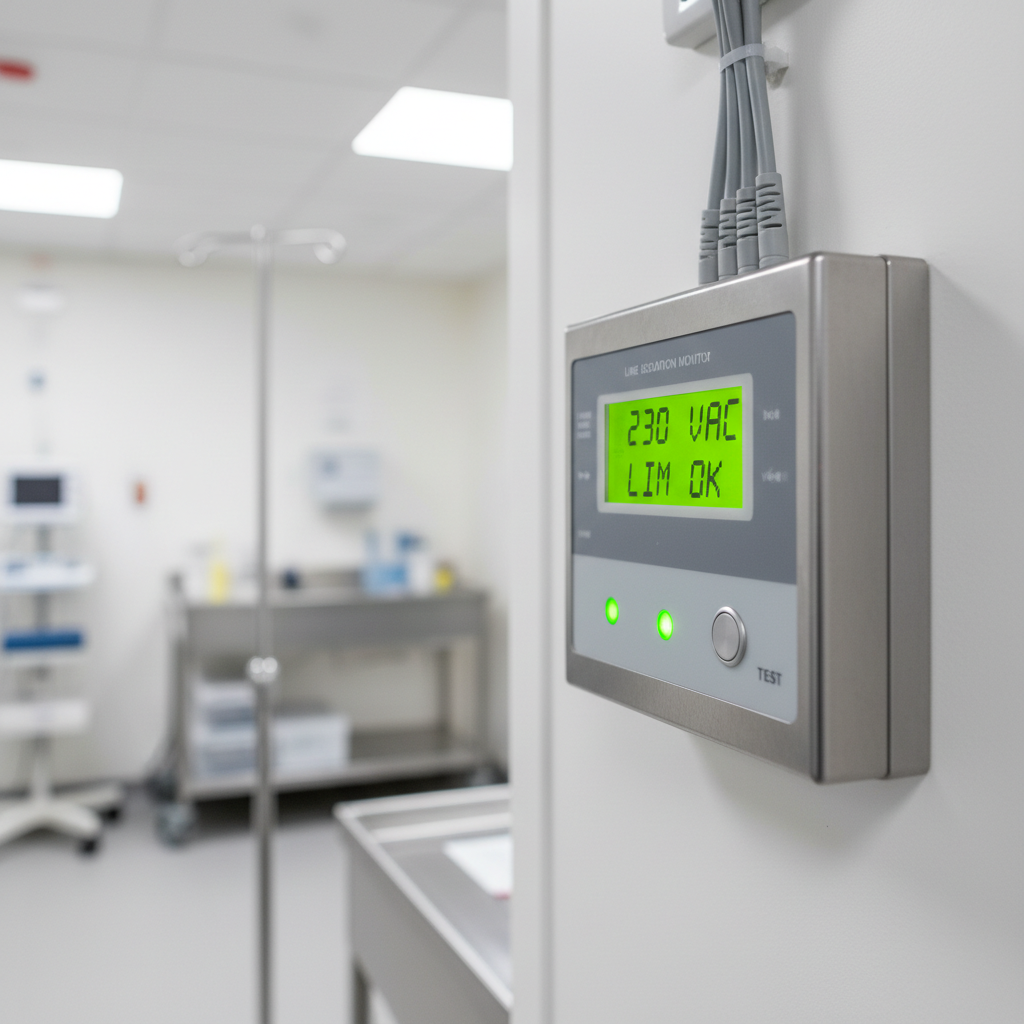
What is a Line Isolation Monitor and Why is it Critical?
A Line Isolation Monitor is the central component of an Isolated Power System (IPS). These specialized electrical systems are mandated by the National Fire Protection Association (NFPA) in any "wet procedure location" within a healthcare facility.
Understanding Isolated Power Systems in Healthcare
Unlike a conventional grounded electrical system found in homes and offices, an isolated power system has no direct connection to the ground. It uses an isolation transformer to create an ungrounded electrical service. This design is critical in environments where patients may be connected to multiple electrical devices and are particularly vulnerable to electric shock (micro-shock). If a ground fault were to occur in a standard system, a significant current could flow through a patient, with potentially lethal consequences. In an isolated system, the first ground fault does not create a hazardous condition; instead, it simply turns the system into a standard grounded system, and the LIM provides an alarm to alert staff that a fault has occurred.
The Role of the LIM in Preventing Electric Shock
The Line Isolation Monitor's job is to continuously measure the potential for current leakage from the isolated conductors to the ground. It predicts the amount of current that would flow if a second ground fault occurred. If this potential leakage current, known as the Total Hazard Current (THC), exceeds a predetermined threshold (typically 5 milliamperes for operating rooms, per NFPA 99), the LIM will trigger both an audible and a visual alarm. This alarm does not shut off the power, which could be catastrophic during a medical procedure, but rather warns the clinical staff and facility engineers that the system's safety has been compromised and requires immediate attention.
NFPA 99 Requirements for Line Isolation Monitor Testing
The cornerstone of compliance for LIMs is NFPA 99, the Health Care Facilities Code. This code provides the definitive standards for the installation, performance, and maintenance of electrical systems in healthcare settings.
Chapter 6: Electrical Systems Explained
Chapter 6 of NFPA 99 is dedicated to electrical systems and is the primary source for LIM requirements. It mandates that all Line Isolation Monitors be tested and documented to ensure they are functioning within specified parameters. The code is explicit about the frequency and nature of these tests.
Why This Matters for Compliance: Failure to perform and document annual LIM inspections is a direct violation of NFPA 99 and can result in citations from accrediting organizations like The Joint Commission (TJC) or DNV. These citations can jeopardize a facility's accreditation status and ability to operate.
Annual Inspection Mandates
According to NFPA 99 (2018 Edition), Section 6.3.3.3.2, Line Isolation Monitors must be tested at regular intervals. It states that LIM test switches shall be tested "at intervals of not more than 1 month" by actuating the switch. More critically, Section 6.3.4.1.4 requires that the LIM circuit be tested "after installation, and on a periodic basis of not more than 12 months" by a qualified individual. This annual inspection is a comprehensive evaluation of the monitor's performance.
For facilities in Doral and across South Florida, partnering with an ASSE-certified company like Medical Testing Solutions ensures that these annual inspections are conducted accurately and in full compliance with the code. Our deep expertise in Line Isolation Monitor Testing provides peace of mind that your facility is safe and survey-ready.
The Annual LIM Inspection Process: A Step-by-Step Overview
A proper annual LIM inspection is a meticulous process performed by a certified technician. It goes far beyond simply pressing the "test" button on the unit.
- Visual Inspection: The technician inspects the physical condition of the LIM unit, its wiring, and connections for any signs of damage, wear, or corrosion.
- Functional Testing: Using specialized test equipment, the technician simulates various fault conditions to verify that the LIM accurately measures hazard current and alarms at the correct NFPA-mandated setpoint (e.g., 5.0 mA for operating rooms).
- Alarm Verification: The inspection confirms that both the audible and visual alarms on the LIM unit activate when the hazard current threshold is exceeded. The remote alarm indicators located at nursing stations or other strategic points are also tested to ensure they function correctly.
- Documentation and Reporting: Every step of the inspection, including all measurements and test results, is meticulously documented. The final report provides clear evidence of compliance for auditors and accrediting bodies. This documentation is critical for proving your facility's adherence to annual medical gas inspections and electrical safety protocols.
Common Causes of LIM Alarms and Failures
When a LIM alarms or fails an inspection, it's a sign that the safety of the isolated power system is compromised. Common culprits include:
- Faulty Equipment: Medical devices plugged into the system that have internal ground faults.
- Accumulated Leakage: Multiple pieces of equipment, each with a small, acceptable leakage current, can combine to exceed the LIM's threshold.
- Aging Infrastructure: Deterioration of wiring insulation or receptacle integrity over time.
- Moisture Intrusion: Fluids entering outlets or equipment can create a path to ground.
An experienced provider like Medical Testing Solutions can not only test your LIMs but also help diagnose the root cause of persistent alarm conditions.
Choosing a Certified Partner for LIM Inspections in Doral, FL
Not just anyone is qualified to test and certify these life-safety systems. The complexity of isolated power systems and the gravity of their purpose demand a high level of expertise.
The Importance of ASSE 6000 Certification
The American Society of Sanitary Engineering (ASSE) 6000 series provides professional qualifications standards for medical gas and vacuum system personnel. An ASSE 6030 certified Medical Gas Verifier is trained and qualified to perform inspections and testing on a wide range of medical gas and related electrical systems, including LIMs. Insisting on ASSE certification ensures that the technician understands the intricate requirements of NFPA 99. Learn more about the importance of medical gas certification for your facility's safety.
Comparing Line Isolation Monitor Brands
While all compliant LIMs perform the same basic function, different manufacturers offer various features. When installing new systems or replacing old monitors, it's helpful to compare the options.
| Feature | Bender LIM2010 | Schneider Electric (Square D) | Post Glover Resi-Test | Notes |
|---|---|---|---|---|
| Display Type | LCD Digital | LED Digital | Analog Meter or Digital | Digital displays offer higher precision. |
| Alarm Setpoint | Adjustable (often 2-5 mA) | Fixed or Adjustable | Fixed or Adjustable | Must be set per NFPA 99 requirements for the location. |
| Communication | Modbus, Ethernet | Modbus | Basic Relay Contacts | Advanced communication allows for integration with Building Management Systems (BMS). |
| Data Logging | Yes (event history) | Varies by model | No | Event logging is invaluable for troubleshooting intermittent faults. |
| Self-Test | Automatic / Manual | Manual | Manual | Automatic self-testing features can reduce some manual checks. |
Beyond Annual Inspections: Comprehensive Electrical Safety
Annual LIM testing is just one part of a comprehensive electrical safety and medical gas maintenance services program. Proactive facilities in Doral should also consider regular preventative maintenance of their isolated power panels, receptacle testing, and staff training on how to respond to a LIM alarm. A robust asset management program ensures that all equipment is tracked, tested, and replaced before it becomes a hazard.
Medical Testing Solutions is a full-service partner, offering everything from ASSE 6010 certified installations to ongoing maintenance and verification. We help Doral-area healthcare facilities move from a reactive to a proactive compliance model.
Frequently Asked Questions
A Line Isolation Monitor (LIM) is a safety device required by NFPA 99 in "wet procedure locations" like operating rooms and ICUs. It continuously monitors the isolated power system for ground faults, providing an alert if the system becomes compromised, which helps protect patients and staff from electric shock.
According to NFPA 99, Chapter 6, LIMs must be tested and inspected annually. Facilities in Doral, FL must adhere to this standard. Regular testing by a certified professional, like those at Medical Testing Solutions, ensures the device functions correctly.
LIM testing must be performed by qualified personnel who understand the equipment and the NFPA 99 code. ASSE 6000 series certified technicians, such as the team at Medical Testing Solutions, are trained to inspect, test, and maintain these critical life-safety systems.
If a Line Isolation Monitor fails inspection, it indicates a potential hazard in the electrical system. The issue must be investigated and repaired immediately by a qualified technician to ensure the safety of the isolated power system before the area is used for patient care.
Isolated power systems are used in critical care areas where electrical shock hazards are most severe. They provide an ungrounded electrical service that protects against macro-shock and micro-shock, which can be fatal to electrically-susceptible patients connected to medical equipment.
Request a quote for your facility
Talk with Medical Testing Solutions about your next inspection, repair or equipment request.