Line Isolation Monitor Inspection in Denver, CO: NFPA 99 Compliance
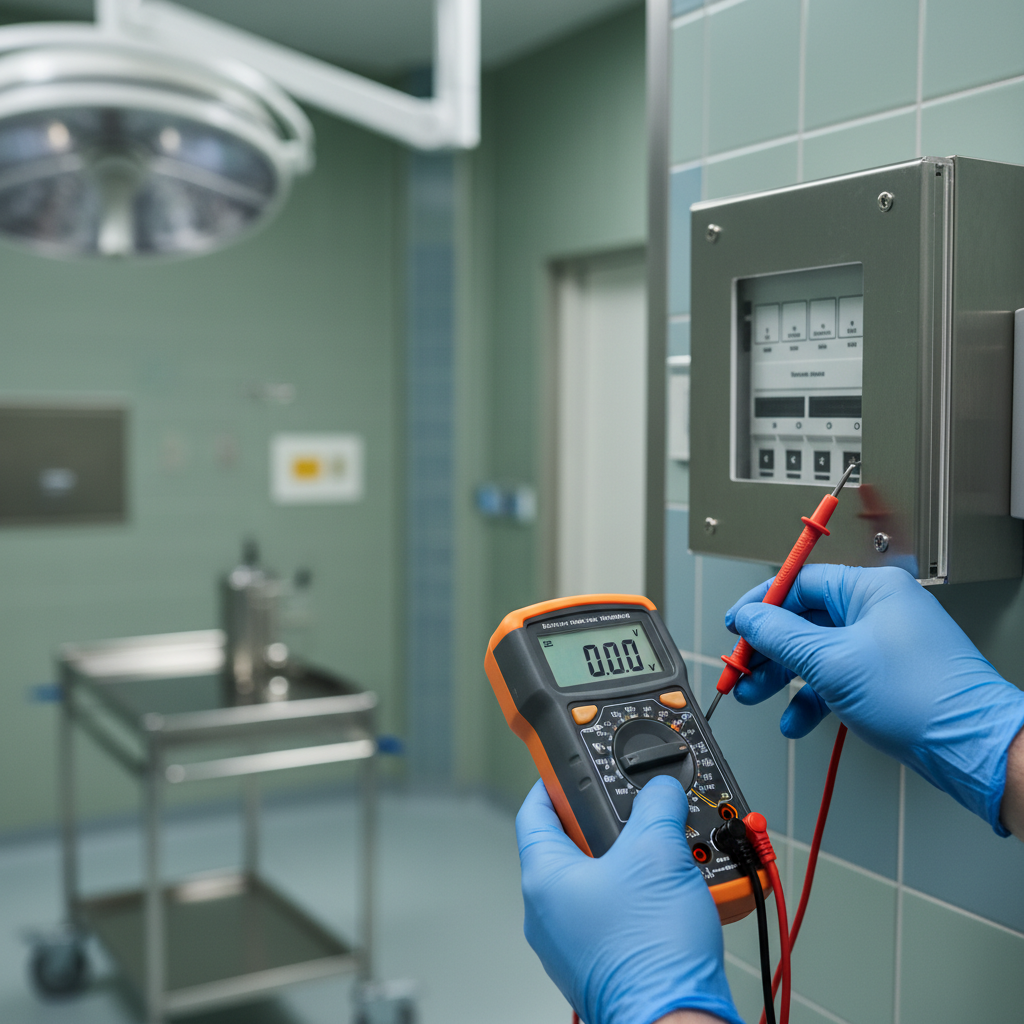
In any hospital, but especially in critical care environments like operating rooms and ICUs, patient safety is paramount. An often-overlooked component of electrical safety is the isolated power system and its guardian: the Line Isolation Monitor (LIM). For healthcare facilities in Denver, ensuring these systems are functioning correctly isn't just a best practice; it's a requirement under NFPA 99. This guide provides a definitive look at the requirements for a line isolation monitor inspection in Denver, CO, explaining the process, the standards, and how to ensure your facility remains compliant and safe.
What is a Line Isolation Monitor and Why is it Critical?
A Line Isolation Monitor is a device that continuously monitors the integrity of an ungrounded Isolated Power System (IPS). It provides an audible and visual alarm if the electrical isolation from ground is compromised, warning medical staff of a potential electrical hazard before it can cause harm.
Defining the Isolated Power System (IPS)
Unlike conventional grounded power systems found in homes and offices, hospitals use Isolated Power Systems in "wet procedure locations." An IPS uses an isolation transformer to create a power supply that is not referenced to ground. This means that a person touching a single live conductor and ground simultaneously will not receive a dangerous electrical shock, as there is no path for the current to flow through them to ground. This is essential in an operating room where staff are using electrical equipment in the presence of saline, blood, and other conductive fluids.
The Role of the LIM in Patient and Staff Safety
The LIM is the watchdog of the IPS. It constantly measures the "total hazard current" (THC), which is the cumulative leakage current from all the equipment plugged into the isolated power panel. If this current reaches a pre-set threshold—typically 5.0 milliamperes (mA) as mandated by NFPA 99—the LIM will alarm. This alarm doesn't shut off the power, which could be catastrophic during a procedure. Instead, it signals to the clinical staff that a potential fault exists, allowing them to manage the situation and call for biomedical or facilities personnel.
Wet Procedure Locations and Electrical Shock Risk
NFPA 99 defines a "wet procedure location" as an area where procedures are performed that are normally subject to wet conditions while patients are present. This includes most operating rooms, cardiac catheterization labs, and some intensive care units. In these areas, the risk of micro-shock—a low-level current applied directly to the heart—and macro-shock is significantly higher. The combination of an IPS and a properly functioning LIM is the primary defense against this risk.
NFPA 99 Requirements for LIM Testing and Inspection
The National Fire Protection Association's standard, NFPA 99, Health Care Facilities Code, is the guiding document for electrical safety in hospitals. It sets clear, enforceable standards for LIM testing.
Why this matters for compliance: Per NFPA 99 (2021 ed.), Chapter 6, the LIM must alarm when the total hazard current reaches a threshold of 5.0 mA. A non-functional or improperly calibrated monitor can mask dangerous conditions, putting your facility at risk for citations from authorities like The Joint Commission and, more importantly, endangering lives in critical care areas.
Chapter 6: Electrical Systems Explained
Chapter 6 of NFPA 99 details the requirements for all electrical systems in a healthcare facility. It explicitly mandates the use of Isolated Power Systems in all operating rooms and any other locations designated as wet procedure locations. It also specifies the performance and testing criteria for the Line Isolation Monitors that protect these systems. Regular, documented testing is not optional.
Minimum Test Frequency
According to NFPA 99, LIMs must be tested at regular intervals to ensure they are operational and accurate. The minimum requirements include:
- After installation: A new LIM must be tested and certified before it is put into service.
- After any repairs or alterations: If the LIM or any part of the IPS is modified, it must be re-tested.
- Annually: At a minimum, every LIM must be tested at least every 12 months. Some facility protocols may require more frequent testing.
For a complete overview of facility requirements, see our guide on annual medical gas inspections.
The Step-by-Step LIM Inspection Process in Denver
When our Medical Testing Solutions technicians arrive on-site in Denver to perform an inspection, they follow a rigorous, documented procedure to ensure full compliance and safety. The key steps are outlined in our Line Isolation Monitor Testing services.
- Documentation Review: The process begins by reviewing the facility's records, previous inspection reports, and schematics for the isolated power panels.
- Visual and Physical Inspection: The technician physically inspects the LIM unit, the isolated power panel it's connected to, and all visible wiring for any signs of damage, wear, or improper installation.
- Alarm Indicator Test: The "test" or "push-to-test" button on the LIM unit is activated. This simulates a fault condition and should trigger both the audible and visual alarms on the panel.
- Meter Accuracy Test: The technician uses specialized test equipment to verify the accuracy of the LIM's hazard current meter. The reading on the meter is compared to the calibrated output of the test instrument.
- Alarm Trip Point Test: Using a variable resistance load, the technician determines the exact hazard current level at which the LIM alarm activates. This must be at or before the 5.0 mA NFPA 99 threshold.
- Comprehensive Reporting: All findings, measurements, and pass/fail results are documented in a detailed report, which serves as the official record for compliance purposes.
Choosing a Qualified LIM Testing Provider in Denver, CO
Not just anyone can perform a LIM inspection. Due to the critical nature of these systems, the work must be done by a qualified and certified professional.
The Importance of ASSE 6030 Certification
The American Society of Sanitary Engineering (ASSE) provides the Series 6000 standard for medical gas systems personnel. An ASSE 6030 Medical Gas Systems Verifier credential is the gold standard, indicating an individual has passed a rigorous exam and has the expertise to test and verify complex medical gas and related electrical systems, including LIMs. Insisting on ASSE 6030 certification ensures the job is done right.
When vetting a provider, ask them to show proof of their medical gas certification. It is your best guarantee of competence. Medical Testing Solutions provides ASSE-certified technicians for all service calls, from Denver to our headquarters in Florida and nationwide.
LIM Brands vs. Inspection Requirements
While several manufacturers produce high-quality Line Isolation Monitors, the inspection and testing standards are universal. The requirements of NFPA 99 apply equally, regardless of the brand installed in your facility.
| Feature / Spec | Bender LIM2010 | PG LifeLink | Schneider Electric (Square D) | NFPA 99 Requirement |
|---|---|---|---|---|
| Alarm Threshold | Adjustable (Set to 5 mA) | Adjustable (Set to 5 mA) | Adjustable (Set to 5 mA) | 5.0 mA |
| Self-Test | Yes | Yes | Yes | Not specified, but a best practice |
| Communication | Networkable | Networkable | Varies | Not specified |
| Inspection Standard | NFPA 99 | NFPA 99 | NFPA 99 | Universal |
Beyond Inspection: LIM System Maintenance and Repair
If a Line Isolation Monitor fails inspection, it must be addressed immediately. A failed test could be due to the monitor itself, faulty wiring, or a piece of medical equipment with high leakage current. Our technicians are trained to diagnose the root cause of the fault. Should the LIM unit need repair or replacement, it's crucial to use a provider who understands these systems. Medical Testing Solutions offers comprehensive medical gas maintenance services, ensuring that any issues found during an inspection can be resolved quickly and correctly.
Frequently Asked Questions (FAQs) about Line Isolation Monitors
What is a Line Isolation Monitor (LIM)?A LIM is a safety device that continuously monitors the electrical integrity of an isolated power system, which is used in hospital operating rooms and other wet procedure locations. It alarms if a potential electrical shock hazard exists.
How often do LIMs need to be tested according to NFPA 99?Per NFPA 99, LIMs must be tested at least once every 12 months, as well as after installation or any system modification. This ensures they are functioning correctly and will alarm at the proper threshold.
Who is qualified to perform LIM inspections?LIM inspections must be performed by qualified individuals with specific training on isolated power systems. The ASSE 6030 Medical Gas Systems Verifier certification is a key indicator of a technician's qualification.
What happens if a LIM fails inspection?If a LIM fails, the root cause must be identified. The issue could be the monitor itself, connected equipment, or the system wiring. The faulty component must be repaired or replaced, and the system re-tested to ensure it is safe and compliant.
Why are LIMs required in "wet procedure locations"?In wet locations, the risk of a patient or staff member coming into contact with liquids and electricity is high. An isolated power system prevents a single point of contact from causing a dangerous shock, and the LIM provides the essential warning if that protection is compromised.
Your Partner for Compliance and Safety in Denver
Ensuring your facility's Line Isolation Monitors are functioning correctly is a non-negotiable aspect of patient and staff safety. It is also a critical component of regulatory compliance. The complexity of these systems and the stringency of NFPA 99 standards demand expert attention.
Ensure your Denver-area hospital or surgery center is compliant and safe. Contact Medical Testing Solutions today for a comprehensive line isolation monitor inspection performed by ASSE-certified experts. Call us at +1 (754) 315-1078 or request a quote online to schedule your service.
'''
This article is provided for educational purposes and reflects industry standards as of publication. Always verify against current NFPA 99, CGA, and AHJ requirements. Medical Testing Solutions is ASSE-certified and ready to help — contact us for facility-specific guidance.
Need Medical Gas Services?
Contact our certified team for inspections, verifications, installations, and more.
Get a Free Quote