Line Isolation Monitor Inspection in Dallas TX: A Guide to NFPA 99 Compliance
Medical Testing SolutionsJune 25, 20263 min read
Share
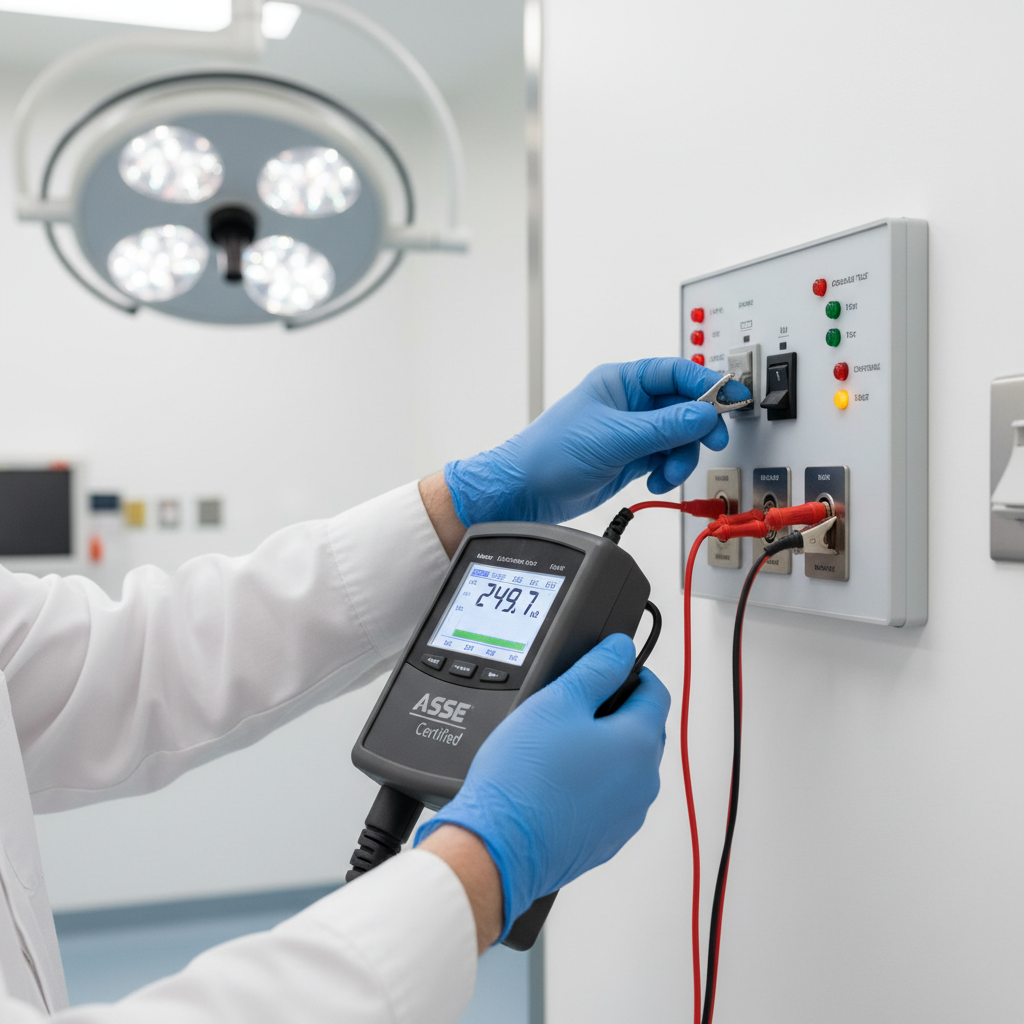
In the high-stakes environment of a hospital operating room or intensive care unit, the constant hum of medical equipment is the sound of life support. But each device, from the surgical tools to the patient monitors, introduces a potential electrical hazard. In "wet procedure locations" where liquids are present, the risk of electric shock is significantly higher. This is why isolated power systems, and their diligent sentinels, Line Isolation Monitors (LIMs), are not just a good idea; they are a requirement mandated by law. For hospital facility managers in Dallas, TX, ensuring these systems are functioning perfectly is a critical responsibility. This definitive guide explains the entire process of line isolation monitor inspection in Dallas TX, detailing the NFPA 99 requirements, the testing procedure, and how to ensure your facility is both safe and compliant.
This article will cover:
The function of Line Isolation Monitors and Isolated Power Systems.
Specific NFPA 99 and ASSE 6000 standards governing LIM testing.
A step-by-step overview of the professional inspection process.
Common causes of LIM failures and alarms.
How to choose a certified partner for testing services in the Dallas-Fort Worth area.
What is a Line Isolation Monitor (LIM)?
A Line Isolation Monitor is a safety device that continuously monitors the integrity of an Isolated Power System. It doesn't supply power itself but acts as a watchdog. Its sole purpose is to detect and alarm on the very first instance of an electrical ground fault, giving clinical staff an advanced warning of a potential shock hazard before a dangerous situation can develop. This allows procedures to conclude safely while the issue is addressed.
The Role of Isolated Power Systems in Healthcare
To understand the LIM, you must first understand the Isolated Power System. Unlike the conventional grounded power you have in your home, which uses a direct connection to the earth as a safety path, isolated systems are ungrounded. They are required by the National Electrical Code® (NEC) and NFPA 99 in all "wet procedure locations."
In a typical grounded system, if a person comes into contact with a live wire and a grounded surface, their body completes the circuit, resulting in a severe shock. In an isolated system, the same scenario would not result in a dangerous shock because there is no direct path to the ground. The LIM continuously measures the "leakage current" from this isolated system to the ground, ensuring its integrity.
How LIMs Protect Patients and Staff in Wet Locations
In an operating room, the combination of conductive fluids (saline, blood), a patient on a conductive operating table, and numerous pieces of electrical equipment creates a high-risk environment. The LIM is the first line of defense. If a piece of equipment malfunctions and creates a small leak of current to the ground (a ground fault), the LIM’s gauge will show the total hazard current and, if it exceeds a predetermined threshold (typically 5 milliamperes for ORs), an audible and visual alarm will activate. This warns the clinical staff to identify and remove the faulty device without causing a power outage or a life-threatening electrical shock.
NFPA 99 Requirements for LIM Inspection in Dallas, TX
Compliance with National Fire Protection Association (NFPA) standards is non-negotiable for healthcare facilities. NFPA 99, titled "Health Care Facilities Code," is the primary document outlining safety requirements for medical buildings, including electrical systems.
For LIMs, NFPA 99, Chapter 6, "Electrical Systems," is the governing text. Specifically, section 6.3.3.3.2 mandates that Line Isolation Monitors be tested regularly.
After Installation: Every new LIM must be tested to ensure it is functioning correctly before the area is put into service.
Periodic Intervals: The code requires ongoing testing at "regular intervals." While the code doesn
Frequently Asked Questions
NFPA 99 requires LIMs to be tested after installation and at "regular intervals." Most hospitals in the Dallas area incorporate this into their comprehensive annual inspections to ensure compliance and patient safety.
They are required in all "wet procedure locations" as defined by NFPA 99. This typically includes operating rooms, cardiac catheterization labs, delivery rooms, and some intensive care units (ICUs).
A LIM alarm indicates a potential ground fault in the isolated power system or a piece of equipment plugged into it. It's an early warning that the system's integrity may be compromised, giving staff time to safely address the issue.
Yes, provided they are properly trained, qualified, and ideally ASSE 6040 certified for maintenance. However, many Dallas facilities choose a certified third-party like Medical Testing Solutions for guaranteed expertise, unbiased reporting, and reduced liability. You can learn more about available [certification programs](/medical-gas-certification).
Yes. While we have a strong presence in the Dallas-Fort Worth area, Medical Testing Solutions provides ASSE-certified medical gas services, including [line isolation monitor testing services](/medical-gas-testing-and-service/line-isolation-monitor-testing), to healthcare facilities nationwide.
An isolated power system is an ungrounded electrical system designed to increase electrical safety and prevent power interruption in critical patient care areas. The line isolation monitor is a key safety component of this system.
Request a quote for your facility
Talk with Medical Testing Solutions about your next inspection, repair or equipment request.