Line Isolation Monitor Inspection in Cincinnati OH: NFPA 99 Compliance
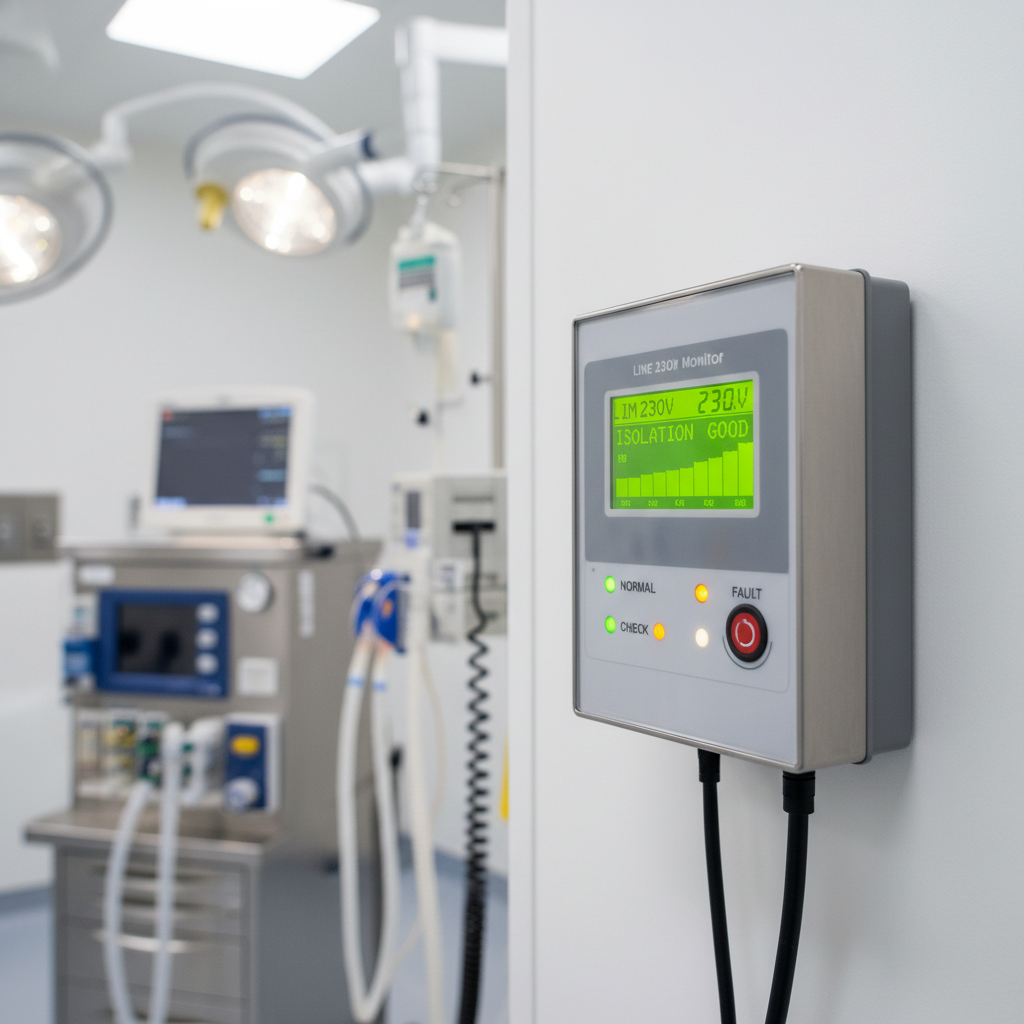
In the high-stakes environment of a Cincinnati hospital, particularly in operating rooms and intensive care units, patient safety is paramount. While medical gas systems are a well-known focus, the electrical systems that power life-saving equipment are just as critical. This is where Line Isolation Monitors (LIMs) come in. A LIM is a crucial safety device for any isolated power system, mandated by NFPA 99 in all "wet procedure locations." This guide provides a definitive overview of line isolation monitor inspection for Cincinnati facilities, covering NFPA 99 requirements, the inspection process, and how to partner with certified professionals to ensure unwavering compliance and safety.
What is a Line Isolation Monitor (LIM)?
A Line Isolation Monitor is a predictive device that constantly monitors the isolated power system in critical care areas for potential electrical ground faults. Unlike a standard circuit breaker or GFCI that cuts power after a fault occurs—a dangerous event during a surgical procedure—a LIM provides an early warning. It alerts staff to the first fault, allowing them to address the issue without an immediate, life-threatening loss of power to essential equipment like heart-lung machines, anesthesia ventilators, or patient monitors. It is the core safety component of an ungrounded electrical system designed to protect both patients and clinicians from electric shock.
Why is LIM Inspection Critical for Cincinnati Hospitals?
For any healthcare facility in Cincinnati, OH, from a major hospital operating room to a standalone surgical center, regular and thorough LIM inspection is not just a best practice; it is a mandatory requirement. The primary reasons are:
- Patient Safety: To prevent micro-shock and macro-shock hazards for patients, who may be more susceptible to electrical injury during invasive procedures.
- Staff Safety: To protect surgeons, nurses, and technicians who are in constant contact with electrical equipment in a potentially wet environment.
- NFPA 99 Compliance: The National Fire Protection Association's Health Care Facilities Code (NFPA 99) explicitly mandates the installation and routine testing of LIMs in all wet procedure locations. Non-compliance can result in significant penalties and loss of accreditation.
- Equipment Reliability: Proactive monitoring prevents unexpected power interruptions to life-sustaining equipment during critical moments.
NFPA 99 Requirements for LIM Testing
NFPA 99, Chapter 6 ("Electrical Systems") outlines the specific testing frequency and documentation required for LIMs. Facilities must adhere to these standards to remain compliant.
- Monthly Testing: After a LIM and its associated alarms are installed, they must be tested at intervals of not more than one month. This test can typically be performed by designated facility staff by pressing the "test" or "push-to-test" button on the LIM unit to verify the visual and audible alarms are functional.
- Annual Inspection: A more comprehensive inspection must be conducted annually by a qualified technician, such as an ASSE 6040 Certified Medical Gas Verifier. This involves verifying the LIM's trip point accuracy and ensuring it alarms at the correct leakage current threshold as specified by the standard. Proper documentation of these annual medical gas inspections is essential for audits.
Why this matters for compliance: Failure to perform and document monthly and annual LIM tests is a direct violation of NFPA 99, Chapter 6. This can lead to citations by accrediting bodies like The Joint Commission, loss of accreditation, and most importantly, compromised patient safety.
The Line Isolation Monitor Inspection Process
A proper annual inspection by a certified professional goes beyond a simple button push. While the exact procedure may vary slightly by manufacturer, a qualified inspection from a company like Medical Testing Solutions includes:
- Visual Inspection: Checking the physical condition of the LIM unit, wiring, and alarm indicators.
- Functional Test: Activating the test button to confirm that both the amber and red lights (indicating different levels of fault) and the audible alarm function correctly.
- Trip Point Verification: Using specialized equipment to simulate various levels of leakage current to verify the LIM alarms at the precise mA trip points defined by NFPA 99.
- Alarm Relay Verification: Ensuring the LIM sends a signal to the required remote alarm panels (e.g., at the nurse's station) so that alerts are never missed.
- Documentation: Recording all test results, pass/fail status, and any corrective actions taken. This documentation is critical for compliance audits.
Common LIM Brands and Specifications
Several manufacturers produce reliable LIMs for the healthcare market. While all must meet NFPA 99 standards, they have different features. Choosing the right partner for line isolation monitor testing means choosing a team familiar with all major brands.
| Feature | Bender | Post Glover (PG Life) | Schneider Electric | Control Bionics |
|---|---|---|---|---|
| Standard Trip | 5 mA | 5 mA | 5 mA | 5 mA |
| Self-Test | Automatic/Manual | Manual | Manual | Automatic |
| Communication | Modbus, Ethernet | Modbus | Modbus | Modbus, BACnet |
| Remote Annunciator | Yes | Yes | Yes | Yes |
| Certifications | UL 1022, IEC | UL 1022 | UL 1022 | UL 1022 |
Choosing a Certified Provider for LIM Inspection in Cincinnati, OH
When selecting a partner for LIM inspections, credentials matter. You need a provider with a deep understanding of NFPA codes and ASSE standards. Look for a company that employs certified technicians holding ASSE 6030 (Medical Gas Verifier) or ASSE 6040 (Medical Gas Systems Maintenance) credentials.
Medical Testing Solutions is a premier provider of medical gas and electrical safety services, including expert LIM inspections, for facilities in Cincinnati and nationwide. Our ASSE-certified technicians are dispatched from our headquarters to ensure your ORs, ICUs, and wet locations are safe, compliant, and always ready for patient care. We provide the meticulous testing and detailed documentation required to meet and exceed regulatory standards.Beyond the Inspection: Maintenance and Repair
An inspection that reveals a fault is only half the battle. If a LIM fails its test, it requires immediate attention. A qualified service provider can troubleshoot the system to determine if the fault lies with the monitor itself or a piece of equipment plugged into the isolated power panel. The team at Medical Testing Solutions is equipped not just for testing but also for medical gas verification and system maintenance, providing a complete, single-source solution for your facility’s compliance needs.
Get Your Cincinnati Facility Inspected
Ensuring the integrity of your isolated power systems is a non-negotiable aspect of patient care. Don't leave the safety of your Cincinnati-area patients and staff to chance. Partner with a certified and experienced leader in medical facility compliance.
Contact Medical Testing Solutions today to schedule your comprehensive Line Isolation Monitor inspection. Call us at +1 (754) 315-1078 or request a quote online to ensure your facility is safe and compliant.
FAQs about Line Isolation Monitor Inspection
How often do Line Isolation Monitors need to be tested?Per NFPA 99, LIMs must be tested and documented monthly by staff, with a more detailed annual inspection by a qualified, ASSE-certified technician.
What happens if a LIM fails inspection?If a LIM fails, it must be immediately investigated and repaired or replaced by a qualified technician. The isolated power system it monitors should not be used for patient care until the issue is resolved to ensure electrical safety.
Who can perform LIM inspections in Cincinnati, OH?LIM inspections must be performed by ASSE 6040 certified Medical Gas Verifiers or other qualified technicians with specific training on isolated power systems, like the team at Medical Testing Solutions.
What is the difference between a LIM and a GFCI?A LIM is a predictive device that monitors for potential ground faults in an isolated power system and alarms before a dangerous condition exists, without interrupting power. A GFCI is a reactive device that interrupts power after detecting an active ground fault, which is not acceptable in life-support areas.
Does this apply to wet locations in hospitals?Yes, NFPA 99 mandates the use of isolated power systems, monitored by LIMs, in all 'wet procedure locations' like operating rooms, ICUs, and cardiac cath labs to protect patients and staff from electric shock.
'''
This article is provided for educational purposes and reflects industry standards as of publication. Always verify against current NFPA 99, CGA, and AHJ requirements. Medical Testing Solutions is ASSE-certified and ready to help — contact us for facility-specific guidance.
Need Medical Gas Services?
Contact our certified team for inspections, verifications, installations, and more.
Get a Free Quote