Line Isolation Monitor Inspection Charlotte NC: NFPA 99 Compliance Guide
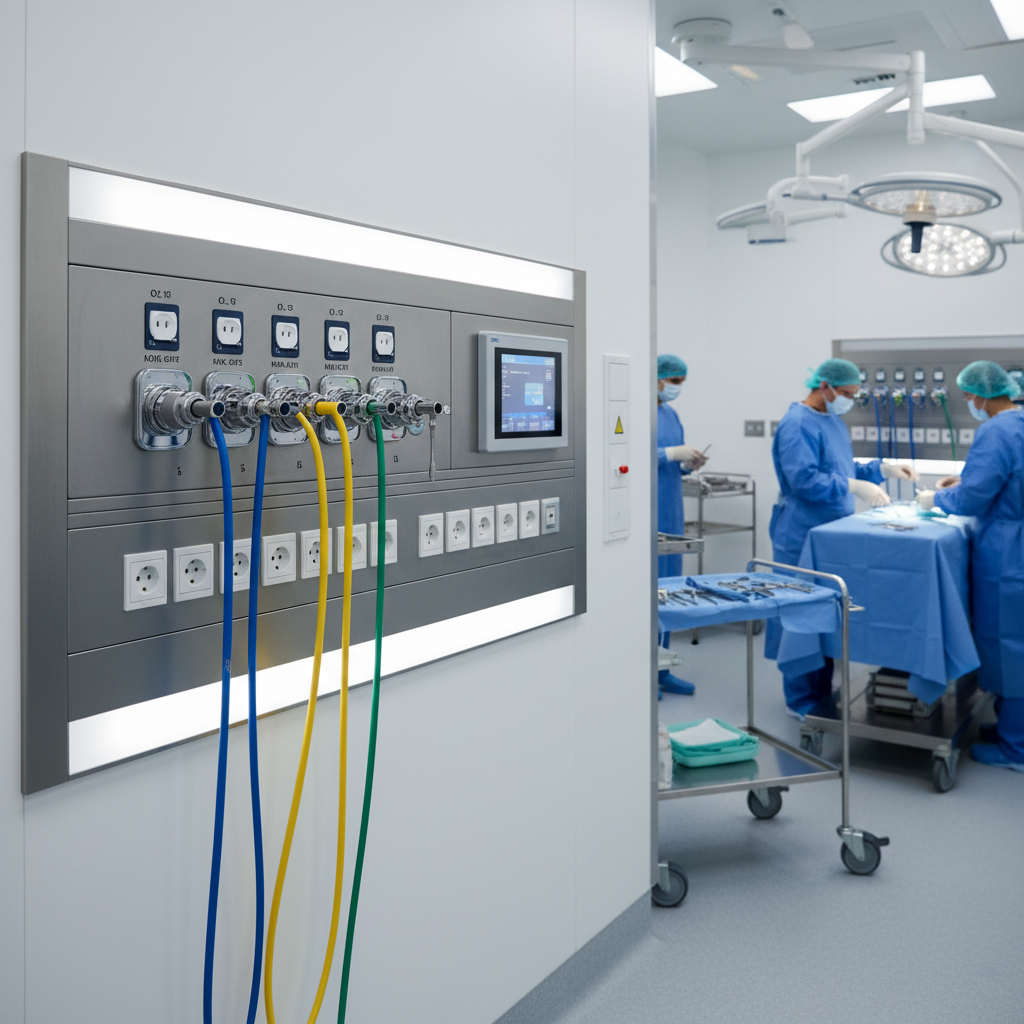
In the high-stakes environment of a modern hospital, particularly in operating rooms and intensive care units, patient safety is paramount. For healthcare facilities in Charlotte, ensuring the operational integrity of electrical systems in "wet procedure locations" is not just a best practice—it's a requirement under NFPA 99. This is where Line Isolation Monitors (LIMs) play a critical role. This guide provides a definitive overview of LIMs, the mandatory inspection process, NFPA 99 requirements, and how to select a certified partner for line isolation monitor inspection in Charlotte, NC. You will learn precisely what the standards demand and how routine, expert testing protects your patients, staff, and facility.
What is a Line Isolation Monitor (LIM)? An Overview
Line Isolation Monitors are the silent guardians of electrically sensitive patient care areas. A LIM is a device that continuously monitors the integrity of an Isolated Power System (IPS), which is a special type of electrical setup required in wet procedure locations as defined by the National Electrical Code (NEC) and NFPA 99.
The Role of Isolated Power Systems in Hospitals
An Isolated Power System does not have a direct electrical connection to the ground. This is achieved through a special isolation transformer. In a typical grounded system, the first time a piece of equipment has a fault and touches a ground source, it creates a short circuit, tripping a breaker and causing an immediate power outage. In a critical patient care scenario, such an outage could be catastrophic.
With an IPS, a single ground fault does not create a surge of current or trip a breaker. Instead, the system continues to supply power without interruption, preventing life-support equipment from suddenly shutting off. The LIM's job is to detect that first fault, alerting staff to a potential problem before a second fault—which could be dangerous—occurs.
How LIMs Protect Patients and Staff from Electric Shock
The primary function of a LIM is to measure the Total Hazard Current (THC), which is the cumulative leakage current from all the equipment connected to the isolated power panel. If the THC exceeds a pre-set, safe threshold (typically 5mA as per NFPA 99), the LIM will trigger both an audible and a visual alarm. This alarm does not mean the power is going to shut off. It is an early warning, signaling to clinical staff and facility managers that a piece of equipment has a fault and should be identified and removed from service as soon as it is safe to do so. This preemptive warning is the key to preventing micro-shock hazards for patients and macro-shock risks for staff.
Why this matters for compliance: NFPA 99-2021, Section 6.3.2.6.3.2, mandates that LIMs be installed in all wet procedure locations to protect against electric shock. Failure to maintain these systems can result in compliance violations, jeopardizing hospital accreditation and patient safety.
NFPA 99 Requirements for Line Isolation Monitor Testing
The National Fire Protection Association's code for Health Care Facilities (NFPA 99) is the governing standard for medical gas and electrical systems. It provides clear directives for the testing and maintenance of LIMs.
Chapter 6: Electrical Systems Explained
Chapter 6 of NFPA 99 is dedicated to electrical systems. It outlines the requirements for both new construction and existing facilities. A key provision is that the LIM circuit must be tested at regular intervals. Specifically, section 6.3.3.3.2 states that each LIM must be tested and documented at least every 12 months. This includes a verification of the alarm settings and the accuracy of the monitor itself.
For facilities in Charlotte, this means that partnering with a certified testing agency is a non-negotiable part of your annual compliance activities. These annual medical gas inspections are crucial for maintaining a safe environment.
The LIM Inspection and Testing Process
An ASSE 6040 certified Medical Gas Verifier will perform a series of tests to ensure the LIM and the Isolated Power Panel are functioning correctly. The process, which should be thoroughly documented, includes:
- Visual Inspection: Checking the physical integrity of the LIM, the panel, and associated wiring.
- Self-Test Verification: Confirming the device's internal self-test or "test" button functions correctly.
- Manual Alarm Test: Simulating fault conditions to ensure the visual and audible alarms trigger at the correct milliamp (mA) threshold. This is the most critical part of the test, confirming the device performs its primary safety function.
- Meter Accuracy Check: Verifying that the LIM’s display accurately reflects the hazard current.
- Documentation: Recording all test results, the date of the inspection, and the technician performing the test. A pass/fail label should be affixed to the LIM.
As a leader in the field, Medical Testing Solutions ensures our technicians perform and document every step of this process, providing you with a complete and compliant record.
Choosing a Certified LIM Inspection Provider in Charlotte, NC
Not just anyone is qualified to test and certify these critical life-safety devices. Facility managers in Charlotte need to ensure they hire a competent, certified team.
The Importance of ASSE 6040 Certification
ASSE Series 6000 provides professional qualification standards for medical gas systems personnel. The ASSE 6040 Medical Gas Verifier credential is the industry standard for individuals performing tests on new or modified medical gas and vacuum systems, which often includes the integrated electrical components like LIMs. When you hire a company with ASSE 6040 certified technicians, you are ensuring that the personnel have passed rigorous written and practical exams and are experts in NFPA 99. Medical Testing Solutions proudly employs ASSE-certified technicians for all line isolation monitor testing and verification services.
Comparison of LIM Testing Providers
When evaluating providers, it's essential to look beyond the price tag. A robust compliance program depends on the quality and thoroughness of the inspection.
| Feature | Uncertified "Handyman" | General Electrician | ASSE 6040 Certified Specialist (MTS) |
|---|---|---|---|
| NFPA 99 Expertise | None | Limited | Expert-level, exam-verified knowledge |
| Test Equipment | Basic, uncalibrated | May vary | Calibrated, specialized test equipment |
| Documentation | Minimal, handwritten | Basic report | Detailed, compliant, audit-ready reports |
| Liability | High risk to facility | Moderate risk | Assured compliance, low risk |
| Service Scope | LIM only | Electrical only | Holistic medical gas verification and maintenance |
Serving the Greater Charlotte Area and Beyond
While our headquarters are in Florida, Medical Testing Solutions provides nationwide service with a specific focus on major healthcare hubs like Charlotte, NC. Our teams are equipped to dispatch to facilities throughout the Carolinas, providing timely and efficient service to minimize disruption to your operations. Whether you are a large hospital system in Mecklenburg County or a surgical center in the surrounding area, we are your trusted partner for compliance.
Frequently Asked Questions (FAQs) about LIM Inspection
How often do Line Isolation Monitors need to be inspected?
According to NFPA 99, LIMs must be tested at least every 12 months. Some facilities may opt for more frequent testing based on risk assessments or state-specific regulations.
What happens if a Line Isolation Monitor fails inspection?
The faulty LIM must be repaired or replaced immediately. A failed LIM means your facility is out of compliance and, more importantly, patient and staff safety is compromised in that wet procedure location.
Can our in-house maintenance staff test our LIMs?
Unless your staff holds the appropriate ASSE 6040 certification and has the calibrated equipment to perform the tests according to NFPA 99 standards, it is not recommended. Using a certified third party ensures objective, compliant, and defensible results.
What is a "wet procedure location"?
NFPA 99 defines a "wet procedure location" as an area in a healthcare facility where procedures are performed that are normally subject to wetting, which could create a conductive environment and increase the risk of electric shock. Common examples include operating rooms, cardiac catheterization labs, and certain ICU bays.
Your Partner for Compliance in Charlotte, NC
Ensuring your Line Isolation Monitors are functioning correctly is a critical component of a comprehensive safety and compliance program. Don't leave your facility, staff, and patients at risk. Trust the ASSE-certified experts at Medical Testing Solutions to provide thorough, compliant, and professional LIM inspection services.
Ready to ensure your facility is compliant? Contact our team today for a no-obligation quote on line isolation monitor inspection in Charlotte, NC.
Call us at +1 (754) 315-1078 or request a quote online.'''
This article is provided for educational purposes and reflects industry standards as of publication. Always verify against current NFPA 99, CGA, and AHJ requirements. Medical Testing Solutions is ASSE-certified and ready to help — contact us for facility-specific guidance.
Need Medical Gas Services?
Contact our certified team for inspections, verifications, installations, and more.
Get a Free Quote