Line Isolation Monitor Inspection in Baltimore MD: A Complete Guide
Medical Testing SolutionsJune 25, 20266 min read
Share
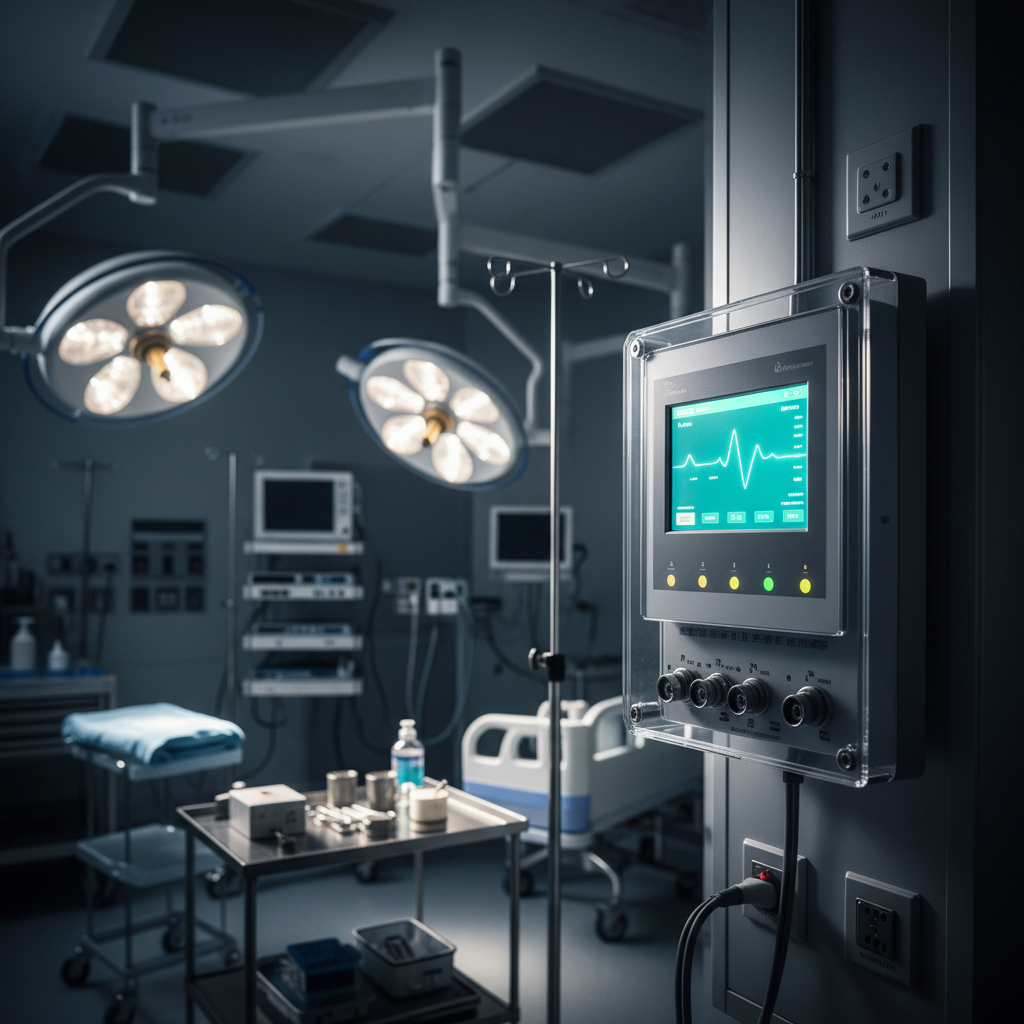
Line Isolation Monitors (LIMs) are the silent guardians of your facility's most critical areas, providing essential protection against electric shock in operating rooms and intensive care units. But these devices are only effective if they function correctly. For healthcare facilities in Baltimore, Maryland, regular, professional line isolation monitor inspection is not just a best practice, it's a requirement for NFPA 99 compliance and patient safety.
This comprehensive guide explains everything facility managers and biomedical engineers in the Baltimore area need to know about LIM testing. We will cover the NFPA 99 standards, the inspection process itself, the importance of using ASSE-certified technicians, and how to ensure your facility's isolated power systems are always ready and compliant. You'll gain a clear understanding of the technical requirements and the steps needed to protect your patients and staff.
What is a Line Isolation Monitor (LIM)?
A Line Isolation Monitor is a safety device required in "wet procedure locations" within healthcare facilities, as defined by NFPA 99, Health Care Facilities Code. These areas include most operating rooms, cardiac catheterization labs, and ICUs where liquids (like saline or bodily fluids) are present and could create a conductive path, increasing the risk of electric shock.
The LIM continuously monitors the integrity of the isolated power system. Its primary job is to measure the potential for current leakage from the isolated electrical conductors to ground. If this "total hazard current" (THC) reaches a predetermined threshold (typically 5 mA for modern systems), the LIM will trigger both an audible and a visual alarm, alerting staff to a potential fault before it can become a life-threatening macroshock or microshock hazard.
Why is LIM Inspection Mandatory for Baltimore Hospitals?
Regular inspection and testing of LIMs are mandated by NFPA 99 to ensure these critical safety devices are always operational. Unmonitored, a fault in an isolated power system could go undetected, creating a significant risk for both patients and staff during medical procedures. A failed LIM means your first line of defense against electrical shock is compromised.
For facilities in Baltimore and across the country, compliance isn't optional. It's a core component of patient safety protocols and is reviewed during regulatory audits by bodies like The Joint Commission (TJC) and the Centers for Medicare & Medicaid Services (CMS). Documented, periodic testing by a qualified provider like Medical Testing Solutions is essential for proving compliance.
Why This Matters for Compliance
According to NFPA 99-2021, Chapter 6, "Electrical Systems," Line Isolation Monitors must be tested and documented at specific intervals. Failure to comply can result in citations, potential loss of accreditation, and increased liability. Proper annual medical gas inspections that include LIM testing are your facility's proof of due diligence in maintaining a safe electrical environment.
The LIM Testing & Inspection Process
An ASSE 6030 Certified Medical Gas Verifier performs a series of tests to ensure the LIM functions according to NFPA 99 standards. While every inspection is tailored to the specific equipment and facility, the core process includes these crucial steps:
Visual Inspection: The technician checks the physical condition of the LIM panel, ensuring indicators and alarm lights are intact.
Self-Test Simulation: The technician activates the LIM’s internal "test" or "push-to-test" button. This simulates a fault condition to verify that the audible and visual alarms trigger correctly.
Alarm Threshold Test: Using specialized test equipment, the technician confirms the LIM alarms at the correct total hazard current threshold specified by NFPA 99. The alarm must activate when the fault current reaches 5 mA, but not before.
Meter Accuracy Verification: The technician verifies that the LIM’s meter accurately reflects the actual hazard current. The reading on the LIM is compared against the reading from calibrated test equipment.
Documentation: Every test is documented. The report includes the location of the LIM, the date of the test, the results, and the technician’s certification details. This documentation is critical for regulatory audits.
At Medical Testing Solutions, our technicians provide comprehensive reports that serve as a permanent record of your facility's compliance.
Understanding NFPA 99 LIM Testing Requirements
The NFPA 99, Health Care Facilities Code, is the primary standard governing LIMs. It outlines when and how they must be tested. Here are the key requirements facility managers must know:
NFPA 99, Chapter 6.3.3.3.2 Testing:
After Installation: LIMs must be tested upon completion of any new medical gas installation or modification to the electrical system.
Periodic Testing: LIMs must be tested and documented at regular intervals. For operating rooms, this is typically required at least annually or as determined by a facility's risk assessment.
This table breaks down the core testing requirements:
Test Frequency
NFPA 99 Requirement
Performed By
Purpose
After Installation/Modification
Chapter 6.3.3.3.2
ASSE 6030 Certified Verifier
To ensure the system is safe before being placed into service.
Periodically (e.g., Annually)
Chapter 6.3.4.1.4
Qualified Personnel (e.g., ASSE Certified)
To confirm ongoing functionality and compliance.
When In Use (by Staff)
Chapter 6.3.4.1.2
Clinical Staff
Staff should press the "test" button before procedures to ensure the LIM is on.
Choosing a Certified Provider for LIM Inspections in Baltimore, MD
Not just anyone is qualified to test and certify your facility's isolated power systems. NFPA 99 requires that inspections be performed by individuals who are knowledgeable and experienced. The gold standard in the industry is ASSE 6000 Series certification.
When selecting a partner for your line isolation monitor inspection in Baltimore MD, you should always verify that their technicians hold, at a minimum, an ASSE 6030 Medical Gas Verifier certification. This credential proves they have undergone extensive training and rigorous examination on the systems and codes involved, including NFPA 99.
Medical Testing Solutions is a nationwide leader in medical gas services, headquartered right here in Florida, with dispatch capabilities to serve the Baltimore metropolitan area. Our team consists of ASSE 6010, 6020, 6030, and 6040 certified professionals who can handle everything from routine Line Isolation Monitor testing to full system verification and maintenance. We provide the expertise and documentation you need to be confident in your compliance and safety.
Secure Your Compliance and Patient Safety Today
Don't wait for an audit to discover a gap in your facility's safety protocols. Ensure your operating rooms and critical care areas in Baltimore are protected with routine, professional Line Isolation Monitor inspections from certified experts.
Contact the team at Medical Testing Solutions today for a free consultation and to schedule your inspection. Our ASSE-certified technicians are ready to provide the peace of mind that comes with proven compliance.
A Line Isolation Monitor, or LIM, is a safety device that continuously monitors the isolated power systems found in hospital operating rooms and other wet procedure locations. It alerts staff to potentially hazardous electrical current leakage, helping to prevent electric shock.
NFPA 99 requires LIMs to be tested after installation or any system modification. Additionally, periodic testing is required at intervals defined by the healthcare facility's risk assessment, which is typically at least every 12 months. Clinical staff should also perform a "push-to-test" check before each use.
LIM inspections and certifications must be performed by qualified individuals who are thoroughly familiar with the systems and relevant codes. The industry standard is a technician holding an ASSE 6030 Medical Gas Verifier certification, as they possess the documented expertise to ensure proper testing and compliance.
If a LIM fails inspection, it indicates a problem with the device itself or a fault within the isolated power system. The issue must be investigated and repaired immediately by a qualified technician to ensure the area is safe for patient care. The room should not be used for wet procedures until the system is cleared.
Yes, any healthcare facility in Baltimore, MD, that has designated "wet procedure locations" as defined by NFPA 99 is required to have and maintain Line Isolation Monitors and their associated isolated power systems. This includes hospitals, ambulatory surgery centers, and other specialized clinics.
Request a quote for your facility
Talk with Medical Testing Solutions about your next inspection, repair or equipment request.