In the high-stakes environment of a modern hospital operating room, patient safety is paramount. While sterile instruments and skilled surgeons are front of mind, a less visible but equally critical safety component works silently in the background: the isolated power system. At the heart of this system is the Line Isolation Monitor (LIM), a device mandated by NFPA 99 for all "wet procedure locations." Regular, professional inspection of these LIMs is not just a best practice, it's a requirement for compliance and a foundational element of electrical safety. This guide explains the function of LIMs, details the NFPA 99 inspection requirements, and outlines how ASSE-certified technicians in Atlanta, GA, ensure these vital systems are functioning perfectly to protect both patients and staff.
Line Isolation Monitor Inspection in Atlanta GA: A Guide to NFPA 99 Compliance
What is a Line Isolation Monitor (LIM)?
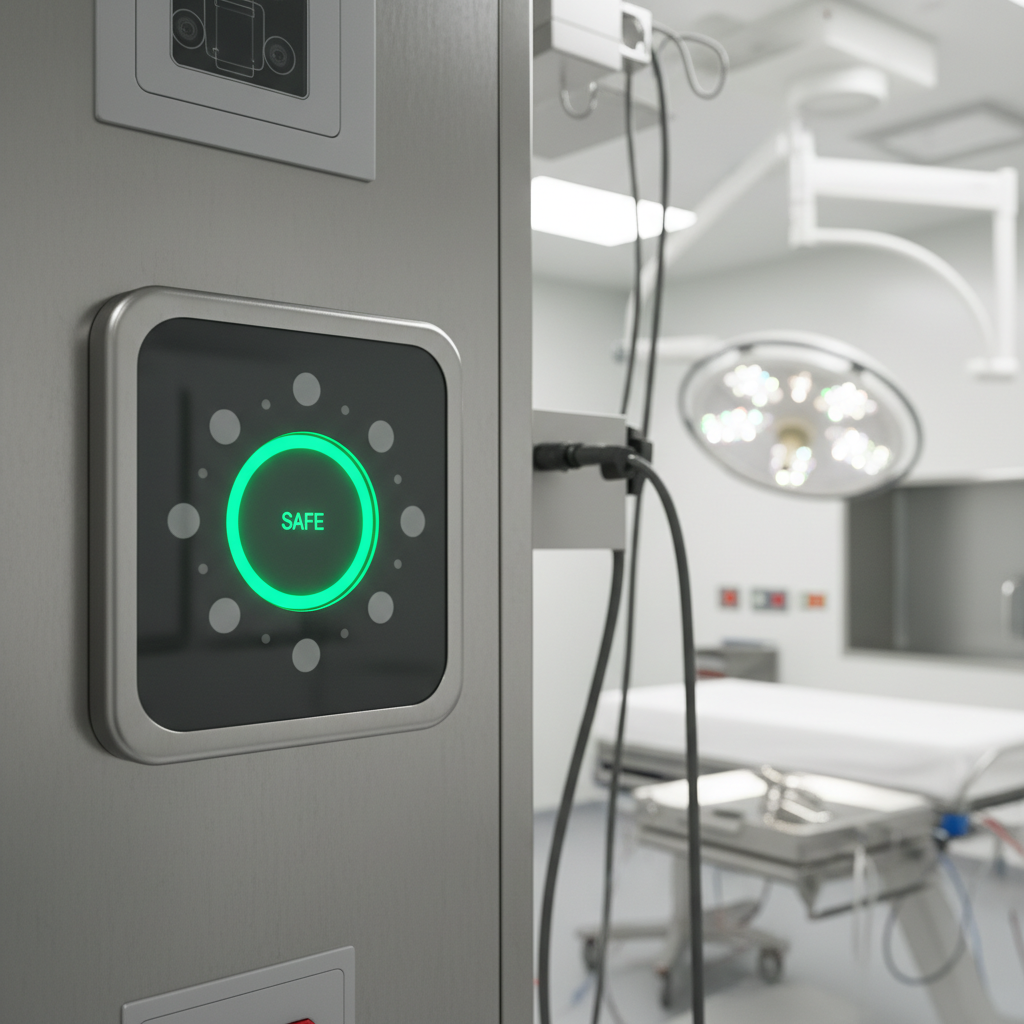
A Line Isolation Monitor, or LIM, is a safety device that continuously monitors the integrity of an Isolated Power System (IPS). These systems are required in hospital areas designated as "wet procedure locations," where the presence of liquids increases the risk of electric shock.
Isolated Power Systems vs. Standard Grounded Systems
In a typical commercial building, electrical systems are "grounded," meaning there's a direct connection from the neutral electrical conductor to the earth. If a fault occurs where an energized wire touches a metal casing, the high fault current flows to the ground, tripping a circuit breaker. In a medical setting, this abrupt loss of power to life-support equipment could be catastrophic.
An Isolated Power System, by contrast, is ungrounded. It uses a special isolation transformer to electrically separate the power supply from the building's ground. This means a first fault (an energized wire touching a grounded surface) will not cause a power outage or create a dangerous shock hazard. The LIM is the watchdog of this system.
The Role of the LIM
The LIM's job is to detect that "first fault." It continuously measures the leakage current (known as Total Hazard Current) from the isolated conductors to ground. If this current exceeds a specific, safe threshold, typically 5 milliamperes (mA) as stipulated by NFPA 99, the LIM will trigger an audible and visual alarm. This alarm doesn't cut the power; instead, it notifies clinical and facility staff that a potentially unsafe condition exists. This allows the procedure to conclude safely while alerting staff to find and correct the faulty piece of equipment before a second fault could create a genuine shock hazard.
NFPA 99 Requirements for LIM Inspection
The National Fire Protection Association's NFPA 99, Health Care Facilities Code, is the definitive standard governing the installation, performance, and maintenance of medical electrical systems. The code is explicit about the testing requirements for Line Isolation Monitors.
Why this matters for compliance: Failure to perform and document monthly and annual LIM tests is a direct violation of NFPA 99. This can lead to citations from accrediting bodies like The Joint Commission (TJC), CMS, or state health departments, potentially jeopardizing a facility's accreditation and reimbursement.
Testing Frequency and Documentation
NFPA 99 outlines two distinct testing frequencies:
- Monthly (by staff): Per NFPA 99, Chapter 6.3.3.3.2, LIMs must be tested at intervals not exceeding one month by activating the monitor's internal test button. This is a simple qualitative test to ensure the alarm indicators function. Clinical or biomedical staff typically perform and log this test.
- Annually (by qualified personnel): Per NFPA 99, Chapter 6.3.4.1.4, a more rigorous quantitative test must be performed by qualified personnel at least every 12 months or after any repairs or renovations. This is the service typically referred to as a "LIM Inspection."
Who is Qualified to Perform Inspections?
NFPA 99 requires that these annual inspections be conducted by "qualified personnel." The ASSE Series 6000 standards provide a clear definition of competency. Technicians holding an ASSE 6030 Medical Gas Systems Verifier or ASSE 6040 Medical Gas Systems Maintenance Personnel certification possess the necessary training on healthcare electrical systems, codes, and testing procedures. Using a certified technician from a reputable company like Medical Testing Solutions ensures the inspection is done correctly, with calibrated equipment, and in full compliance with the code.
The Annual Line Isolation Monitor Inspection Process
A professional, ASSE-certified LIM inspection is far more in-depth than the monthly push-to-test check. It is a quantitative assessment of the system's performance and safety, providing the detailed records needed for accreditation.
Here are the steps our technicians take during an annual medical gas inspection:
- Visual Inspection: The technician checks the LIM panel for any physical damage, ensures all labels are clear and correct, and verifies it is securely mounted.
- Self-Test Verification: The inspector confirms that the panel's internal "push-to-test" or "test" button correctly activates both the audible and visual alarms.
- Quantitative Alarm Test: This is the most critical step. Using specialized test equipment, the technician simulates leakage currents on the isolated circuit to verify that the LIM alarms at the precise mA threshold required by NFPA 99 (e.g., 5.0 mA for operating rooms).
- Meter Accuracy Verification: The technician checks the accuracy of the LIM's onboard mA meter against the calibrated test instrument to ensure it is providing reliable readings.
- Circuit Identification & Documentation: The inspector confirms the LIM is monitoring the correct electrical panel and associated receptacles. All findings, including "as-found" and "as-left" readings, alarm setpoints, and the pass/fail status for each device, are meticulously recorded in a formal report for the hospital's compliance records.
Common Causes of LIM Alarms and Failures
When a LIM alarms, it's doing its job by flagging a problem. Common culprits include:
- Faulty Medical Equipment: Devices with aging power cords, failing internal components, or fluid contamination can produce excessive leakage currents.
- Damaged Wiring or Outlets: Physical damage to outlets or the conduit system can compromise the circuit's isolation.
- Incorrect Installation: Improper wiring during construction is a frequent source of issues. This makes post-construction testing and medical gas verification essential for any new or renovated space.
- Component Failure: The LIM itself is an electronic device. Over time, its internal components can degrade, leading to false alarms or a failure to alarm, necessitating replacement.
Comparing LIM Technologies and Manufacturers
Several manufacturers produce high-quality Line Isolation Monitors. While all approved devices must meet UL 1022 and NFPA 99 standards, there are differences in features and technology. Understanding these can help facilities during specification and replacement.
| Manufacturer | Sample Model | Key Features | Primary Compliance |
|---|---|---|---|
| Bender | LIM2010 | Digital display, network monitoring capabilities (BMS integration), records event history | NFPA 99, UL 1022 |
| Schneider Electric | Type S | Digital display, available in various configurations, self-testing and self-calibrating | NFPA 99, UL 1022 |
| Post Glover (PG LifeLink) | Mark V | Digital display, microprocessor-based for high accuracy, remote monitoring options | NFPA 99, UL 1022 |
| B-X Sentinel | Analog or digital displays, basic and reliable functionality | NFPA 99, UL 1022 |
Why Choose a Certified Provider for LIM Testing in Atlanta?
For a hospital in Atlanta, GA, selecting the right partner for LIM inspections is a critical decision. The choice directly impacts safety, compliance, and operational efficiency.
- Expertise and Equipment: An ASSE-certified technician brings specialized knowledge of complex electrical systems and NFPA codes. They use calibrated, non-disruptive test equipment for accurate results, a core service of our line isolation monitor testing program.
- Compliance Assurance: A professional third-party service from Medical Testing Solutions provides the objective, detailed documentation that auditors from The Joint Commission, DNV, and CMS demand.
- Safety and Reliability: The ultimate goal is to protect patients and staff from the risk of electric shock. Professional testing provides confidence that your isolated power systems are performing as designed.
- Nationwide Coverage, Local Focus: Medical Testing Solutions is a nationwide company with a strong presence in the Atlanta area. We provide consistent, reliable service that allows your internal facilities and biomed teams to focus on their core responsibilities, knowing this critical compliance task is in expert hands.
Ensure Compliance and Safety with Expert LIM Inspections
Line Isolation Monitors are a non-negotiable safety requirement in your most critical patient care areas. Ensuring they are tested accurately and annually is fundamental to your facility's risk management and compliance strategy. Don't leave safety to chance.
For expert Line Isolation Monitor inspection in Atlanta, GA, and across the country, trust the ASSE-certified team at Medical Testing Solutions. We provide the expertise, documentation, and peace of mind you need.
Contact us today to request a quote or to schedule your annual inspection. Call us at +1 (754) 315-1078. '''
Frequently Asked Questions
Request a quote for your facility
Talk with Medical Testing Solutions about your next inspection, repair or equipment request.