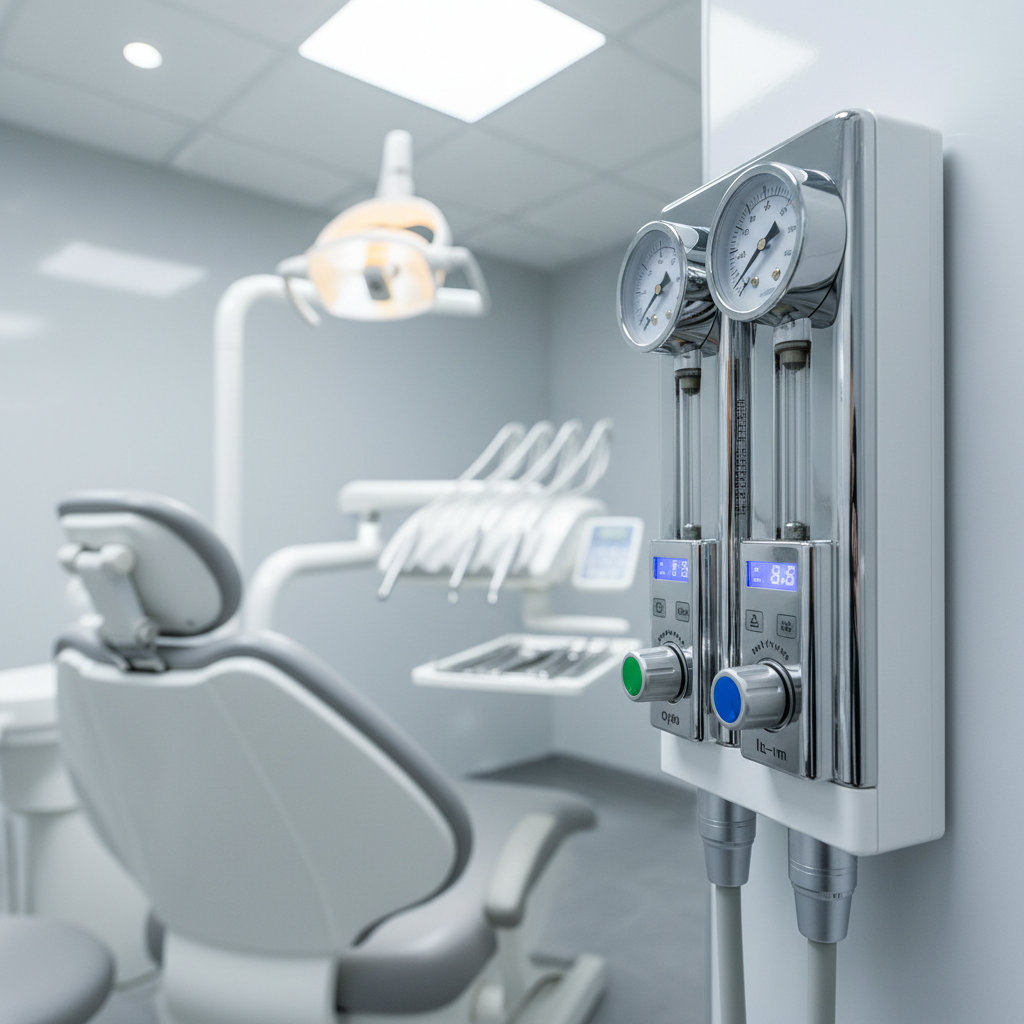
Dental Office Nitrous Oxide Installation in Richmond, VA: A Complete Guide for Practitioners
Installing a nitrous oxide and oxygen (N2O/O2) system in a new or renovated dental practice is a significant undertaking. When done correctly, it provides a safe and effective conscious sedation option for patients, enhancing comfort and enabling more comprehensive care. However, the process is governed by stringent codes and standards to protect patients and staff. This guide details the critical steps for a compliant dental office nitrous oxide installation in Richmond, VA, from initial design to final verification, ensuring your system is safe, reliable, and ready for service.
You will learn the key components of a dental sedation system, the importance of NFPA 99 and ASSE 6000 series standards, the step-by-step installation process, and the critical role of independent, third-party verification.
Understanding the Core Components of a Dental N2O/O2 System
A dental nitrous oxide system is more than just the flowmeter in the operatory. It's a complete, integrated medical gas system with several key components working together. Understanding these parts is the first step in planning your installation.
- Source Equipment (Manifold): This is the heart of your system. For N2O and O2, this typically consists of a manifold that manages the connection of high-pressure cylinders. An automatic changeover manifold is crucial for uninterrupted supply, automatically switching from the primary bank of cylinders to the secondary bank when pressure drops.
- Medical Gas Piping: Special-grade, cleaned, and capped copper tubing (ASTM B819) is used to transport the gases from the source manifold to the operatories. Pipe sizing is critical to ensure adequate flow and pressure to all locations.
- Zone Valve Boxes: These allow for the isolation of specific areas or "zones" within the dental office for maintenance or emergencies without shutting down the entire facility.
- Alarm Panels: Master and area alarm panels are the safety backbone. They continuously monitor gas pressure and system status, providing audible and visual alerts for conditions like high/low pressure, or when a cylinder bank changeover occurs, as required by NFPA 99.
- Operatory Equipment: This includes the wall outlets (e.g., DISS, quick-connects), hoses, and the sedation machine itself, often called a dental flowmeter. Brands like Porter, Belmed, Accutron, and Matrx are common.
- Scavenging System: A critical safety component, the scavenging system actively removes exhaled nitrous oxide from the operatory environment to protect staff from chronic exposure. This requires a dedicated vacuum source and a specialized breathing circuit.
Code Compliance: The Non-Negotiable Foundation (NFPA 99 & ASSE 6000)
Compliance with national and local codes is not optional. For medical gas systems, including dental N2O/O2, the primary standard is the National Fire Protection Association (NFPA) 99, Health Care Facilities Code. Additionally, the American Society of Sanitary Engineering (ASSE) 6000 series provides the certification standards for personnel who install, inspect, and maintain these systems.
Key NFPA 99 Requirements for Dental Offices:
| NFPA 99 Requirement | Description | Why It Matters |
|---|---|---|
| Category 2 System | Dental offices are typically classified as Category 2 facilities. This dictates the specific requirements for system design, components, and alarm systems. | Ensures a baseline level of safety appropriate for non-hospital settings where sedation is used. |
| Piping Material | Requires the use of seamless Type K or L (ASTM B819) copper tubing, hard-drawn for exposed locations and annealed for concealed ones. | Prevents contamination and ensures the structural integrity of the gas distribution network. |
| Brazing Procedures | All joints in copper tubing must be brazed, not soldered. Brazing must be performed with a nitrogen purge to prevent oxidation inside the pipe. | Prevents the formation of toxic copper oxides that can flake off and harm patients or damage equipment. |
| Alarm Systems | Master and area alarms are required to monitor gas line pressure and provide immediate alerts for critical system changes. | Provides immediate warning of system malfunctions that could compromise patient safety. |
Why this matters for compliance: Failure to adhere to NFPA 99 can result in failed inspections, costly rework, project delays, and most importantly, significant safety risks. Local authorities in Richmond and the state of Virginia adopt NFPA codes, making them legally enforceable. Partnering with a firm like Medical Testing Solutions, whose technicians are ASSE 6010 certified, ensures your installation is performed correctly from the start.